Canadian password management software company 1Password's zero-exposure architecture enables Claude to securely log into websites
en.Wedoany.com Reported - Canadian password management software company 1Password has released a browser integration feature that allows Anthropic's artificial intelligence assistant Claude to use stored credentials to complete tasks on web pages, without the passwords reaching the AI model.
This feature is called "zero-exposure architecture": When Claude needs to log in, 1Password displays to the user which credential is being requested and why, then waits for biometric approval before injecting the login information directly into the page. Claude never sees the vault entries, passwords, or one-time verification codes, and access is terminated once the task is completed. This integration addresses a fundamental contradiction in agentic AI. Browser-based agents like Claude can browse websites, fill out forms, and complete purchases, but when encountering login pages, users typically have to hand over passwords or perform the operation themselves. 1Password states that this is the first browser integration that allows an agent to use credentials without granting it direct access to them.
After autofill, 1Password checks whether the credentials are exposed on the page. If submission fails, the extension clears the filled values before returning control to Claude. Throughout the process, credentials remain encrypted and are controlled by 1Password. This release also introduces "Agentic Mode," a feature of the 1Password browser extension that automatically locks the vault when a compatible AI agent takes over. The agent can only use login information and one-time verification codes explicitly approved for the current task, with the rest of the vault remaining inaccessible. Agentic Mode activates even without the 1Password-Claude integration configured and supports agents other than Claude.
The timing of the release is noteworthy, as security researchers recently demonstrated how prompt injection attacks can trick AI browsers into leaking user credentials, affecting Anthropic's own Claude extension. In a company announcement, 1Password Chief Technology Officer Nancy Wang stated that the answer is not to hand secrets over to the agent, but to allow users to authorize the agent to use credentials without the agent seeing them. She described this distinction as the foundation of trust for AI agents.
1Password for Claude is now available for business, family, and personal plans on Mac, requiring the 1Password desktop app, browser extension, Claude desktop app, and Claude browser extension. The company recently acquired Israeli startup Apono to manage AI agent access permissions in enterprise systems and plans to add support for payment cards and identity details after the release.
CNET password manager expert Joe Supan stated that he would typically be very cautious about granting AI agents access to a password manager, but 1Password has set up good safeguards, especially the biometric authentication for each login. This integration marks the first time a major password manager has built a dedicated secure channel for AI agents to use credentials at runtime without exposing them to the model context. Whether this approach can withstand the prompt injection attacks that have already compromised AI browsers remains to be seen.
Related Products



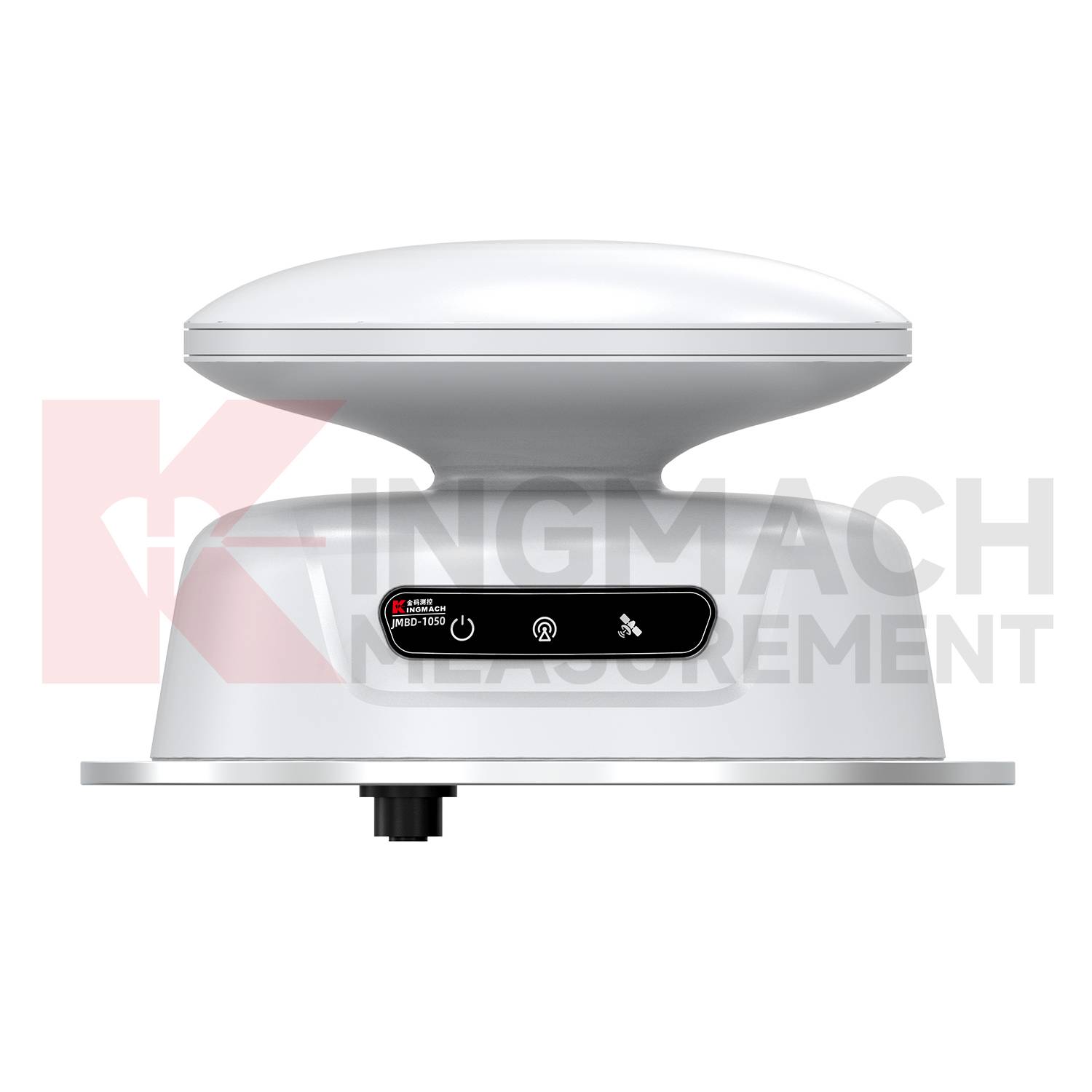


JiuTian OneSky Pilot—Intelligent Management And Service Platform
China Times Prospect Science & Technology Co., Ltd.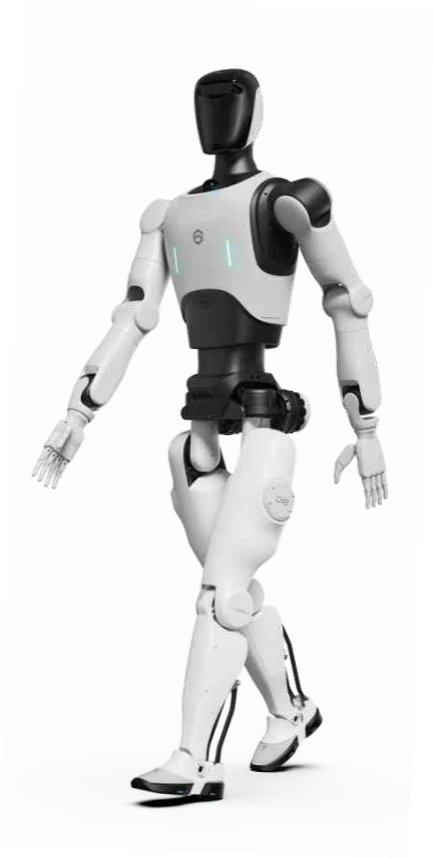
D12 Humanoid Robot
Automation Research Institute Co., Ltd. of China South Industries Group Corporation
Conveyor Belt Intelligent Monitoring System
LUO YANG WIRE ROPE INSPECTION TECHNOLOGY CO., LTD.

Hot Selling 10 Inch Intel N5100 I5 I7 FHD 8 +128GB 16+256GB Win10 Pro Win11 Pro 4G 5G Rugged Tablet PC Pad with NFC Barcode
Highton Electronics Co., Ltd.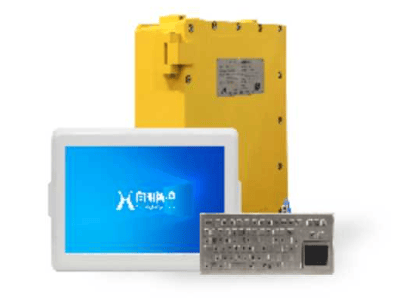
KJD127(A) Mining Explosion-Proof and Intrinsically Safe Computer
Taiyuan Xiangming Intelligent Control Technology Co., Ltd.