Mexico's CFE Plans 339MW Solar Plant at Coal Plant Site with 8.47 Billion Pesos Investment
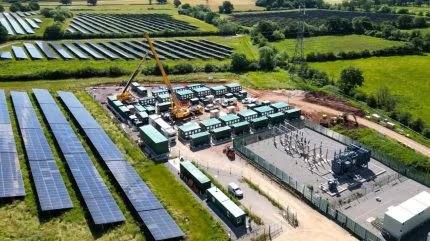
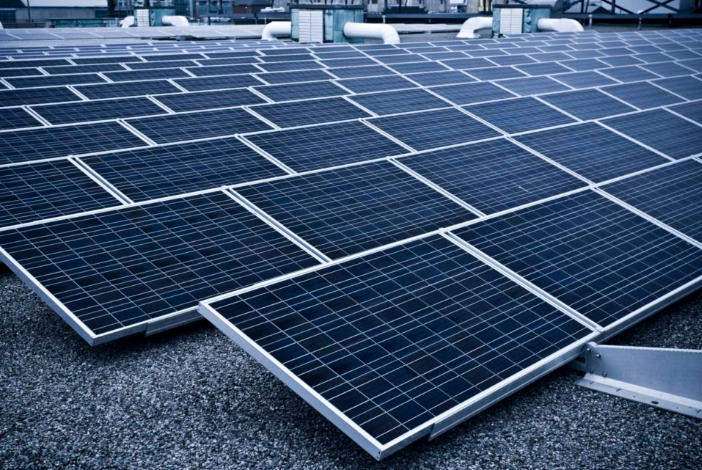
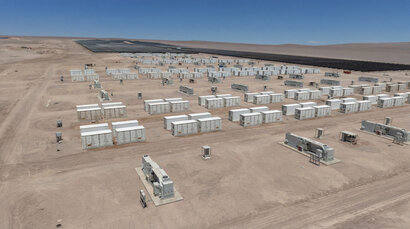
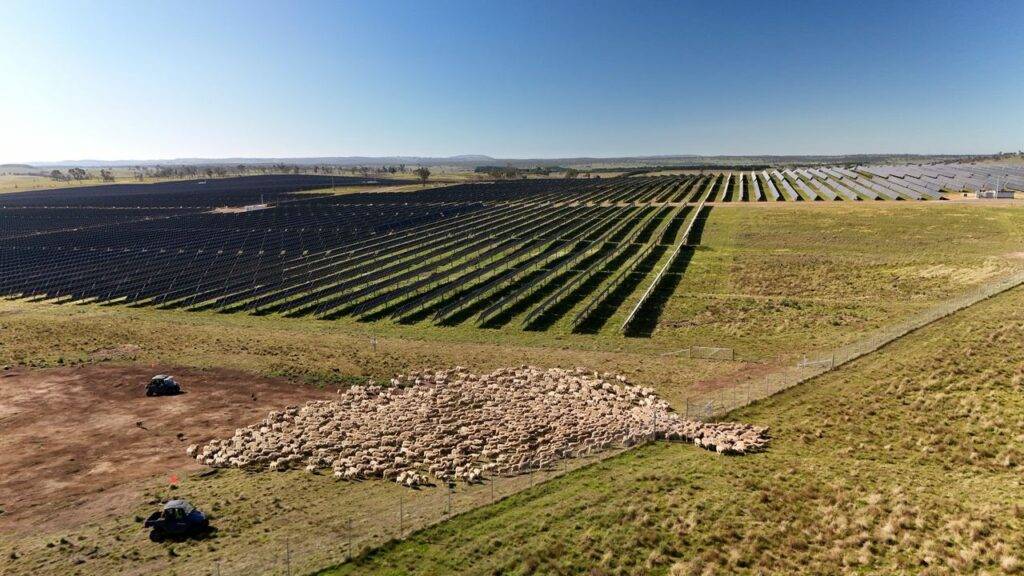
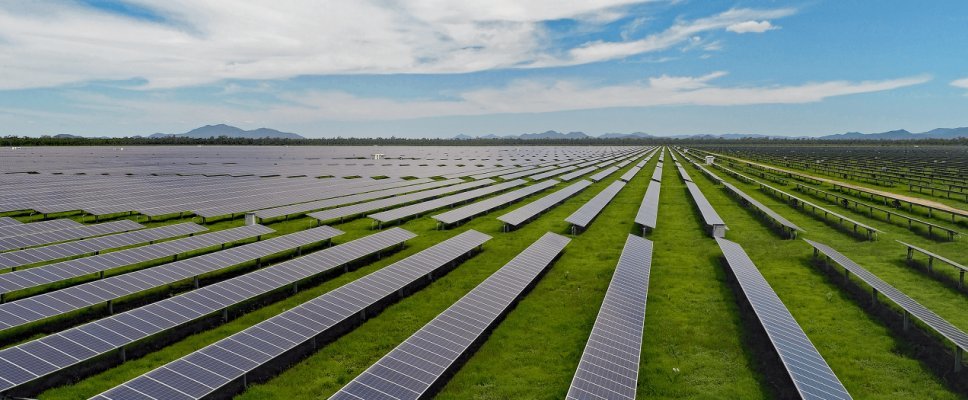
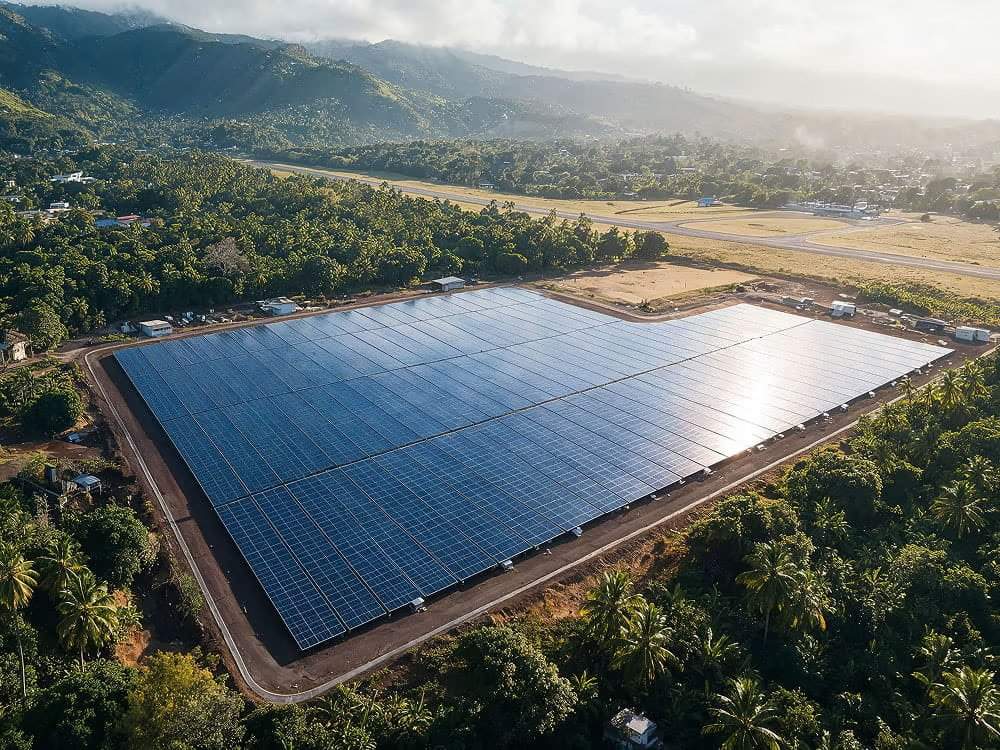
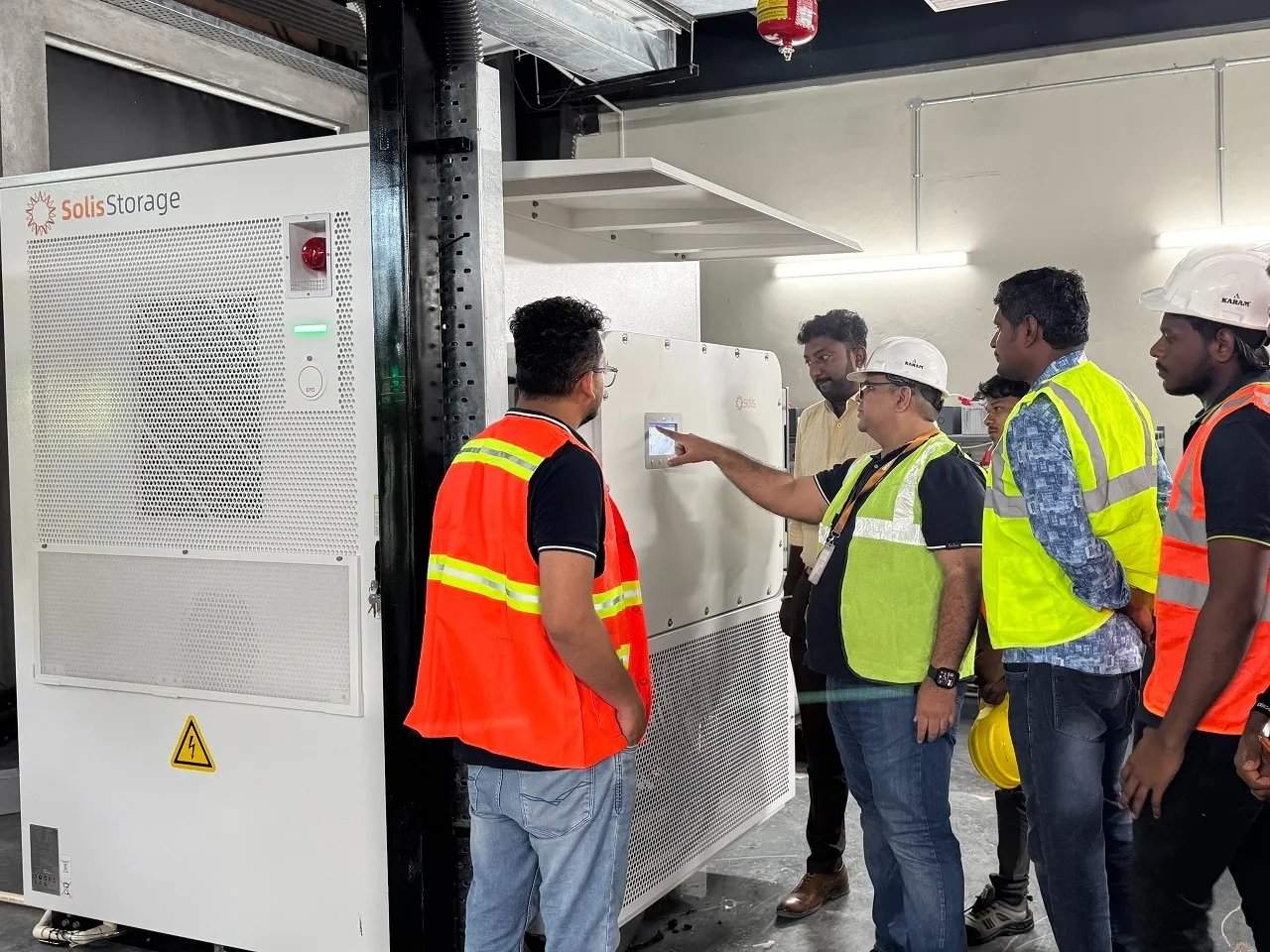
en.Wedoany.com Reported - Mexico's Federal Electricity Commission (CFE) has submitted an environmental impact assessment for the third phase of the Concepción Mendizábal Mendoza solar photovoltaic plant to the Ministry of Environment and Natural Resources (SEMARNAT), planning to add 339MWac of solar generation capacity at the Carbón II thermoelectric complex site in Nava, Coahuila. This site is Latin America's largest coal-fired power plant, with an estimated project investment of 8.47 billion Mexican pesos and a designed commercial operation period of at least 25 years. The project will install over 643,000 solar panels, 55 battery energy storage containers, single-axis horizontal trackers, and a new 400kV overhead transmission line, with an environmental plan allocating 196 million Mexican pesos for ecological mitigation, biodiversity conservation, and reforestation in the surrounding areas.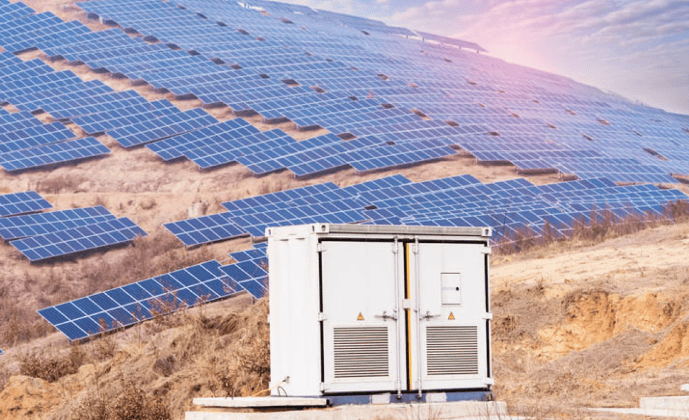
The third-phase submission is the latest component of CFE's expanding solar project at the Carbón II site. In January 2026, CFE had already submitted the Carbón II solar project for environmental review, which includes 761,964 crystalline silicon modules, a transmission line, and the expansion of the Carbón II substation, covering a total area of 576.65 hectares. CFE stated that solar projects in Coahuila state represent a combined investment of over 15 billion Mexican pesos, involving two solar plants—the Carbón II plant and the independent 180 MW Río Escondido plant—bringing a total of 556 MW capacity to the state. The Carbón II complex is expected to include energy storage components equivalent to 30% of its generation capacity. The third-phase document includes 339 MWac and 55 BESS containers, appearing to be the latest stage of the broader Concepción Mendizábal complex, which has been under development in regulatory filings from 2025 to 2026. CFE's national expansion plan has listed "CFV Concepción Mendizabal, Phases I and II / 576 MW" under project categories in technical specifications and bidding stages, with the third-phase application adding 339 MW with integrated storage and new high-voltage transmission connections.
The Carbón II plant, operated by CFE since 1993, is one of Latin America's largest coal-fired power stations, with four 350 MW generating units totaling 1,400 MW capacity. Mexico's 15-year energy development plan for 2018-2032 requires all four units to be decommissioned by 2029, removing 1,400 MW of coal-fired power from the national energy mix, making Carbón II the only coal-fired plant in the country with a specific closure date. The transition from coal-fired generation to solar power at the same physical site represents a typical just transition scenario, leveraging existing grid interconnection infrastructure, land already used for industrial purposes, and the workforce and regional economy dependent on coal mining. CFE Director General Calleja Alor stated that these plants will not replace existing generation but will complement and enhance system stability, positioning the Coahuila solar projects as a supplement to the national grid rather than a mandatory replacement. In April 2026, producers in Coahuila's coal-producing region began receiving notifications from CFE regarding formalized coal supply contracts covering the 2026-2030 period, guaranteeing coal supply to the Carbón II and José López Portillo plants through the end of this decade.
The 55 battery energy storage containers specified in the third-phase document address grid stability requirements embedded in CFE's guidelines for all recent solar projects and hybrid development schemes, with storage components providing at least 30% of generation capacity for a minimum of three hours. Based on 339 MWac generation, this equates to approximately 100 MW of storage, consistent with the disclosed number of BESS containers. The complex powers the industrial corridor of Coahuila state, which the Chihuahua state government stated in early July was operating at the limits of its power reliability. The photovoltaic-plus-storage installation at Carbón II can be dispatched during evening peak demand periods, helping to alleviate grid pressure that caused power outages in the region during the 2026 summer demand season.
Coahuila state is accelerating solar projects from CFE and renewable energy sources, positioning itself as a key entity in the national energy transition. In addition to the Concepción Mendizábal and Río Escondido projects, the state is evaluating the restart of wind farms and maintaining existing coal supply relationships with CFE's coal-fired units. Specifically for the Carbón II community, the solar project represents a transition managed through orderly contracts rather than abrupt closures. This approach carries its own risks—a decade of parallel coal and solar operations will keep carbon emissions and subsidy costs high during the overlap period—but avoids the economic shock of immediate plant closures in areas where mining employment is concentrated and alternative solutions take years to materialize. The third-phase environmental mitigation plan includes 196 million Mexican pesos for biodiversity conservation and reforestation, indicating that SEMARNAT's review process will apply the same environmental responsibility standards to CFE's own solar project portfolio as to private sector energy projects.
Related Products

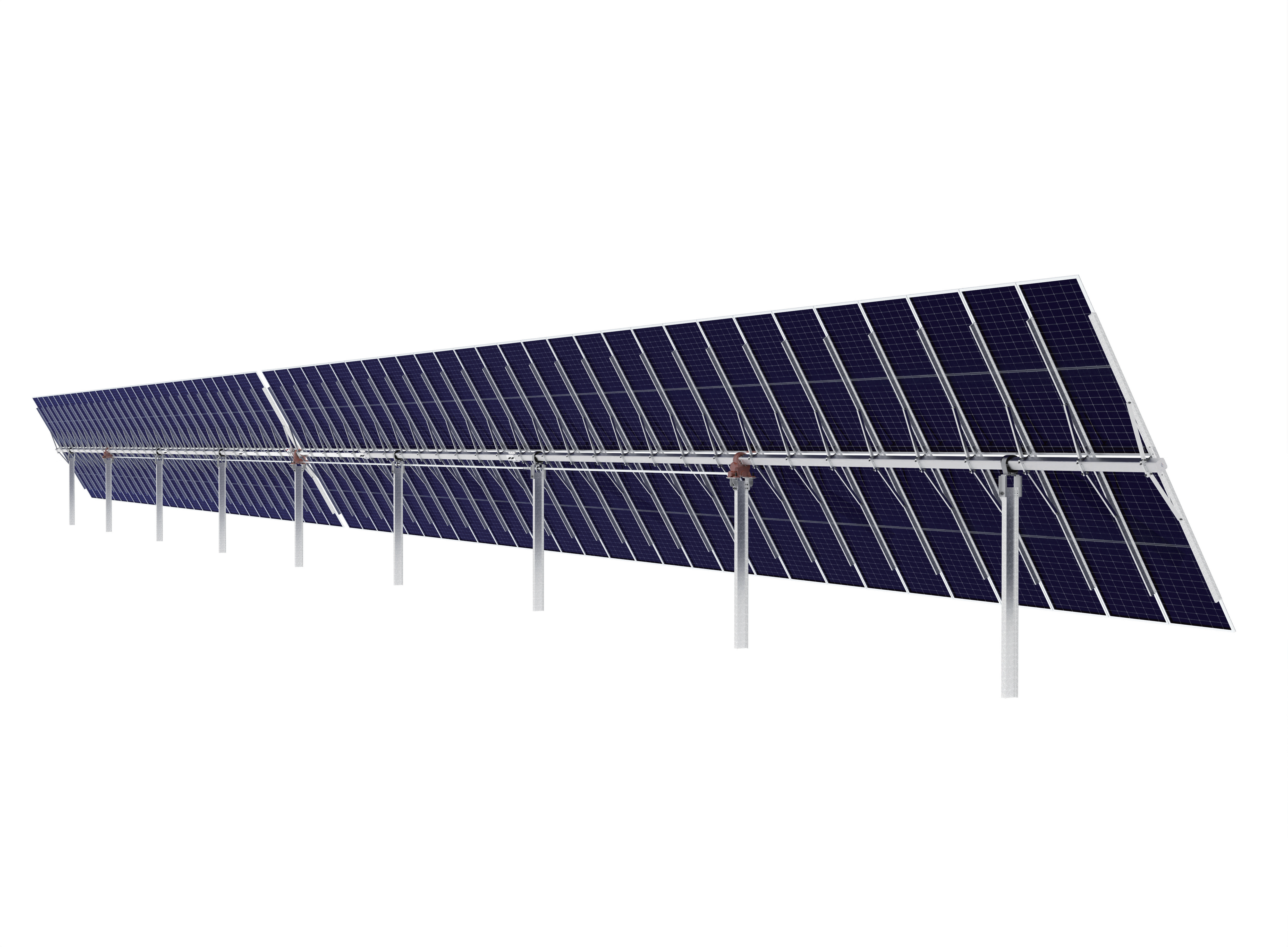
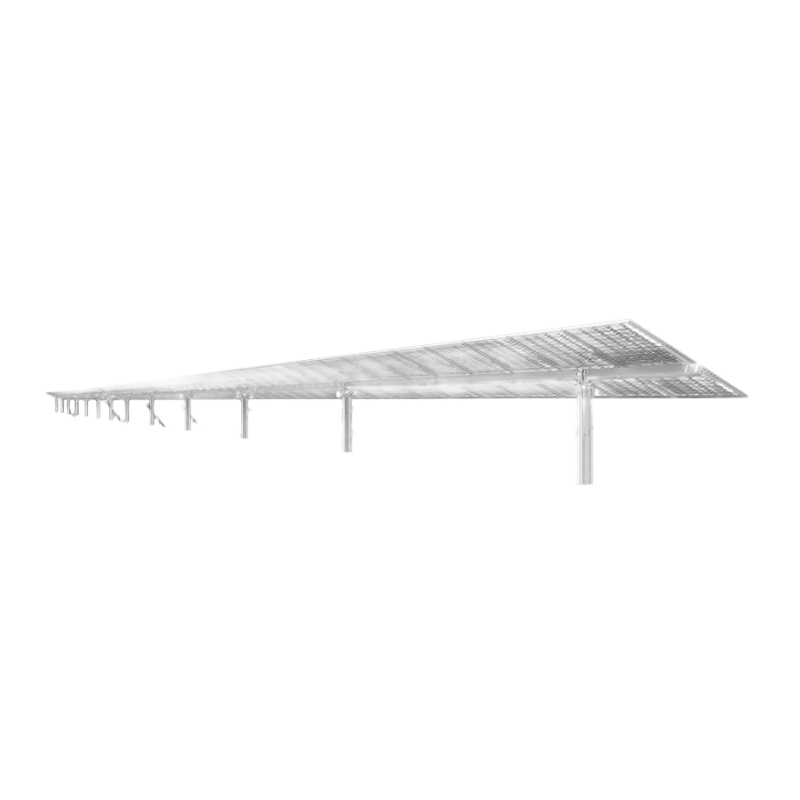
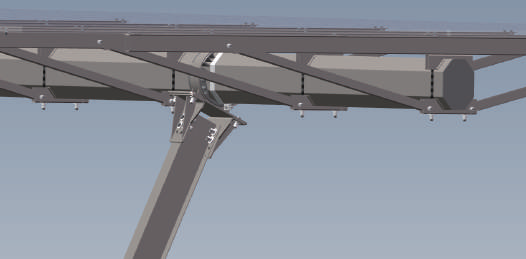
TAI Slew-drive Single-axis Independent 1P Tracking Bracket System
ANTAI TECHNOLOGY CO., LTD.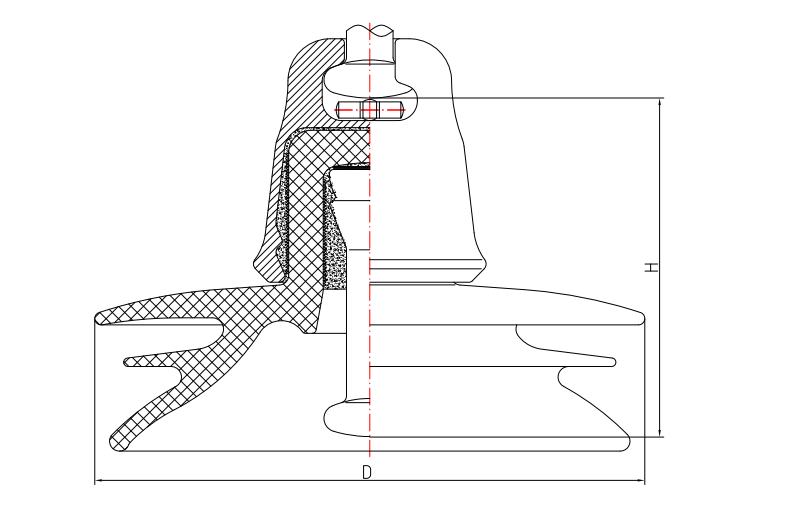
Post-type AC Pollution-resistant Disc Suspension Porcelain Insulator (Triple Umbrella Type)
Shandong High Voltage Insulator Co., Ltd.
Electromagnetic Fluid Seawater Floating Oil Separation and Recover Equipment
Huate Magnet Group Co., Ltd.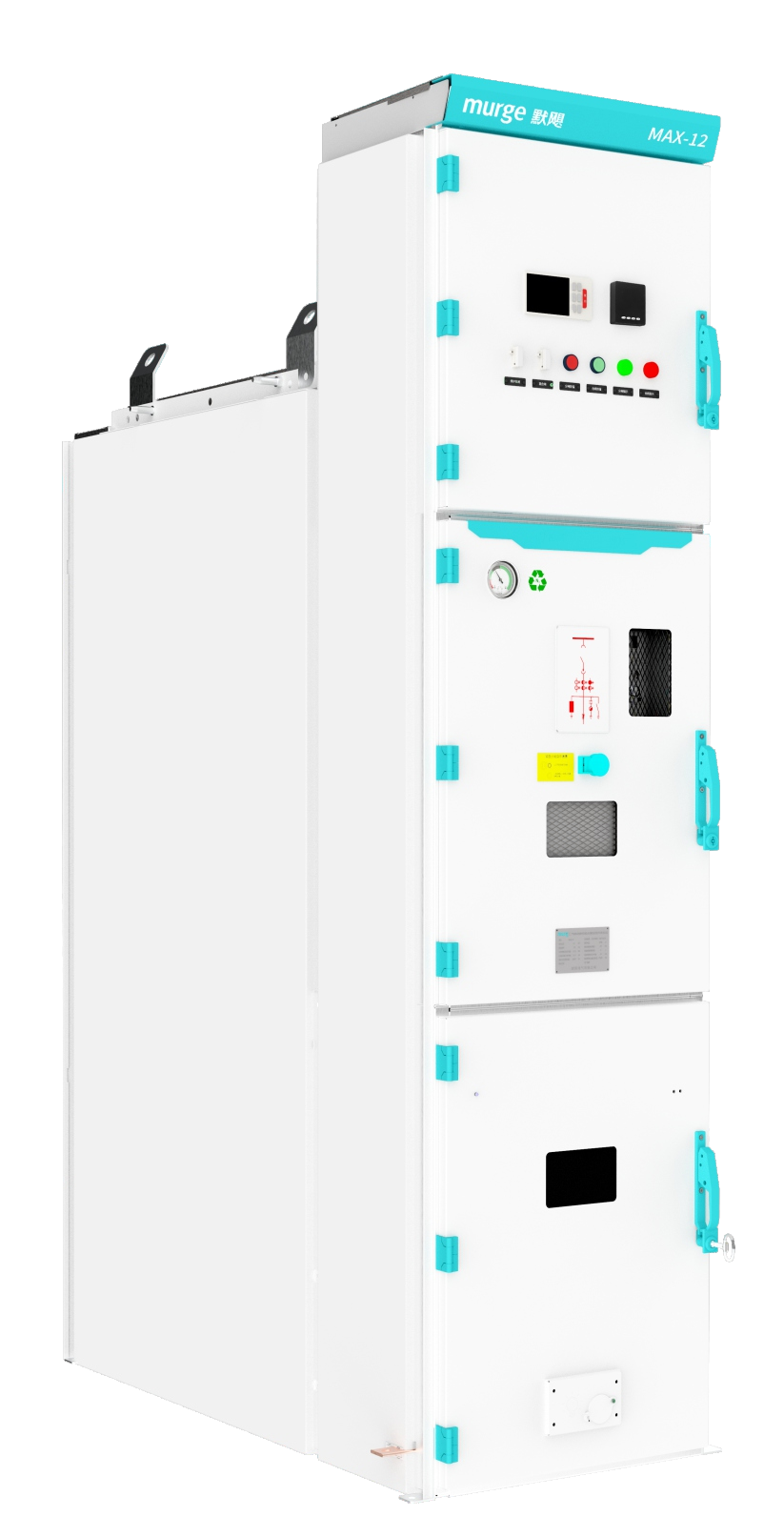
MAX-12 series Environmental Protection/SF6 gas insulated switchgear (C-GIS)
Murge Electric Co.,Ltd.