Spanish Nuclear Safety Council Approves Extension of Almaraz Nuclear Power Plant Until 2030
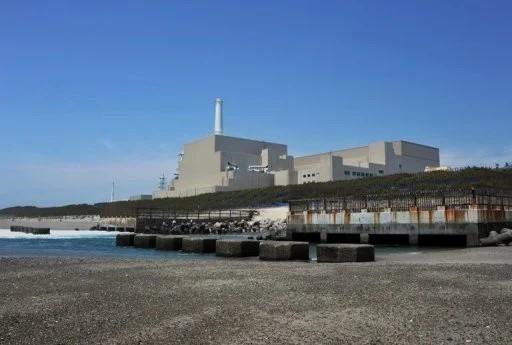
en.Wedoany.com Reported - The plenary session of the Spanish Nuclear Safety Council (CSN) has approved a favorable report on the extension of the operating authorization for the Almaraz nuclear power plant until June 8, 2030. The application was submitted last November by the plant's owners, Iberdrola, Endesa, and Naturgy.
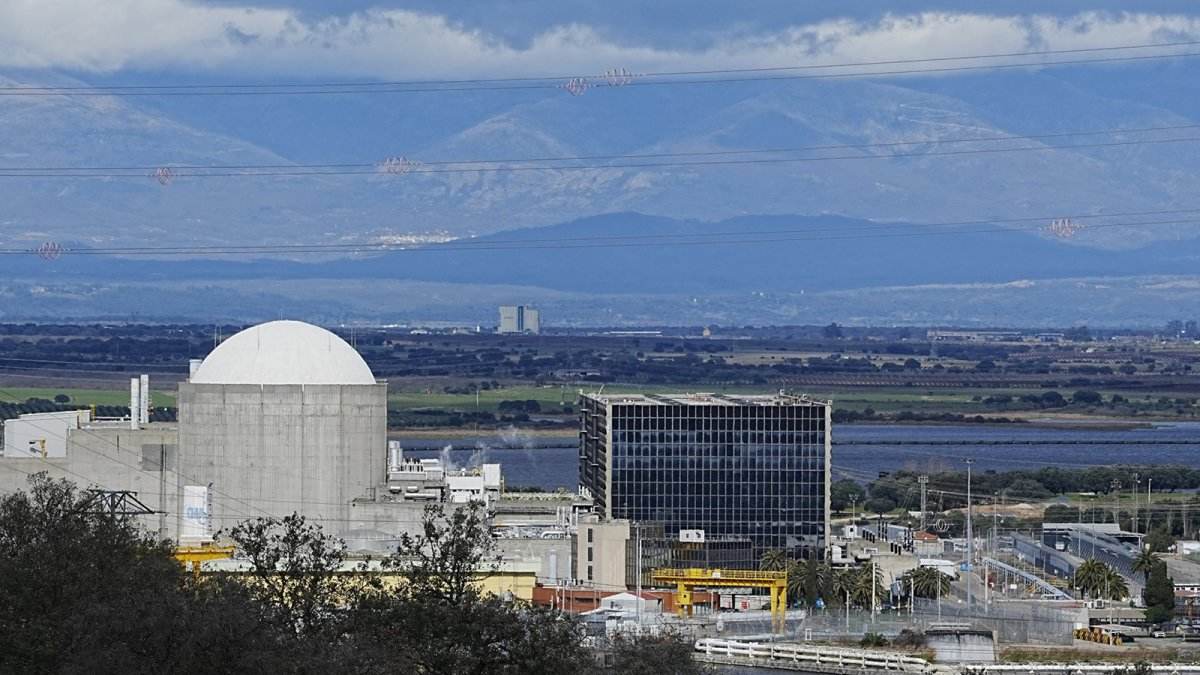
The CSN plenary session gave the green light for the continued operation of the plant from the perspective of nuclear safety and radiological protection, without imposing additional investments beyond those already considered in the previous operating authorization. Sources from the Nuclear Safety Council confirmed that the plenary session approved the favorable report but cautioned that the final authorization is the responsibility of the Ministry for Ecological Transition and the Demographic Challenge (MITECO), which will analyze the complete dossier before making a decision and, if appropriate, approve a new ministerial order to formalize the extension.
This report approved by the CSN is strictly limited to its technical competence in safety matters, with the political decision now resting with the government. The authorization of the extension would imply modifying the current closure schedule, i.e., repealing the ministerial order that established the phased shutdown of the two reactors. The plenary session, composed of President Juan Carlos Lentijo, Vice President Pilar Lucio, and members Javier Dies, Francisco Castejón, and Silvia Calzón, supported the favorable technical report.
The extension application was submitted by Iberdrola, Endesa, and Naturgy, aiming to extend the operation of the two reactors until June 2030. The current schedule stipulates the closure of Reactor 1 on November 1, 2027, and Reactor 2 on October 31, 2028. Iberdrola, which holds a 53% stake in the facility, and Endesa, with a 36% stake, initially advocated for a ten-year extension, while Naturgy, holding the remaining 11%, supported a more limited extension. As this is a joint property, decisions among the owners must be unanimous.
This request implies a modification of the closure schedule agreed upon in 2019 between the owners of Spanish nuclear power plants and Enresa, which set a phased closure of all plants between 2027 and 2035. This agreement is not binding, and the companies retain the possibility of applying for license renewals within the legal deadlines.
The CSN's approval was widely expected, as the body's technical authorizations are typically granted for ten-year periods, and the plant has held a license since 2020, demonstrating that it meets the necessary safety conditions for operation within that timeframe.
The progress of the extension process has also been accompanied by a debate on the taxes borne by the nuclear power plant. Iberdrola and Endesa had requested a reduction in certain taxes, particularly the tax on spent nuclear fuel approved in 2013. The two companies ultimately dropped this demand because the government opposed it, considering this modification a red line. Prime Minister Pedro Sánchez has repeatedly emphasized in recent months that any decision to extend the life of nuclear plants must meet three non-negotiable conditions: full guarantee of nuclear safety, maintenance of electricity supply, and no additional costs for citizens. The decision now to be made by the ministry will also set a precedent for future renewal applications for other plants in Spain.
Related Products



714CD Series C-Band Weather Radar
Chengdu Zhongdian Jinjiang Information Industry Co., Ltd.
IGBT Hydrogen Production Power Supply - High Power Air Cooling
Beijing Zhengzhuo Engineering Technology Co., Ltd.
Oil-immersed Amorphous Alloy Core Distribution Transformer
Pinggao Group Smart Electric Co., Ltd.
Prefabricated Houses and Electrical Energy Boxes
Chengdu Ruilong Machinery Manufacturing Co., Ltd.
Environmentally Friendly Flame-retardant PVC Double-layer Insulated Wire
Sichuan Chndo Cable Co., Ltd.