Brazil's Eve Prototype Resumes Flight, Pushes Toward Transition Phase
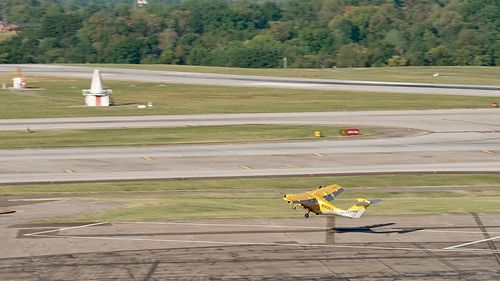
en.Wedoany.com Reported - Brazilian electric vertical takeoff and landing (eVTOL) aircraft manufacturer Eve's engineering prototype has resumed flight after a three-month grounding for maintenance, primarily in preparation for the critical transition flights expected later this year.
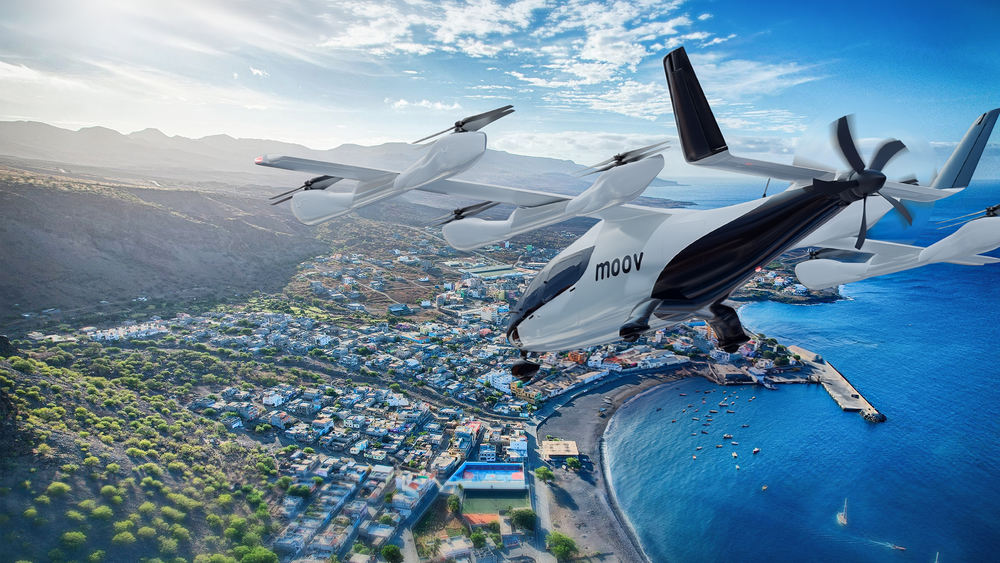
Eve CEO Johann Bordais said the July 18 return to flight marked the prototype's 60th flight, with more missions to follow in the coming days. Under the plan, by the end of the Farnborough Airshow, Eve will achieve the first flight of this unmanned aircraft with the propulsion propeller activated. The propulsion propeller engages at approximately 25 knots (46 km/h). Bordais said: "By the end of this week, we will start the propulsion propeller, and then gradually expand the flight envelope." During this testing phase, the prototype will accelerate to 50 knots and push toward the 90-knot threshold for transition flight, at which point the electric lift motors will be shut down. He added: "We are making steady progress and delivering on our commitments."
During the grounding, Eve updated the aircraft's flight control software and reinforced the airframe to handle potential additional vibrations from the propulsion propeller. However, the prototype has not yet been fitted with the folding mechanism for the lift propeller blades that will be used on the Eve 100 production aircraft. Bordais said the company is "still analyzing" the final design of the system.
Later this year, Eve will begin building the first of six conformity prototypes, targeting certification by the end of 2028, with these prototypes delivered approximately every 45 days. Bordais said he is "very satisfied" with the project's progress since becoming CEO three years ago.
Eve will build the first conformity prototypes at Embraer's main assembly plant in São José dos Campos. Mass production is planned at a new factory in nearby Taubaté, currently a warehouse owned by Embraer, expected to become operational in 2028. Chief Commercial Officer Megha Bhatia said that during the initial production ramp-up phase, the factory could produce up to 120 Eve 100 units per year. Through a "modular approach," capacity will increase in increments of 120 units, up to a maximum of 480 units per year. Bordais said: "At that point, we will have to consider building a second factory."
To date, Eve has accumulated approximately 2,700 commitment orders for eVTOL aircraft. Ahead of the Farnborough Airshow, it signed letters of intent with operator Moov for up to 30 aircraft and leasing company Shearwater Global Capital for up to 16 aircraft. Bhatia acknowledged that out of the total 2,700 orders, only 12 are firm orders with deposits: 10 from Brazilian launch customer Revo and 2 from Japan's AirX, both part of larger 50-aircraft orders. She said interest in converting conditional orders into firm orders is growing as the project matures, adding: "We are now starting to build real momentum, so it's time to start converting these orders."
Eve expects to receive certification for the Eve 100 from Brazil's National Civil Aviation Agency (ANAC) in 2028, along with validation from the U.S. Federal Aviation Administration (FAA). Bordais said approval from the European Union Aviation Safety Agency (EASA) may follow approximately 12 to 18 months later, with its application submitted last week. ANAC has now published proposed noise certification standards for the Eve 100, primarily based on the FAA's existing Part 36 noise regulations, particularly those related to tiltrotor aircraft, with public comments open until August 8.
Related Products


Wheel and Track Technology Business
Beijing Research & Design Institute of Rubber Industry Co., Ltd.
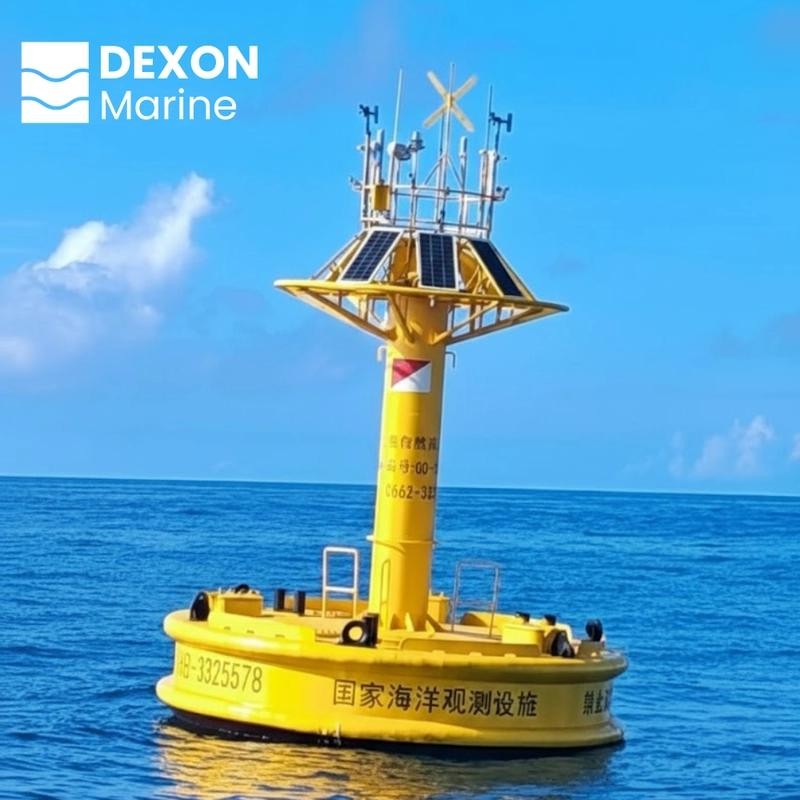
3m intelligent buoy combining navigation safety and real-time marine monitoring integrated navigation and marine monitoring system for real-time maritime data
Chengdu Dixin Technology Co., Ltd.
ERW Welded Pipe (Black Pipe and Hot-dip Galvanized Steel Pipe)
Handan Zhengda Steel Pipe Co., Ltd.