Overseas EV Infrastructure Requires Scenario Matching and Local Operation
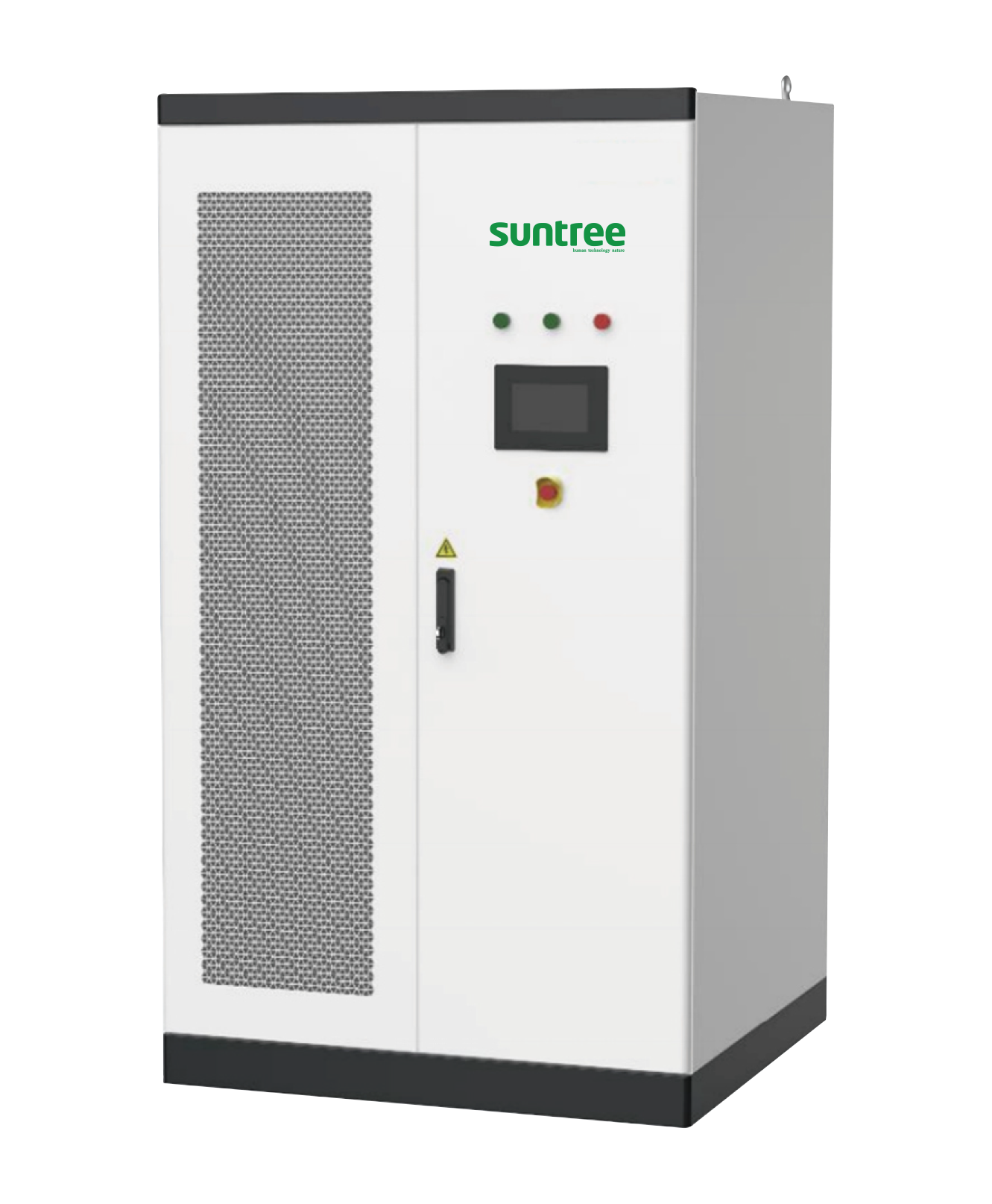
en.Wedoany.com Reported - The rapid development of global electric mobility is increasing overseas demand for Charging and Battery Swapping Equipment. Compared with simply exporting chargers, overseas projects need sustainable energy replenishment networks designed around local vehicle types, grid conditions, payment systems, land resources, electricity prices and user behavior.
For equipment suppliers, international competition is not only about hardware price. It depends on scenario understanding, standards adaptation and local service capability. Regional requirements differ widely. Europe and North America often emphasize charging standards, safety certification, payment interoperability, public charging experience, maintenance reliability and network openness. Southeast Asia, Latin America, the Middle East and parts of Africa are still in earlier stages of EV adoption and infrastructure deployment, where customers may focus more on construction cost, site adaptability, grid capacity and maintenance.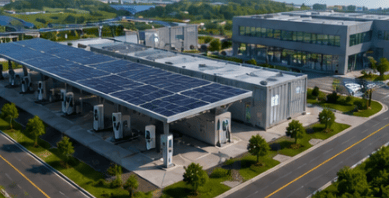
Fleet scenarios create additional requirements. Bus operators, logistics companies, mines, ports and industrial parks care about vehicle dispatch, charging windows, equipment durability and operating cost. A charging solution for private passenger cars may not be suitable for heavy-duty trucks or port equipment.
Standards adaptation is the first barrier. Different countries may use different charging connectors, communication protocols, metering rules, safety certifications and grid connection requirements. If equipment cannot meet local regulations and vehicle compatibility requirements, strong hardware performance alone will not support large-scale deployment.
Battery swapping faces even more complex issues, including vehicle platform compatibility, battery standards, asset ownership models and safety responsibility boundaries. Grid coordination is another key challenge. In some emerging markets, grid capacity is limited, and fast-charging stations may create local load pressure. Operators need to consider distribution upgrades, storage systems, time-of-use tariffs, solar integration and station energy management.
In the future, overseas business will move from selling chargers to delivering energy replenishment networks. Companies with charging equipment, swapping equipment, storage systems, energy management platforms, payment settlement, remote operation and localized service will be better positioned in high-quality international projects. As transport electrification continues, charging and swapping equipment will remain a long-term growth segment in urban mobility, logistics and industrial fleet transformation.