Battery Swapping Is Gaining Value in High-Utilization Fleet Scenarios
en.Wedoany.com Reported - As electric vehicles expand from private cars to fleet vehicles, heavy trucks, engineering machinery and closed-area operations, battery swapping is receiving renewed market attention. Compared with charging, the main advantage of swapping is shorter energy replenishment time. Vehicles do not need to occupy charging spaces for long periods.
For taxis, ride-hailing vehicles, buses, port tractors, mining trucks, long-haul logistics trucks and urban delivery fleets, shorter downtime can directly improve operating efficiency. A swapping station, however, is not a simple system that removes and installs batteries manually. It is a highly automated mechanical, electrical and battery management system.
A complete swapping system usually includes vehicle positioning, automatic lifting or side-swap mechanisms, battery locking devices, battery storage, charging racks, battery inspection, thermal management, fire protection, data platforms and safety interlocks. The equipment must complete identification, positioning, unlocking, removal, transfer, installation, verification and settlement within a short time.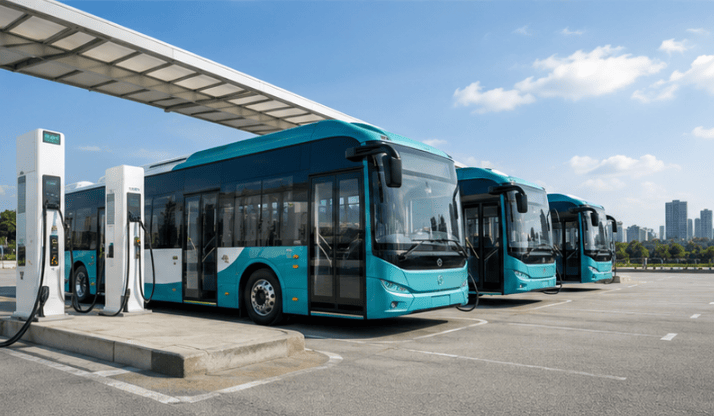
The first challenge is standardization. Different vehicle brands, models, battery pack sizes and interface designs create complexity. Without common standards, swapping stations are difficult to scale. Passenger car swapping requires compatible chassis structure, battery design and vehicle recognition. Heavy-duty truck swapping focuses more on large battery lifting safety, mechanical strength, swapping speed and station footprint.
The second key issue is battery asset management. In a swapping model, batteries are no longer fully tied to one vehicle. They become dispatchable assets. Operators need to manage battery health, cycle count, charging strategy, temperature, remaining life and safety risk. Centralized charging and inspection can help control battery lifetime, but they also require stronger data systems and asset management capability.
In the future, battery swapping is more likely to show advantages in high-frequency, fixed-route and centrally managed scenarios rather than replacing all charging models. Charging and swapping will coexist. Private passenger cars will rely more on home charging and public fast charging, while operating vehicles and heavy-duty vehicles may choose swapping where efficiency and cost justify it. For equipment suppliers, competitiveness will depend on mechanical reliability, battery safety, platform compatibility and operational data capability.
Related Products
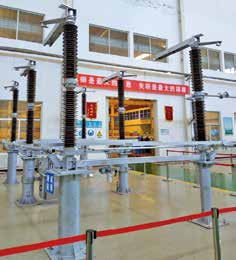

GW4-40.5/72.5/126/145/170/252/363/420 Series Double-column Horizontal Rotary High-voltage AC Disconnect Switch
SHANDONG TAIKAI DISCONNECTORS CO., LTD.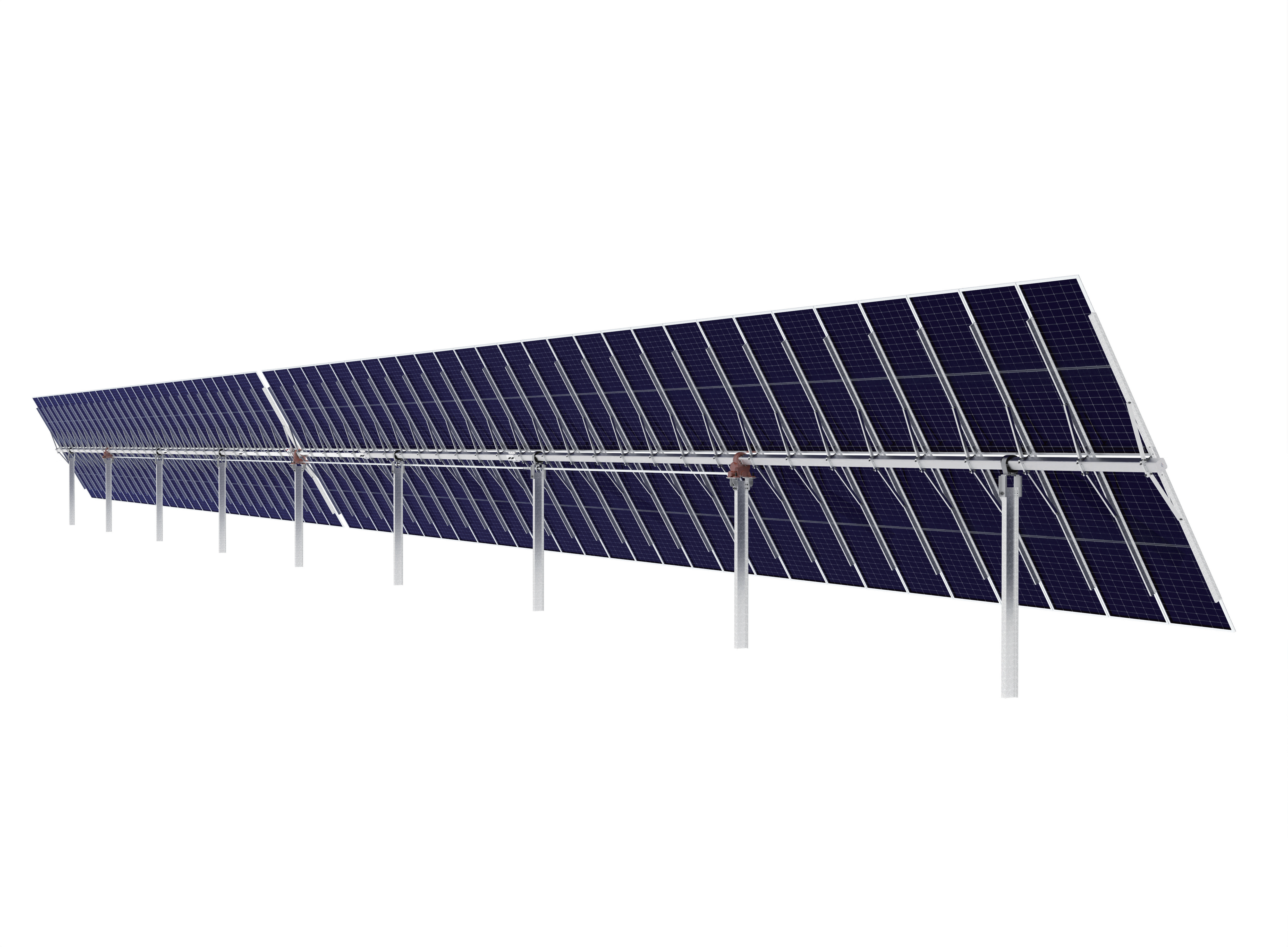
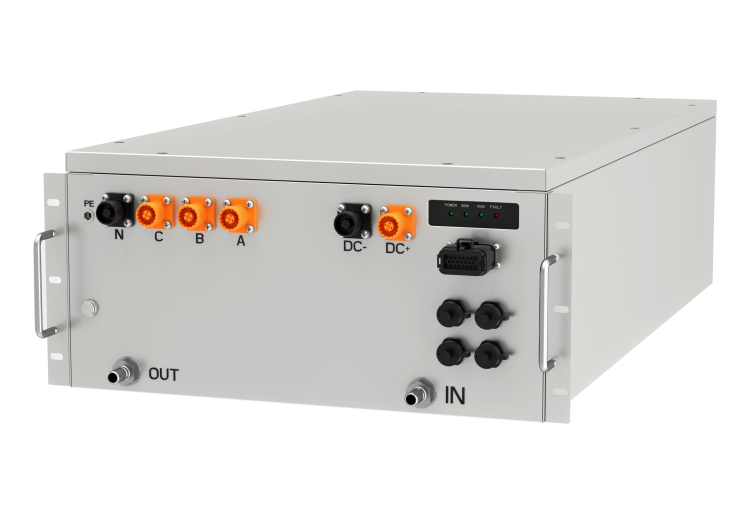
Mars (Liquid Cooling) Series Industrial and Commercial Energy Storage Converter High Protection Module
Shenzhen Winline Technology Co., Ltd.
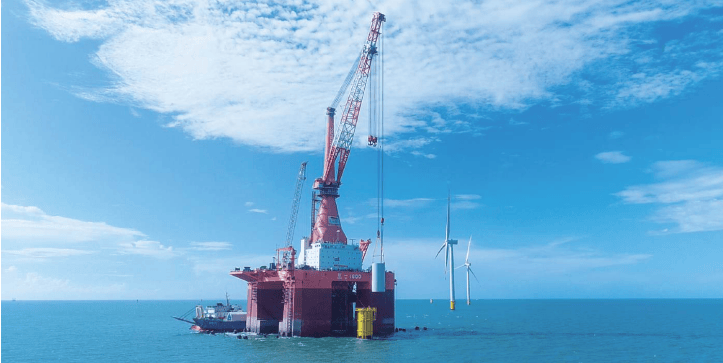
"Shunyi 1600" Deep-submerging Bottom-sitting Multi-functional Wind Power Engineering Vessel
Zhengli Offshore Engineering Co., Ltd.
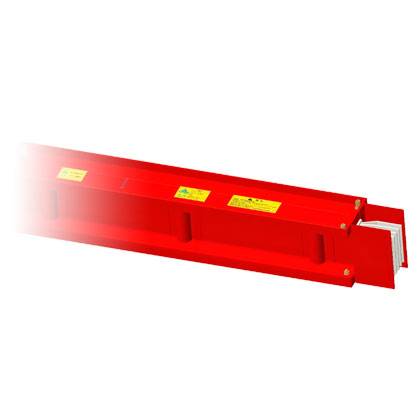
Mineral-insulated Compact Busway (Fire-resistant Busduct)
Zhuhai Guangle Electric Busway Co., Ltd.
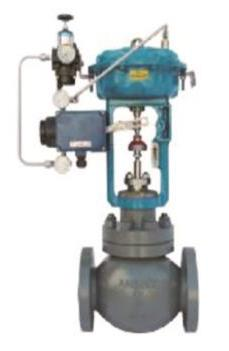
Quick-Change Single-Seat Control Valve / Quick-Change High-Pressure Single-Seat Control Valve
Beijing Consen Automation Technology Co., Ltd.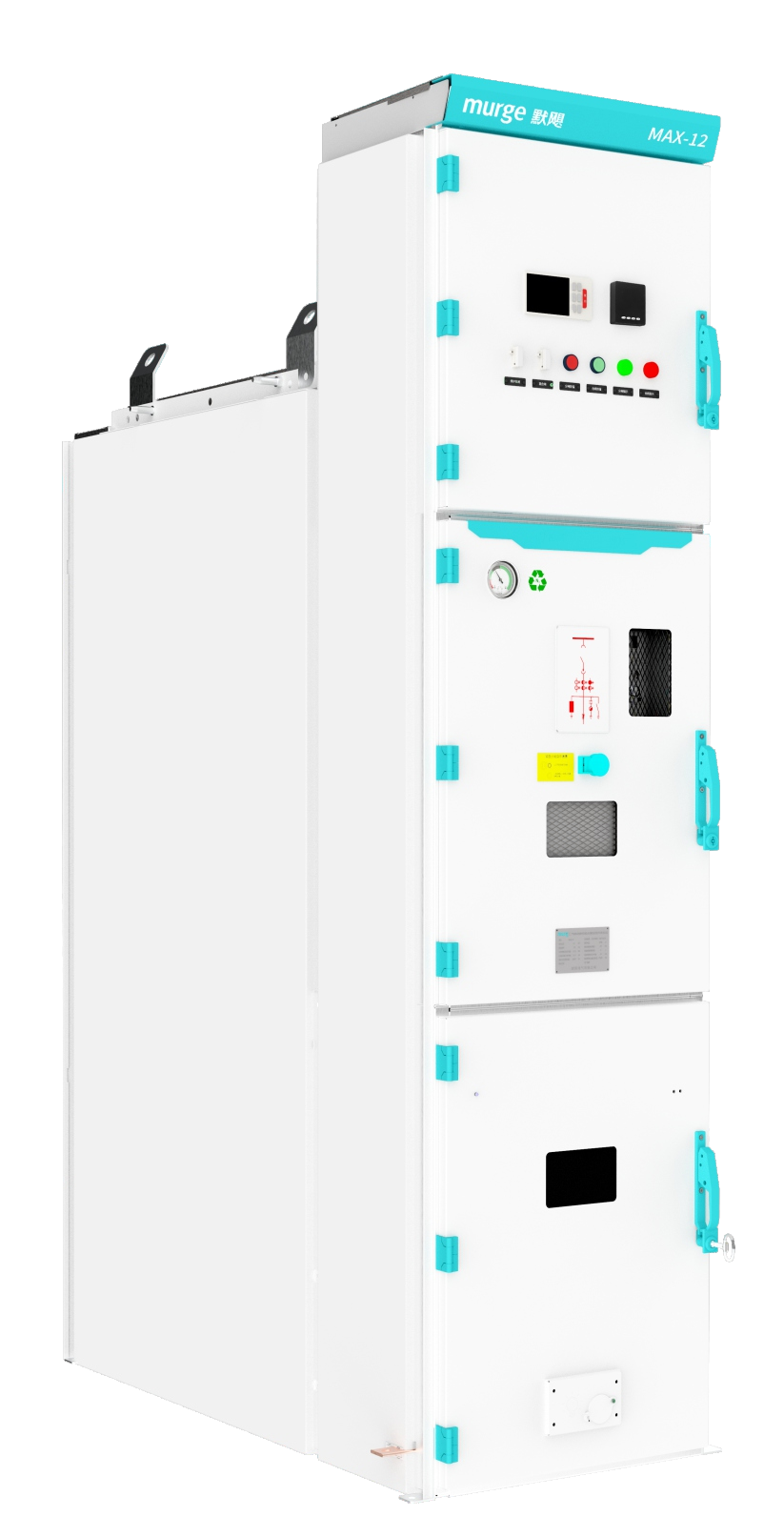
MAX-12 series Environmental Protection/SF6 gas insulated switchgear (C-GIS)
Murge Electric Co.,Ltd.