Wedoany.com Report-May 23, U.S. crude oil storage demand has increased significantly in recent weeks, reaching levels not seen since the COVID-19 pandemic, according to data from storage broker The Tank Tiger. This rise in demand comes as market participants prepare for a potential increase in oil supply from the Organization of the Petroleum Exporting Countries and its allies (OPEC+).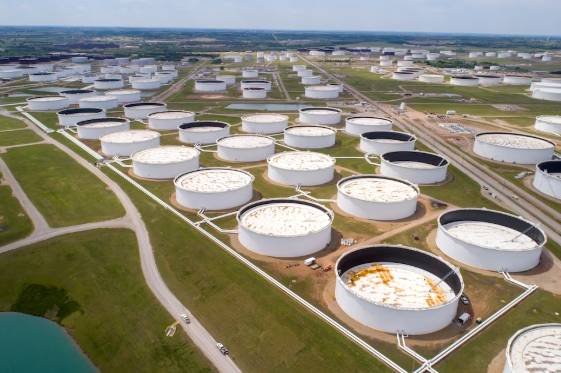
Crude oil storage tanks are seen in an aerial photograph at the Cushing oil hub in Cushing, Oklahoma, U.S. April 21, 2020.
OPEC+ recently agreed to accelerate oil production increases for a second consecutive month in June. The group is considering a similar step in July, which could result in up to 2.2 million barrels per day of additional supply returning to the market by November, according to information.
One of the goals of the OPEC+ production increase is to regain market share from U.S. producers. In recent years, U.S. oil output has reached record levels, particularly during periods when OPEC+ was limiting production.
Concerns over the expected rise in OPEC+ supply, combined with broader economic uncertainties, have contributed to a decline in oil prices. Brent crude futures fell last month to a four-year low of $58.40 per barrel. This decline has encouraged traders to store oil in anticipation of higher prices in the future.
Steven Barsamian, Chief Operating Officer at The Tank Tiger, stated: "We have not seen this kind of an uptick in crude storage demand since the COVID-19 pandemic." He added that demand for storage on the platform nearly doubled from May to June, reaching around 3 million barrels. Inquiries for storage facilities have been recorded across major U.S. trading hubs, including the Midwest and the Gulf Coast.
While new storage requests for June have slowed slightly due to signs of progress in U.S. trade discussions, many traders have shifted their focus to securing storage for later months. Barsamian noted that his team is currently handling a request for storage in January at the Cushing, Oklahoma hub, which he described as an unusually long lead time: "It shows how negative the market sentiment is if we are even getting a request that far out."
Supporting this trend, U.S. crude inventories have increased unexpectedly over the past two weeks and now total approximately 443.2 million barrels. This marks the highest level since July 2024, based on data from the U.S. Energy Information Administration.
The current market environment reflects a cautious outlook among traders, with many preparing for continued volatility amid shifting global supply dynamics and economic factors.