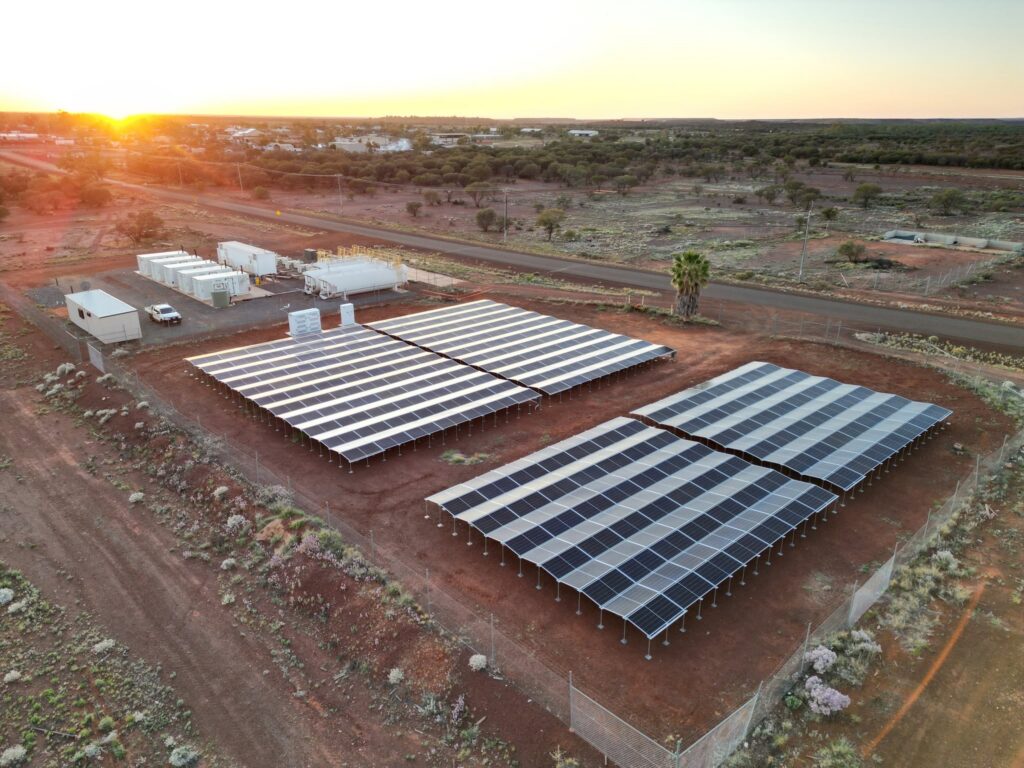
en.Wedoany.com Reported - The Maine Department of Energy Resources (DOER) has submitted a 360-megawatt battery energy storage system (BESS) procurement plan to the state's Public Utilities Commission (PUC), marking the state's first competitive energy storage procurement.
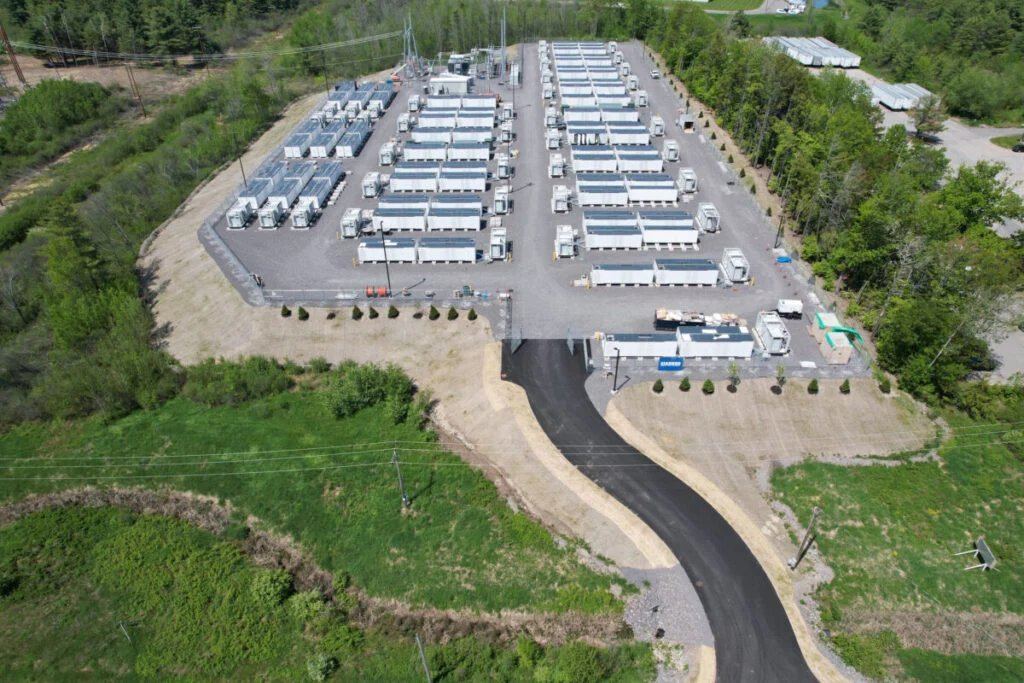
DOER submitted the 360 MW BESS procurement plan to the PUC for review on July 20. The department developed this procurement plan for the first time under its authority after Governor Janet Mills established a cabinet-level department to lead energy policy and planning. Under state law, the PUC must review and approve the proposed request for proposals (RFP) before energy storage project proposals can be submitted.
This procurement aims to advance Maine's goal of deploying 400 MW of energy storage by 2030. The 400 MW target represents approximately 20% of the state's peak demand in 2021, which is ambitious relative to its demand scale. DOER developed the RFP through a public process, including releasing a draft RFP for public comment. State law requires DOER to select only energy storage projects that can reduce electricity costs for Maine ratepayers, while also evaluating local economic and workforce benefits, environmental impacts, and safety factors. The proposal has now entered the statutory PUC review process, with the commission having up to 120 days to assess whether the RFP complies with state law before DOER can formally issue the RFP.
At the end of December 2024, the Maine Legislature directed the Governor's Energy Office (GEO) to submit recommendations to the commission for procuring up to 200 MW of energy storage to advance the 400 MW target. In May 2025, the PUC initiated a public inquiry and solicited comments to support the procurement of 200 MW of transmission-level energy storage projects. In November 2025, developer and operator Plus Power secured $160 million in tax equity investment from Morgan Stanley for two BESS projects, one of which is located in Maine. Of this amount, $65 million was invested in the Cross Town BESS facility in Gorham, Maine, which has a capacity of 175 MW/350 MWh and will become the largest battery project in the ISO-New England region. In February 2026, Plus Power brought Cross Town into operation, noting at the time that Maine's leadership in BESS policy prompted the company to invest in Gorham and develop the project.
Earlier this year, Governor Mills vetoed a bill that would have imposed a statewide moratorium on data centers. At least 15 states have proposed similar bills, with New York leading the way successfully after Governor Kathy Hochul implemented a one-year moratorium on data center development earlier this month. On July 15, Michigan Governor Gretchen Whitmer launched the "Michigan Affordable and Responsible Growth Action Plan," requiring data center developers to commit that their facilities will not lead to electricity rate increases, environmental damage, ensure operational transparency, and create jobs for local residents.
Maine DOER Acting Commissioner Celina Cunningham, commenting on the 360 MW procurement plan, stated that the state's energy plan calls for increased energy storage to help better utilize generated electricity, reduce grid stress during peak demand periods, and enhance reliability. She expressed gratitude for the comments received during the public comment period and looked forward to working with the commission to review this proposal.