Forest Fires in France and Spain Raise Operational Risks for European Road Transport
en.Wedoany.com Reported - The frequent forest fires in France and Spain this summer are continuously raising operational risks for European road transport, with impacts extending far beyond the directly affected areas.
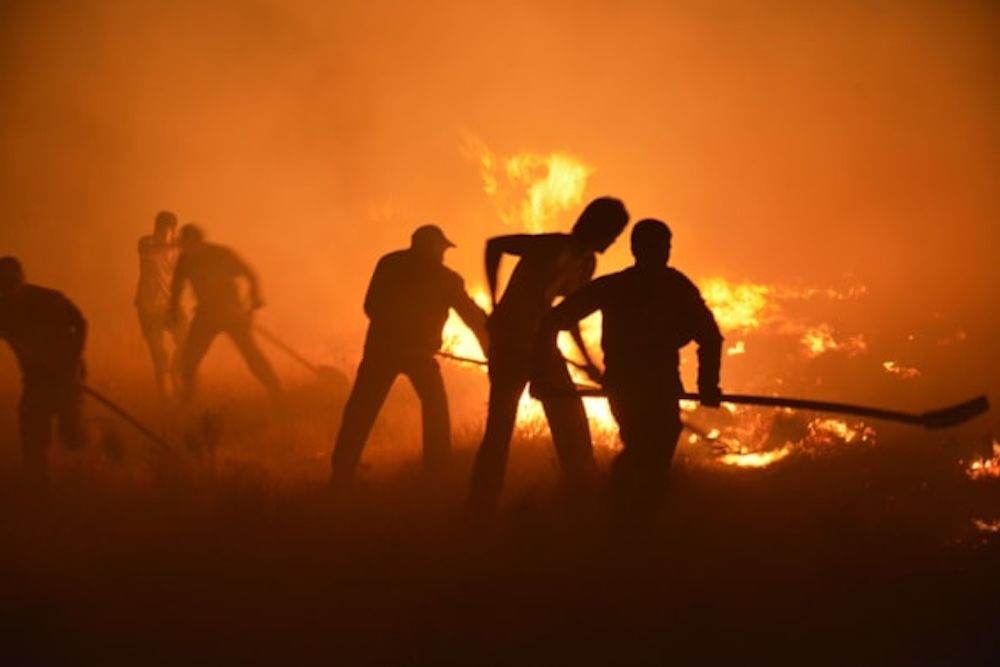
Widespread road closures, reduced visibility due to smoke, tire blowouts and vehicle breakdowns caused by extreme temperatures, and lengthy detours along strategic freight corridors are putting widespread pressure on Europe's supply chains. For transport operators, the resulting consequences include longer journey times, increased fuel consumption, delivery delays, and heightened health risks for drivers; temperature-sensitive cargo faces a higher risk of spoilage, while longer routes and congestion may also drive up labor costs.
France and Spain hold particular importance for Europe's freight industry. Snap Inc. notes that France serves as Europe's primary logistics hub connecting the UK and the Iberian Peninsula, with the majority of road freight between the UK, Spain, and Portugal passing through France. Approximately 75% of UK trade with mainland Europe is transported by road, making closures and detours on French motorways a significant impact on supply chains, with effects reaching thousands of kilometers beyond the affected areas.
These disruptions are expected to particularly affect Eastern European operators. Transport companies from Romania, Lithuania, and Bulgaria typically operate across Western Europe, and delays in France and Spain could significantly raise operational costs, reduce vehicle utilization, and disrupt delivery schedules. Spain also remains one of the main suppliers of fresh fruit and vegetables to the UK, and excessive transport delays could place additional strain on food supply chains during the summer.
In the long term, climate experts warn that as temperatures rise, Europe is experiencing increasingly frequent and severe forest fires, and transport operators should treat climate-related disruptions as a long-term business challenge rather than an isolated seasonal phenomenon. As Europe's freight network continues to adapt to climate change, resilience, visibility, and proactive journey planning are becoming essential elements of modern fleet operations. By planning ahead and providing drivers with greater visibility—including available facilities, secure parking, fuel stations, and alternative routes—operators can reduce the impact of disruptions, protect driver well-being, and maintain more reliable supply chains under unexpected circumstances.
Related Products


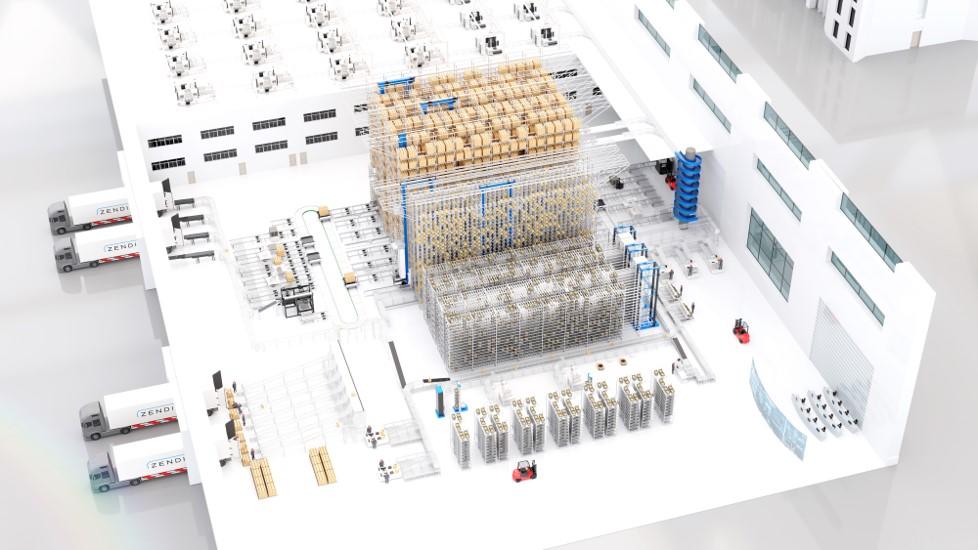
One-Stop Steward Service for the Entire Logistics System Integration Chain
Zhongding Intelligent (Wuxi) Technology Co., Ltd.

Wheel and Track Technology Business
Beijing Research & Design Institute of Rubber Industry Co., Ltd.


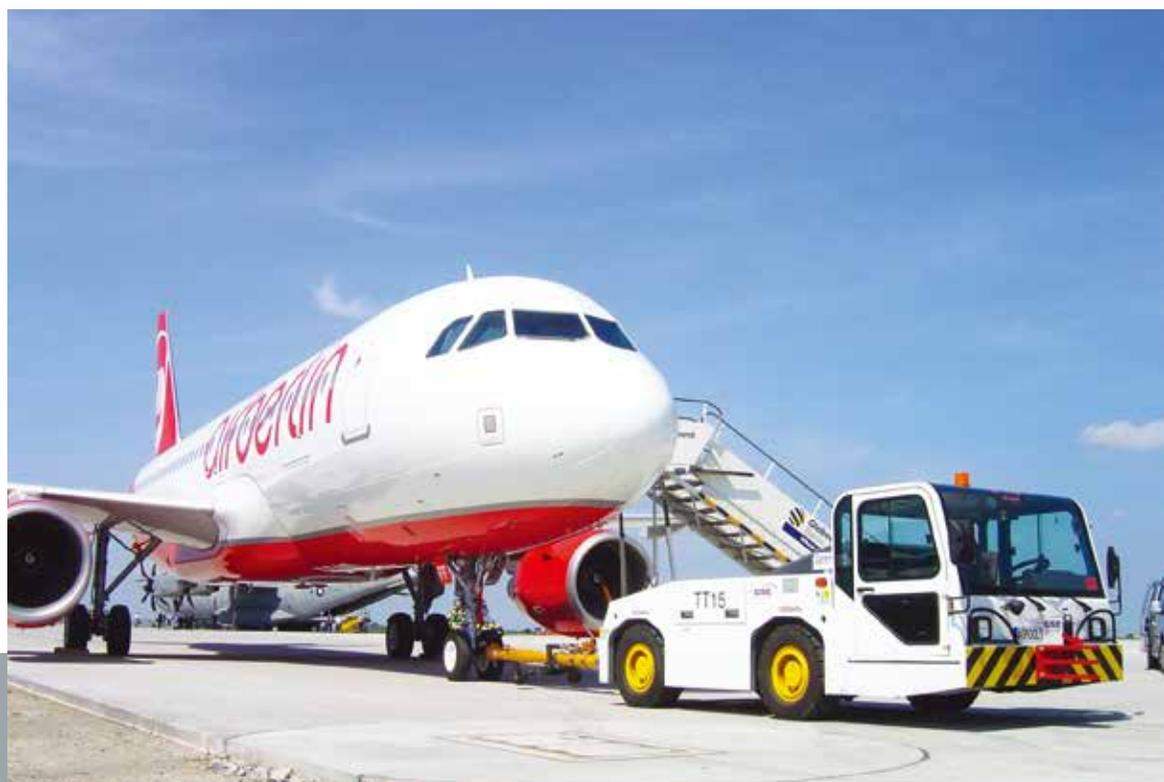
WGQY Series Aircraft Tow Tractor-WGQY15, WGQY27
Weihai Guangtai Airport Equipment Co., Ltd.