Peru Plans $40 Billion Investment in 86 Infrastructure Projects for 2026-2028
en.Wedoany.com Reported - Peru's Private Investment Promotion Agency (ProInversión) is preparing a portfolio of 86 infrastructure projects totaling $40 billion, scheduled for implementation between 2026 and 2028, to close the country's infrastructure gap.
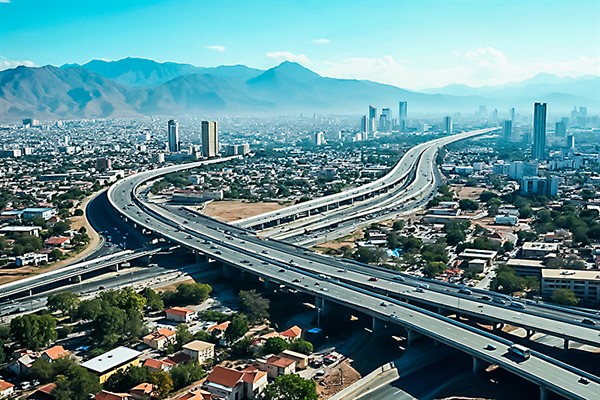
The portfolio includes addenda to existing contracts across various sectors. Among short-term planned projects, the Santa – Pte Chuquicara – Tauca – Dv. Sihuas road corridor in the Áncash region involves an investment of $965 million; the new port terminals in the Loreto region (Saramiza and Iquitos) involve $205 million; the Cusco ring road involves $738 million; the Empalme 1B – Buenos Aires – Canchaque highway involves $179 million; the water intake and conveyance works for Lima's drinking water supply involve $780 million; the Choquequirao cable car involves $412 million; and the Chimbote international terminal involves $463 million.
Between January and July 2026, ProInversión awarded six projects and two contract addenda totaling over $2.455 billion, spanning the sanitation, power transmission, airport, and health sectors.
The short-term portfolio includes 29 projects worth $4.962 billion, plus seven contract addenda worth $7.195 billion. The medium-term portfolio comprises 39 projects worth $20.852 billion across 18 regions; the long-term portfolio considers 18 projects worth $7.796 billion.
The scale of this portfolio corresponds to the country's infrastructure gap, which experts estimate at over $110 billion.
From 2002 to 2025, Peru awarded 252 infrastructure projects totaling approximately $51 billion, of which 145 projects ($39 billion) corresponded to public-private partnership (PPP) models.
Former Economy Minister Luis Miguel Castilla told BNamericas that under the administration of Keiko Fujimori, PPPs will be key to closing the gap, but three major challenges remain: high levels of public co-financing; non-financial issues such as land regularization and disruptions leading to international arbitration; and the renegotiation of expiring concessions.
In her July 28 inaugural address, President Fujimori pledged to advance flagship projects, road networks, airports, and ports. She also emphasized that, alongside major works, priority will be given to dams, dikes, irrigation canals, pipelines, and pumping stations, as well as expanding access to drinking water through treatment plants and distribution systems. She also mentioned modern, safe roads and highways. However, several priority initiatives mentioned by the president remain in early development stages, with studies incomplete or land release processes ongoing.
The Peruvian Chamber of Construction (Capeco) and the National Chamber of Construction and Infrastructure recently warned of a severe paralysis in public works, with over 12,000 projects lacking funding, including schools, hospitals, drinking water and sanitation systems, and highways. Given this situation, they have raised the need to implement stimulus measures for recovery.
Castilla noted: "The government will bet on PPPs and works-for-taxes, seeking effective execution and service to the public, but the task will not be easy."
Related Products


Ceiling light | led Ceiling Light | LED Indoor light | LED Ceiling lighting
Queendom Group Technology Co., Ltd.
Acoustic Mineral Fiber Ceiling Tile 595x595x12mm
Shanxi Pano Trading Co., Ltd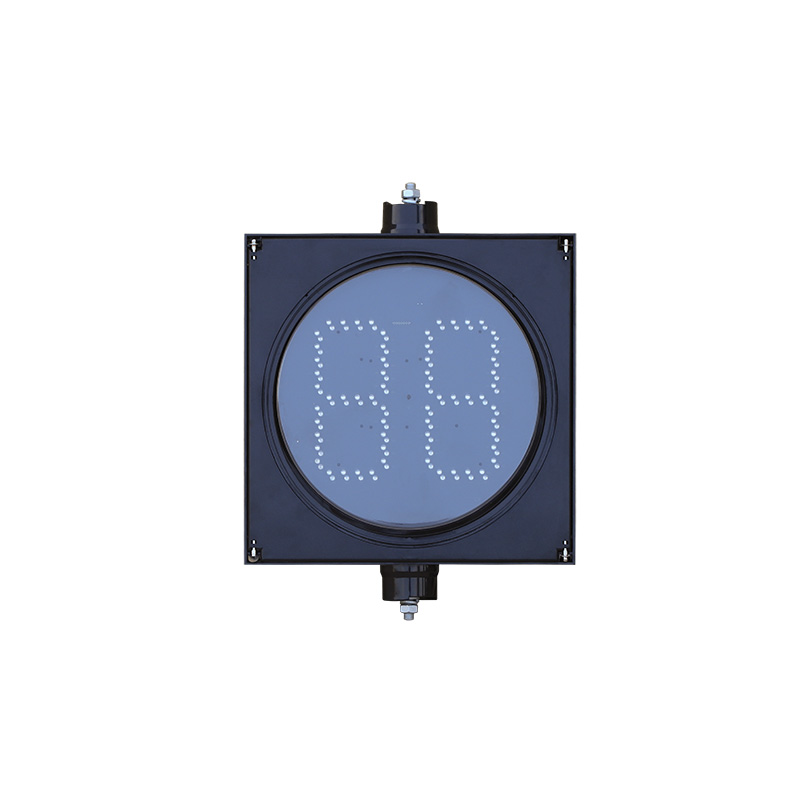
300mm Segment Type Countdown Traffic Light (Core Type)
Yangzhou FAMA Intelligent Equipment Co., Ltd.
High-toughness in-Situ Cold Recycling Technology for Original Structural Layers
Central Fortune Creation Technology Group Co., Ltd.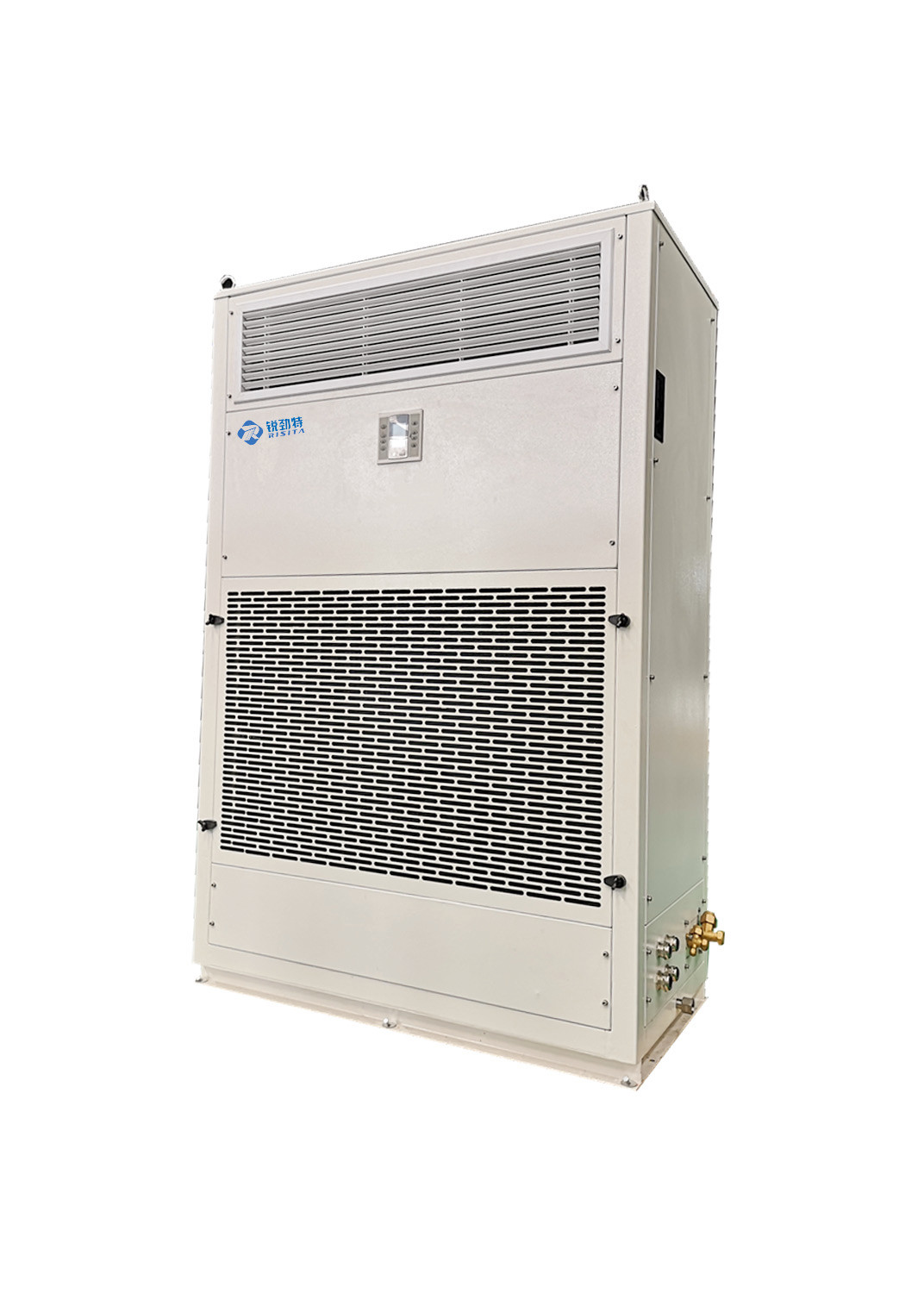
RISITA explosion-proof air conditioning
Guangdong RISITA Air Conditioning Equipment Co.,Ltd.
CITIC Heavy Industries Tunneling Equipment Tunnel Engineering Shield Machine
CITIC Heavy Industries Co., Ltd.