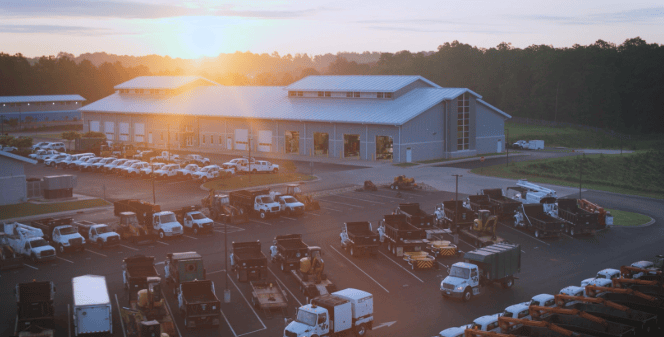
en.Wedoany.com Reported - Daimler Truck North America (Daimler Truck North America) has confirmed that its manufacturing plant on Swan Island in Portland, Oregon, will close on October 30. This marks the first time Freightliner has ended manufacturing operations in Portland since 1947.
The plant, located at 6936 North Fathom Street, opened in 1969 and was the third Freightliner facility established in Portland. Freightliner founder Leland James had previously opened the first plant on Northwest Quimby Street.
This closure marks the second time Daimler Truck and its predecessor have announced plans to shut down the Swan Island plant since acquiring Freightliner in 1981. The first occurred in 2008, when the plant was expected to close in 2010 but received a reprieve in 2009. Transport Topics reported that year that production plans had been slated to move to North Carolina and Mexico.
Nearly coinciding with the closure decision, Daimler Truck has grown increasingly optimistic about truck sales prospects in the United States and Canada for 2026 and 2027.
A Daimler Truck North America spokesperson said via email on July 31 that production of the Western Star X-Series, Freightliner eCascadia, and Freightliner eM2 trucks will be transferred to North Carolina and South Carolina to optimize the Daimler Truck division's production network.
The company expects approximately 375 jobs to be affected; however, a Worker Adjustment and Retraining Notification issued by the Oregon Office of Workforce Investments indicates 387 employees will be laid off.
The spokesperson stated that the decision was not made lightly. The Portland team has played a critical role in the growth of Daimler Truck North America for decades, and the company deeply appreciates the dedication, expertise, and contributions of its employees. During the transition, the company will support affected team members through severance benefits, transition assistance, internal job openings, and additional support resources.
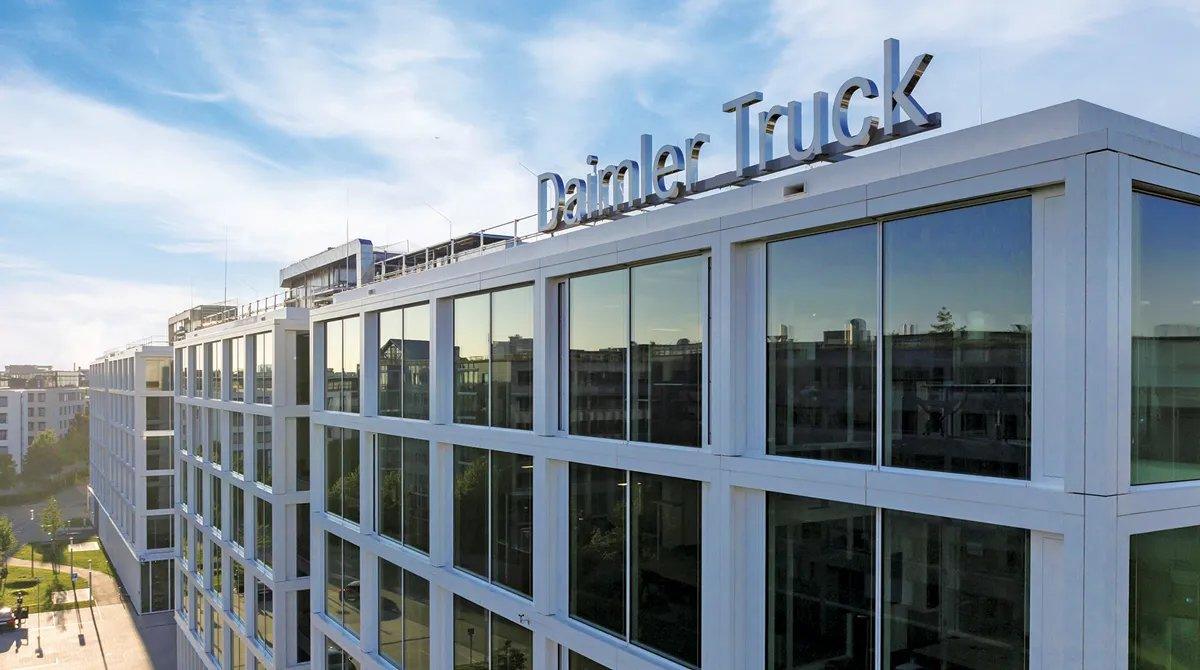
Portland will continue to serve as Daimler Truck North America's headquarters and engineering base in North America. In early July, a $40 million engineering and training facility was put into operation locally. The company opened its new headquarters in the Swan Island community in 2016.
The International Association of Machinists and Aerospace Workers (IAM) District W24 and Local Lodge 1005 said on July 30 that negotiations regarding the plant closure will begin the week of August 3.
The union stated that the IAM's contract with Daimler covers key provisions related to the closure, including severance pay, retiree health care, and extended benefits, and the union will ensure these provisions are enforced. On August 15, the union will also hold an in-person meeting to field questions from members.
North Carolina has long been the production hub for Daimler Truck North America and Freightliner. Freightliner's largest manufacturing facility in the United States—the Cleveland Truck Plant—is located in the state; the Mount Holly plant, which opened in 1979, and the Gastonia plant are also situated there.
Among these, the Mount Holly plant produces Freightliner medium-duty models, while the Gastonia plant handles stamping, metal fabrication, and sub-assembly of cabs and chassis components.

Daimler Truck North America's Thomas Built Buses and Freightliner Custom Chassis business units operate adjacent plants in High Point, North Carolina, and Gaffney, South Carolina.
In July 2025, a sluggish freight market led to declining truck demand, and Daimler Truck North America laid off approximately 2,000 production plant employees in Mount Holly, Gastonia, as well as Detroit, Portland, and Saltillo, Mexico. This downturn was one of the longest in the industry's memory.
However, management at Daimler Truck North America and parent company Daimler Truck is currently optimistic about the outlook for Class 8 truck demand in North America. On July 22, the parent company raised its guidance targets for both itself and Daimler Truck North America.
The U.S. Department of Commerce approved Daimler Truck's U.S. content application (effective November 1, 2025), and the company's tariff framework was subsequently updated, a factor that has also helped. Daimler Truck North America declined to disclose specific details on the tariff impact. The company will report second-quarter 2026 earnings on August 7, and analysts expect to seek more information beyond the interim announcement.
In its announcement, Daimler Truck raised its full-year 2026 truck and bus sales guidance by 10,000 units, to an adjusted range of 160,000 to 180,000 units.
John O'Leary, CEO of Daimler Truck North America, told Transport Topics exclusively in early July that the company also plans to increase staffing at the Mount Holly plant, driven by truck demand from a recovering freight market. The Mount Holly plant will recall 400 employees laid off in July 2025; as part of plans to add a second shift, Daimler Truck North America also intends to hire an additional 200 workers by the end of 2026.
In terms of sales, Daimler Truck North America's second-quarter truck and bus sales rose 8% year-over-year, marking the first quarterly sales growth in six quarters. The company sold 41,687 vehicles in the quarter, compared with 38,580 trucks and school buses in the same period last year; versus the first three months of 2026, sales grew 41.6%, reflecting increased confidence among carriers in the ongoing freight market recovery.
O'Leary told Transport Topics that he expects truck demand to continue accelerating in the second half of 2026, driven by substantial replacement demand from large highway fleets. He said there is certainly some pent-up replacement demand being released in the market, and he expects more to emerge; the freight recession of the past three years suppressed a significant amount of purchasing, delaying the timing of fleet replacements—not because carriers were unwilling to replace trucks, but because business profitability was insufficient to support it.