Canada's Electrovaya Launches Energy Storage Platform with 30-Minute Full Discharge, Deliveries in Q2 2027
en.Wedoany.com Reported - Canadian battery company Electrovaya has unveiled a new battery energy storage platform, the ElvaPulse 1500, targeting the AI and data center markets, with the platform also serving as a stationary energy storage system.
The ElvaPulse 1500 is the first product in Electrovaya's ElvaPulse stationary energy storage portfolio. The platform features a proprietary ceramic separator design, which underpins the Infinity Battery Technology (NMC nickel-manganese-cobalt chemistry); this technology has been validated in over 30,000 battery systems operating in demanding industrial environments. The product series is developed for demanding applications requiring enhanced safety, rapid power delivery, frequent cycling, and long service life, covering AI and data center infrastructure, resilient microgrids, industrial power management, critical backup power, peak demand management, and renewable energy output smoothing.
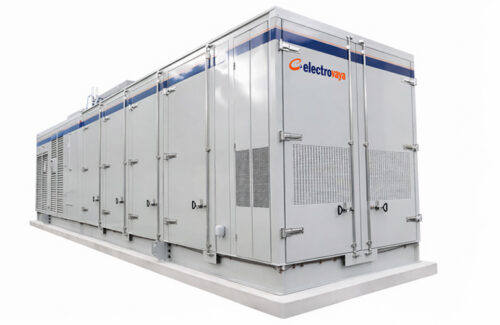
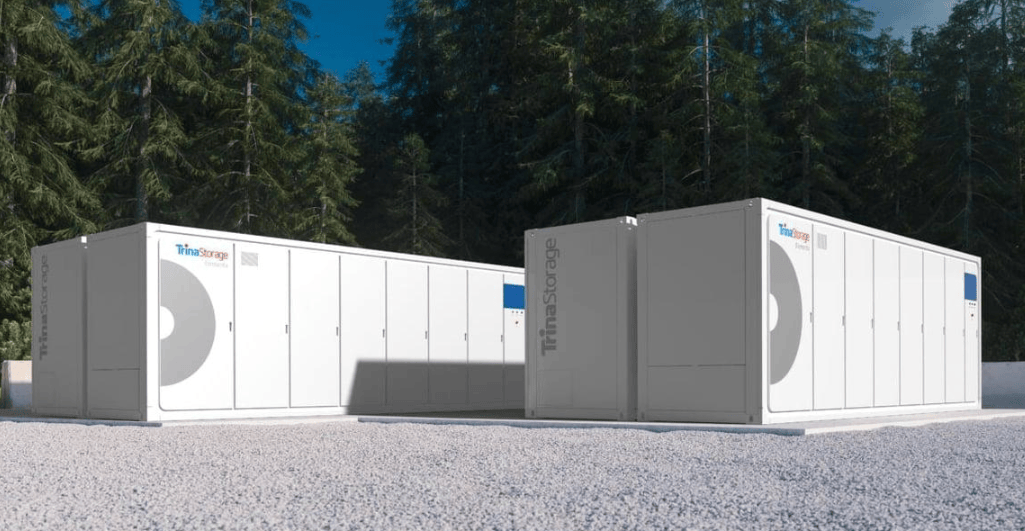
The ElvaPulse 1500 is built on a modular 20-foot container and a 1500V architecture, with a nominal energy capacity of up to 2.88 MWh, and can be configured to deliver continuous power output of up to approximately 7 MW. This power-to-energy ratio enables the system to release its full rated capacity in under 30 minutes; by comparison, most utility-scale lithium-ion BESS platforms have discharge durations of approximately 2 to 4 hours.
Electrovaya CEO Raj DasGupta stated that data centers and other mission-critical facilities are driving the energy storage industry toward higher power output, and the ElvaPulse 1500 was designed precisely for this demand, allowing customers to flexibly configure power, runtime, and footprint according to their needs.
Electrovaya has initiated UL 1973 and UL 9540 certification for the ElvaPulse 1500, targeting completion in the first quarter of 2027. The company is now accepting production orders, with initial deliveries expected to begin in the second quarter of 2027 from its manufacturing facility in Jamestown, New York. Electrovaya began producing battery cells and modules in New York in 2025.
Related Products
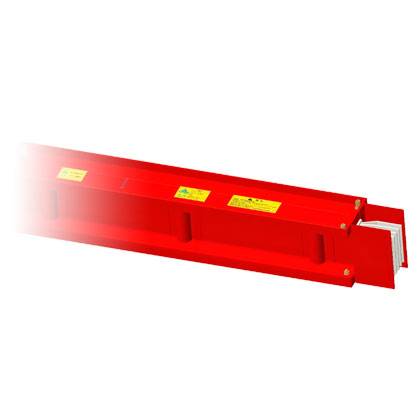

Mineral-insulated Compact Busway (Fire-resistant Busduct)
Zhuhai Guangle Electric Busway Co., Ltd.
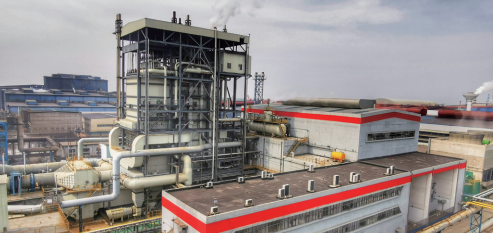
Jiujiang Pinggang 125MW Subcritical Gas Power Generation Project
Capital Engineering & Research Incorporation Limited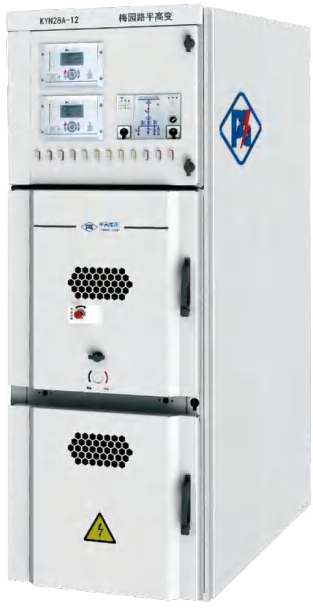
KYN28A-12 Metal Armored Removable Switchgear
Tianjin Ping Gao Intelligent Electric Co., Ltd.
MESS8201-2507/5015-BN Prefabricated Liquid-cooled Energy Storage Battery Container
Xuchang Xuji Electric Science Energy Storage Technology Co., Ltd.
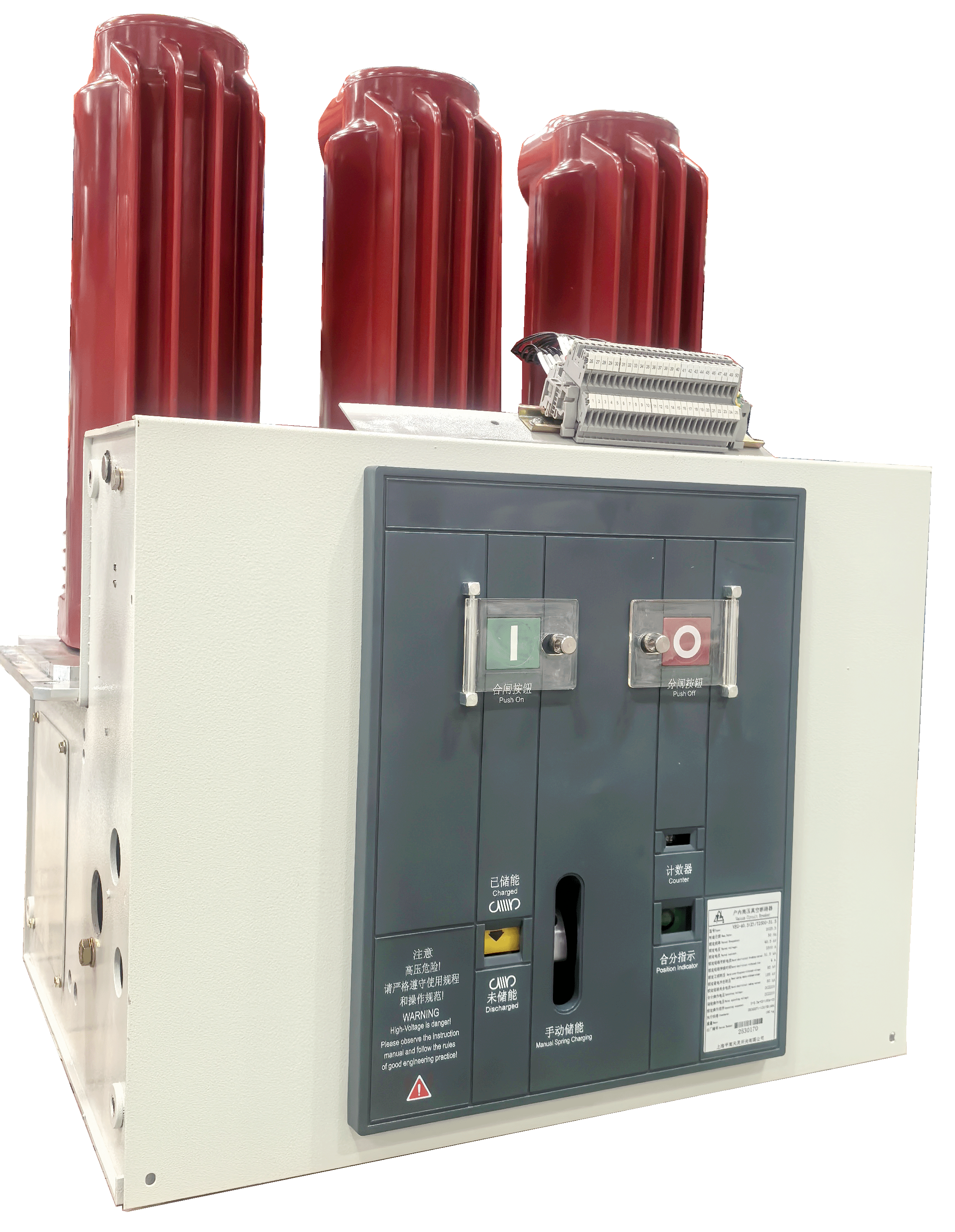
VEG-12/24/40.5 Series Vacuum Circuit Breaker
SHANGHAI PINGGAO TIANLING SWITCHGEAR CO., LTD.