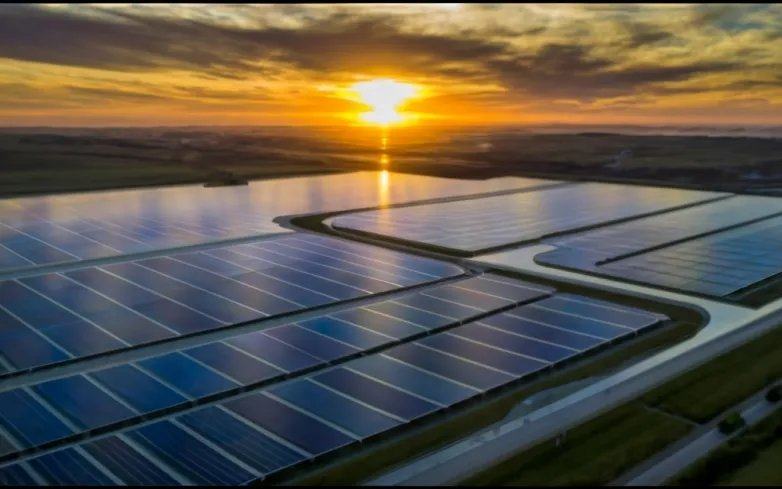
Wedoany.com Report-Jun 4, A recent study by PSR Energy Consulting and Analytics has revealed that installing floating solar systems on just 1% of Brazil’s hydroelectric reservoirs could add up to 38 GW of capacity to the national grid. This research, the first of its kind in Brazil, explores the technical, economic, regulatory, and environmental feasibility of integrating floating solar with the country's existing hydroelectric infrastructure.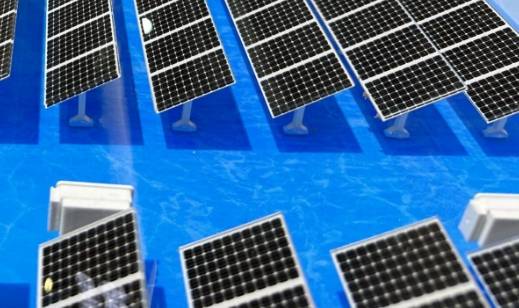
According to the study, Brazil has a theoretical generation potential between 2,265 GW and 3,800 GW if its hydro reservoirs were entirely covered with floating solar panels. This potential far exceeds the current installed capacity of Brazil’s National Interconnected System, which stands at 235 GW, as reported by the National Electric System Operator (ONS).
Rafael Kelman, Executive Director of PSR Energy Consulting, stated: “The integration of hydroelectric plants with floating solar systems, or those near reservoirs, is a strategic option for Brazil to advance its energy transition with efficiency and sustainability. This is an opportunity to use existing infrastructure to rapidly expand the use of renewable sources.”
Economically, floating solar is considered viable, particularly in scenarios with high short-term energy prices. The economic potential ranges from 17 GW in a fixed-price environment to 24 GW based on Brazil’s historical average spot prices. Although the levelized cost of energy (LCOE) for floating solar is currently BRL 374 per MWh (approximately $65), slightly higher than land-based systems at BRL 343 per MWh ($60), this gap may be offset by reduced land usage, improved water management, and grid integration advantages.
The environmental benefits are also notable. The study indicates that floating solar panels can reduce water evaporation from reservoirs by 30% to 50%, depending on the coverage area. This conservation supports hydroelectric generation, although the direct energy gain from the saved water is relatively modest.
Hybrid use of floating solar with hydropower presents multiple advantages, including complementary power generation and the shared use of existing drainage and grid infrastructure. These synergies can reduce connection costs and facilitate integration into the national system.
However, the study also highlighted several challenges. These include risks related to grid curtailment, limitations in hydropower plant operations, and the need for flexible power supply during periods of low demand. Regulatory and environmental concerns were also identified, such as potential impacts on aquatic ecosystems and the risk of eutrophication.
To address these concerns, the report recommends best practices, including selecting sites with strong water circulation and implementing continuous environmental monitoring.
Overall, the study presents floating solar as a promising complement to Brazil’s hydroelectric resources, offering significant potential for clean energy expansion, provided key technical and environmental issues are carefully managed.