India's Cell Manufacturing Capacity Expected to Surpass 100 GW by June 2027
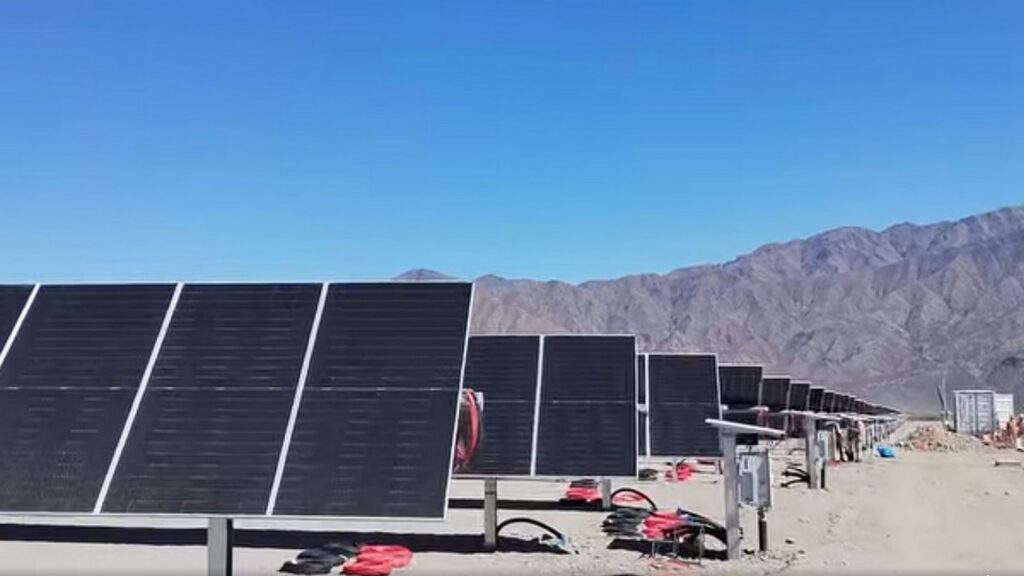
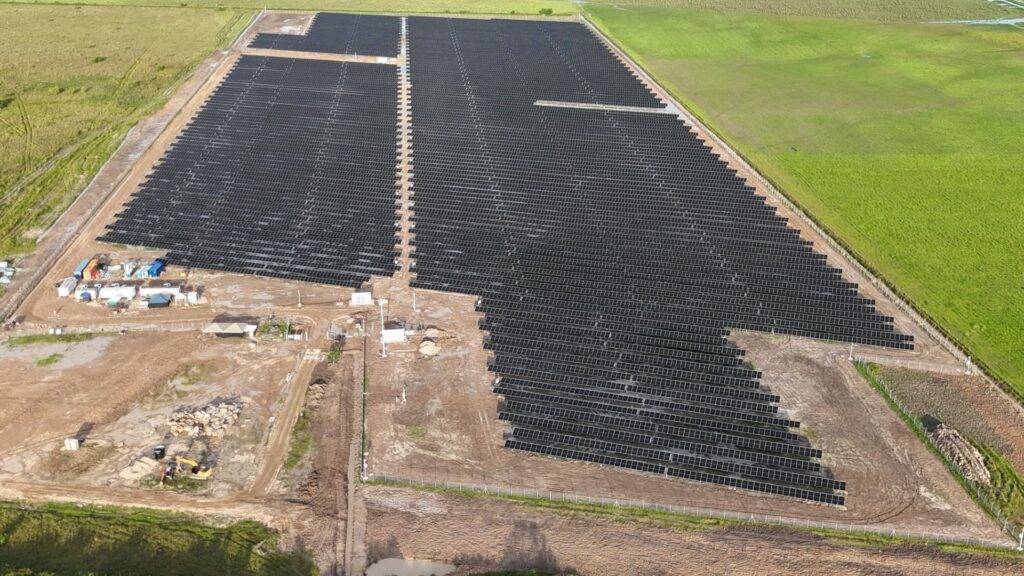
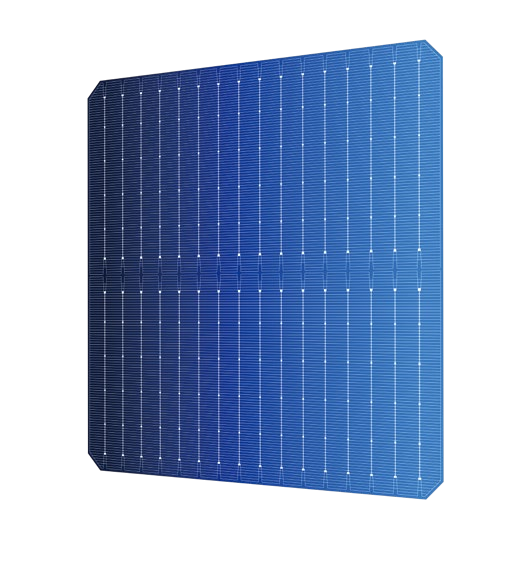
en.Wedoany.com Reported - India's solar cell manufacturing is entering a phase of rapid capacity expansion. The latest Approved List of Models and Manufacturers (ALMM) shows that cell manufacturing capacity on the list has grown from approximately 13 GW to around 31 GW within a year, during which the list underwent eight revisions. Including operational, under-construction, and announced projects, India's cell manufacturing capacity is expected to surpass 100 GW by June 2027.
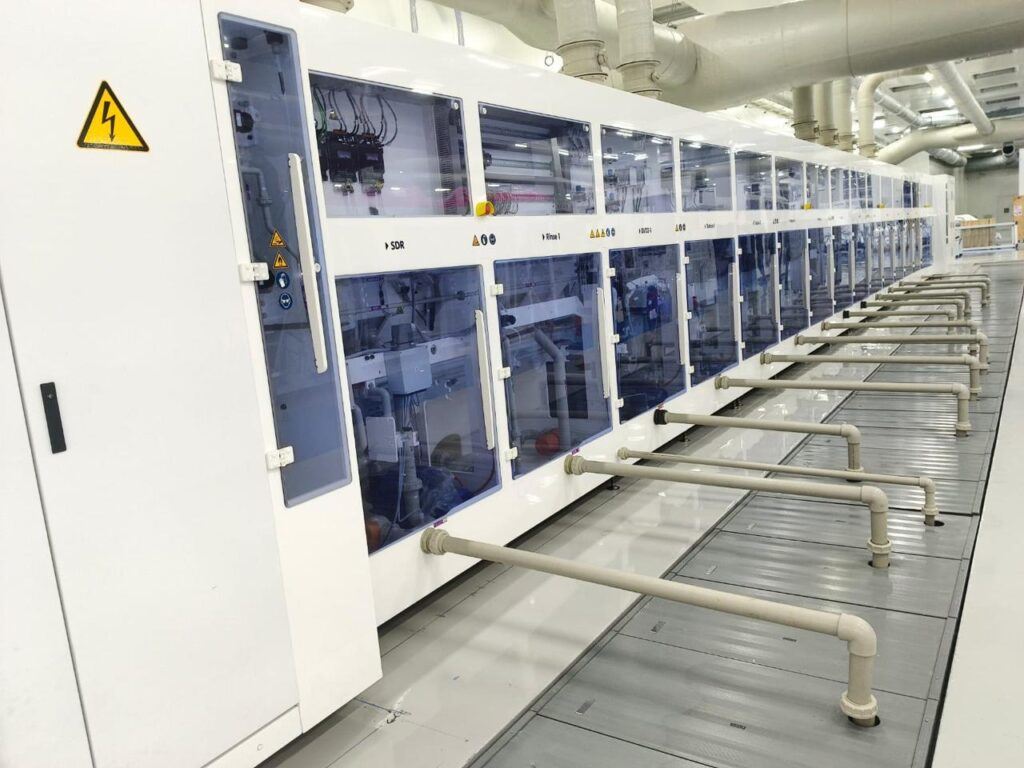
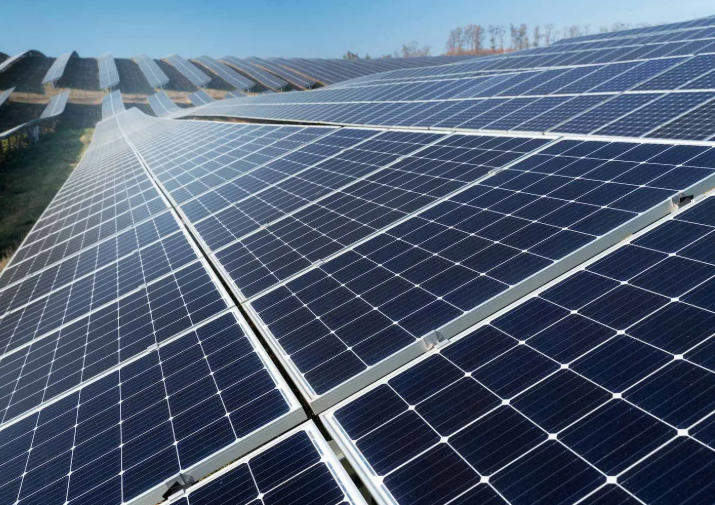
Solar cells are the core technological component of photovoltaic modules, accounting for approximately 60% of module value. Over the past few years, India has built a considerable module manufacturing base, and the rapid growth of cell manufacturing capacity is now adding technological depth to this manufacturing ecosystem. As the industry transitions toward higher-efficiency technology routes such as TOPCon, cell manufacturing is becoming the convergence point of technology iteration, process expertise, quality control, and innovation capability.
The new capacity under construction represents concentrated investment by Indian manufacturers in advanced technologies, process optimization, yield improvement, quality systems, technical talent, and R&D. Compared with module assembly, cell manufacturing requires significantly higher capital expenditure, specialized equipment, and complex process capabilities, along with a longer production ramp-up period to achieve stable commercial yields. Consequently, the number of cell manufacturers in India is notably smaller than that of module manufacturers, reflecting the higher entry barriers involved.
The establishment of domestic cell manufacturing capability gives Indian manufacturers greater control over their own solar technology roadmap. Manufacturers with in-house cell production can respond more quickly to changes in cell architecture, efficiency, and manufacturing processes, and develop products tailored to evolving demand in both domestic and international markets. Policy instruments such as the Production Linked Incentive (PLI) scheme have catalyzed this wave of investment; as related projects move into commissioning and commercial operation, the new capacity will strengthen India's domestic manufacturing base and enhance its ability to serve the rapidly expanding domestic solar market.
The continuation of this investment cycle will depend to a large extent on the stability of India's manufacturing policy framework. Cell manufacturing investments are characterized by large capital requirements and long planning horizons, with facilities currently being built by investors designed to serve India's solar market well beyond the existing project cycle. A stable and predictable policy environment is considered a key condition for sustaining the momentum of investments already underway and for attracting the next wave of investment in domestic cell and upstream segments.
India has already demonstrated its ability to build scalable manufacturing capacity in the module segment. The trajectory of cell capacity growing from approximately 13 GW to around 31 GW within a year, with expectations of surpassing 100 GW by June 2027, reflects manufacturers' response to the opportunities in India's solar market. The next phase of India's solar manufacturing will no longer be measured solely by module output, but increasingly by the technological strength and global competitiveness of the domestic cell manufacturing ecosystem that underpins those modules.
Related Products

Microcomputer Protection and Substation Automation
Beijing Agent Devote Power Technology Development Co., Ltd.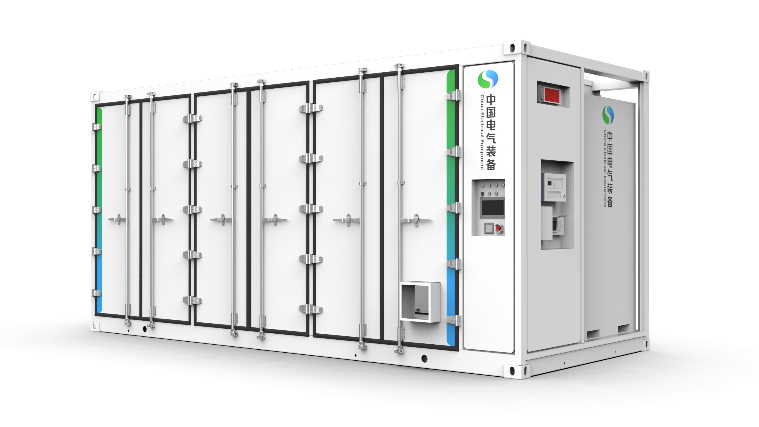
MESS8201-2507/5015-BN Prefabricated Liquid-cooled Energy Storage Battery Container
Xuchang Xuji Electric Science Energy Storage Technology Co., Ltd.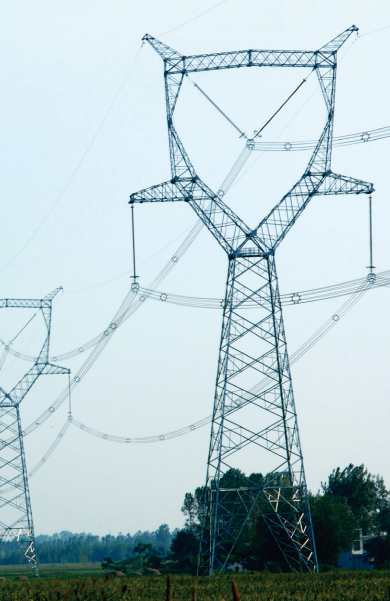
1000kV Jin Southeast-Nanyang-Jingmen UHV AC Transmission and Transformation Pilot Demonstration Project
Anhui Hongyuan Steel Tower Co., Ltd.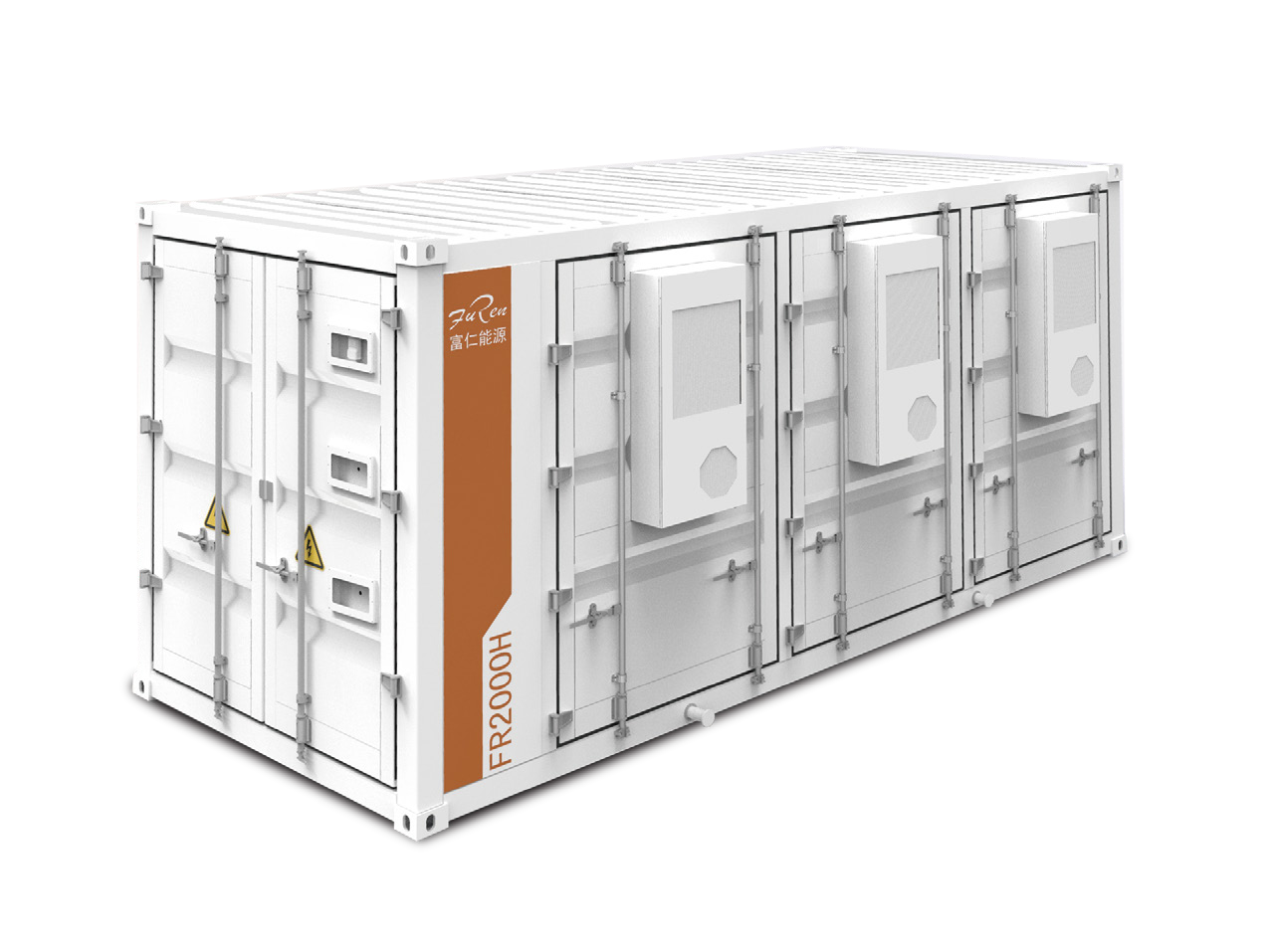
FR2000H 2.15MWh (Air-cooled) 20-foot Containerized Energy Storage System
Jiangyin Furen High-tech Co., Ltd.

Mineral-insulated Compact Busway (Fire-resistant Busduct)
Zhuhai Guangle Electric Busway Co., Ltd.