en.Wedoany.com Reported - On August 11, the newly constructed Nanchang-Jiujiang High-Speed Railway (hereinafter referred to as the "Changjiu High-Speed Railway") officially entered the static acceptance phase, marking the full completion of the main works of the line and the transition of construction into the critical stage of completion acceptance, laying a solid foundation for the line's full opening to operation.
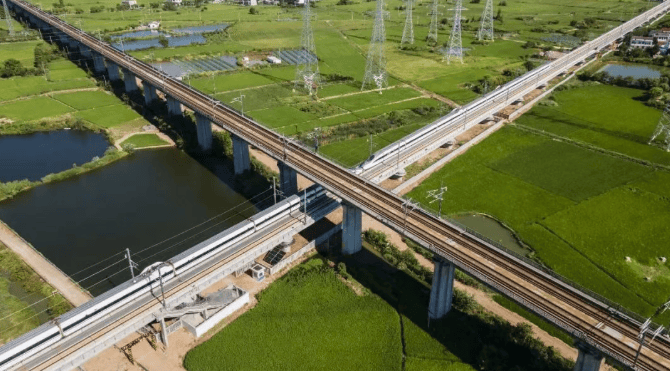
Static acceptance is a crucial step in the completion acceptance of railway construction projects, involving a comprehensive inspection and confirmation of engineering quality and safety functions after the physical works are completed as designed and equipment installation and commissioning are finished.
To ensure the quality of acceptance, China Railway Nanchang Group Co., Ltd. has established multiple specialized acceptance working groups to conduct all-round verification of track, subgrade, tunnels, communications, and station buildings, thereby building a solid foundation of safety and quality for subsequent dynamic testing and trial operation.
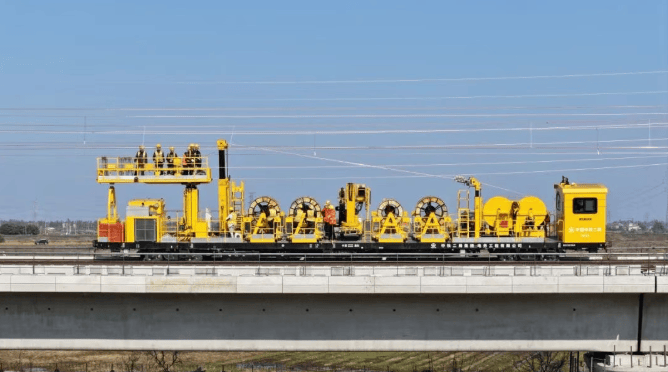
The Changjiu High-Speed Railway has a total length of 138 kilometers and a design speed of 350 km/h. It runs from Jiujiang City in Jiangxi Province in the north to Nanchang City in the south, with five stations along the entire line: Lushan, Lushan South, Gongqingcheng East, Changbei Airport, and Nanchang East.
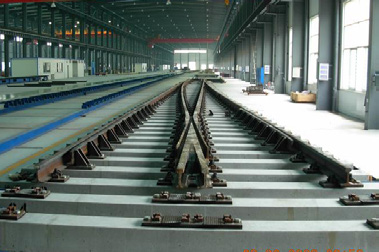
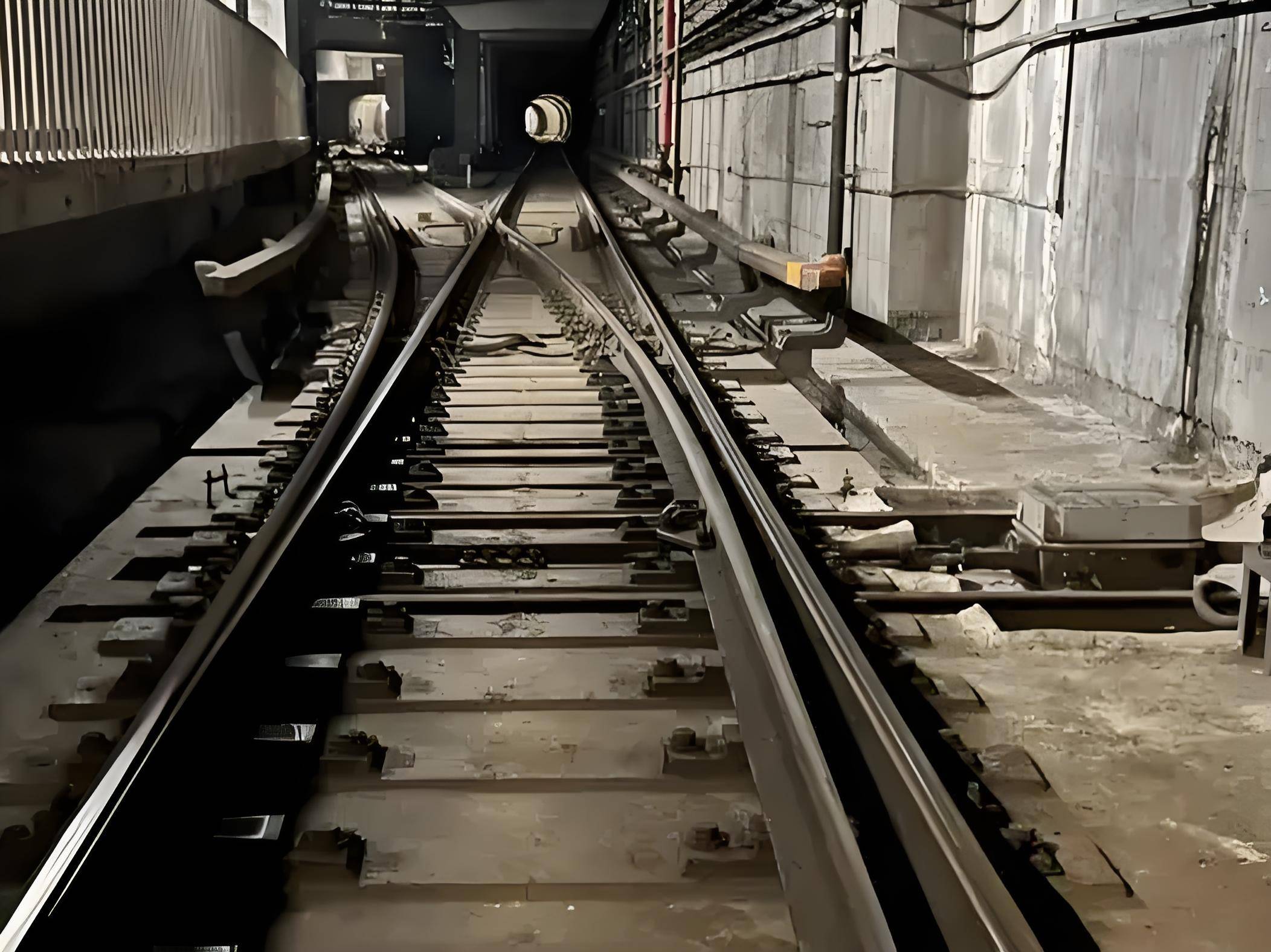
At present, key works on the Changjiu High-Speed Railway, including track laying, station building construction, and installation of the "four power and electrical systems," have been successfully completed. The line's operational and passenger service equipment has been fully installed and commissioned, and the overall engineering conditions meet the requirements for static acceptance work.
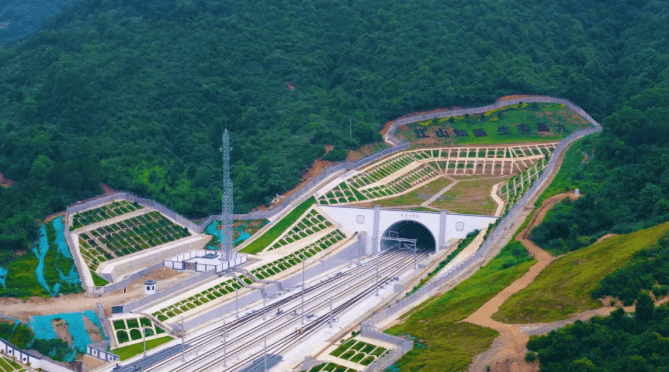
The Changjiu High-Speed Railway is an important component of the Beijing-Hong Kong (Taipei) Corridor, one of China's "Eight Vertical and Eight Horizontal" high-speed railway main channels. Once completed and opened to traffic, it will further optimize the layout of China's high-speed railway network, strengthen interconnectivity between the urban agglomerations in the middle reaches of the Yangtze River and those in the Yangtze River Delta and the Guangdong-Hong Kong-Macao Greater Bay Area, and hold significant importance for promoting the development of the Yangtze River Economic Belt, improving Jiangxi's modern comprehensive transportation system, and further advancing high-quality regional economic and social development.