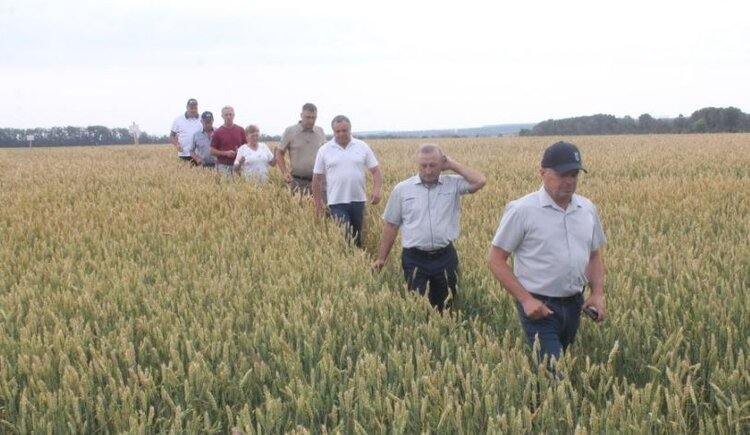
Wedoany.com Report-Jun 11, Spain's garlic harvest is currently underway, with producers reporting favorable weather conditions leading to high-quality crops. Early garlic varieties, including both white and purple types, are being harvested across the country. According to Luis Fernando Rubio, Director of the Association of Garlic Producers and Traders (ANPCA), dry weather and brief periods of heat have contributed positively to the harvest's development.
However, Rubio also noted some setbacks. March brought continuous rainfall and limited sunlight, which led to slightly smaller bulb sizes and reduced yields. Additionally, stricter regulations on plant protection substances have made pest control more challenging, further affecting productivity.
Purple garlic, a variety known for its distinct flavor and quality, remains a key product for Spain. While the early garlic harvest is progressing, purple garlic will not be harvested until late June or early July, making it too soon for any final assessment of this season’s crop.
On the commercial side, despite good production, the European garlic market is currently under pressure. Increased shipments of low-priced garlic from China are affecting sales across Europe. Chinese exporters are sending large volumes of older garlic stocks into the European Union, and even with a €1.20 per kilogram tariff on imports outside the duty-free quota, the pricing remains competitive. This influx is creating challenges for Spanish producers, especially in markets where price plays a significant role in purchasing decisions.
Rubio explained that the impact of Chinese garlic is less evident in the United States, where Spanish garlic continues to perform well. He said: “The United States is a market in which Spanish garlic purchases are driven by quality, rather than price.” He also noted that high tariffs imposed on Chinese garlic in the U.S. have redirected Chinese exports to the EU, intensifying competition in price-sensitive European markets.
Despite these challenges, Spain maintains a strong position in the garlic trade, with stable or growing exports to regions that value product quality. Nonetheless, industry stakeholders remain attentive to shifting international dynamics and are calling for balanced trade policies to ensure market stability.
In summary, while the Spanish garlic harvest benefits from generally favorable growing conditions, the European market environment presents difficulties due to external pricing pressures. The coming weeks, especially with the start of the purple garlic harvest, will be critical in determining the overall outcome for Spanish exporters this season.