DP World Commits Over $500 Million to Expand Tanzania's Dar es Salaam Port
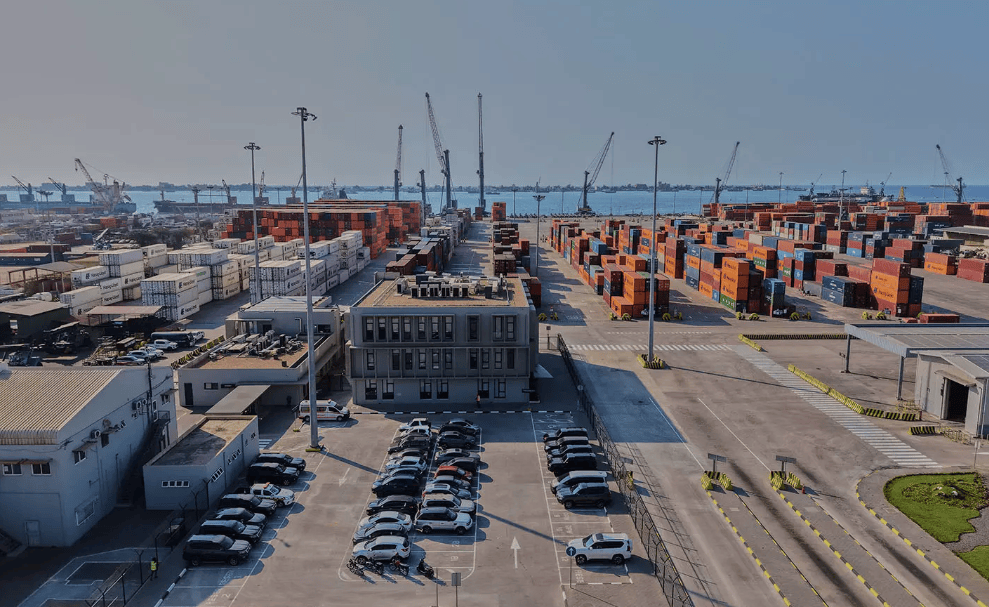
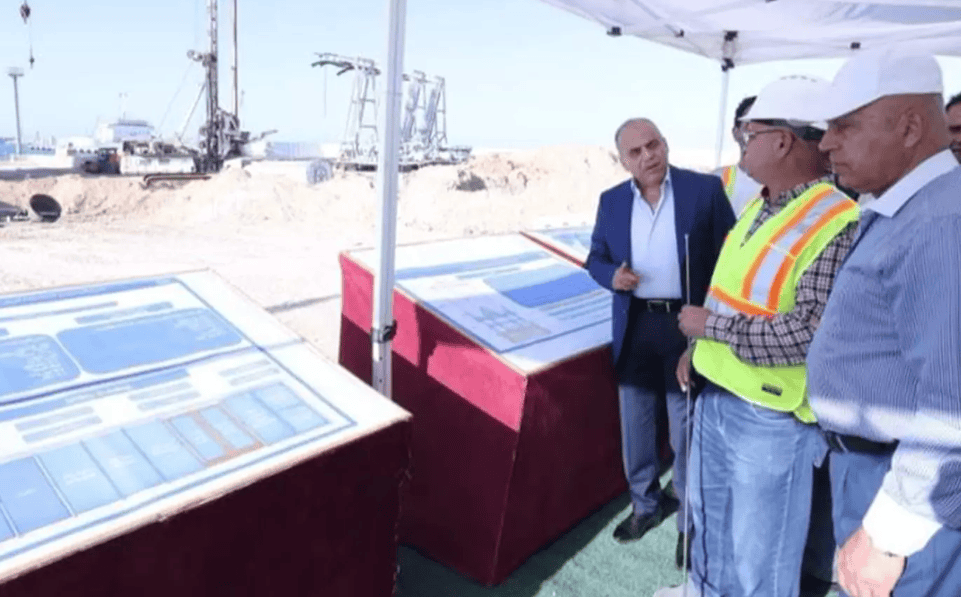
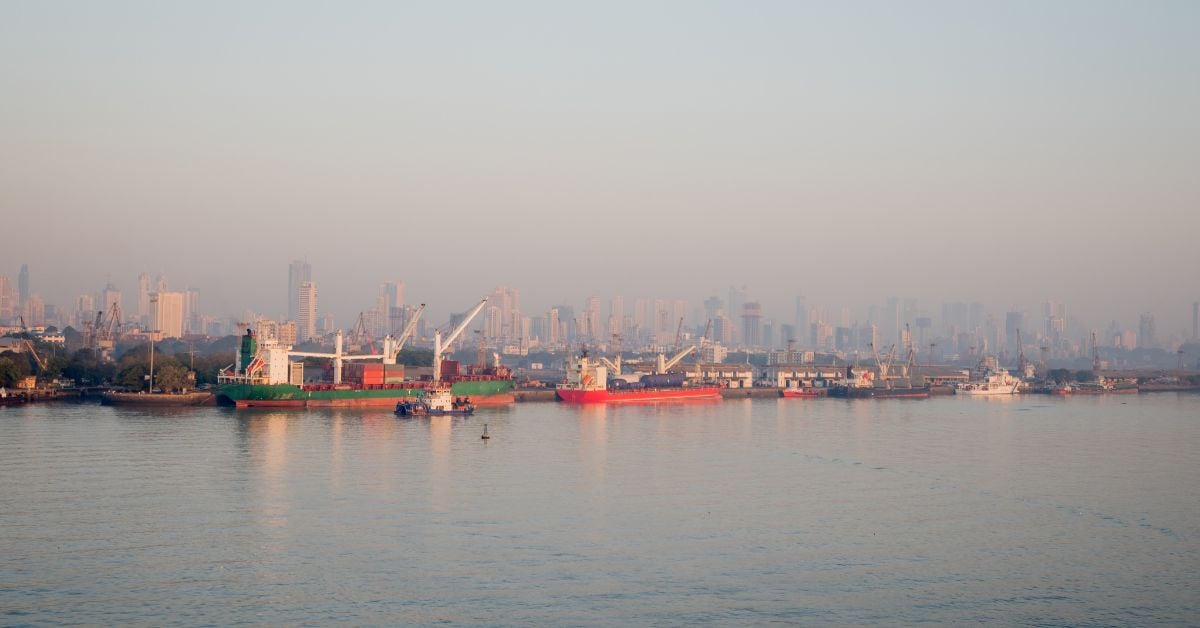
en.Wedoany.com Reported - Egypt-based EPC contractor Edecs Group is redeveloping seven operational cargo and materials handling yards at Berth 1 of Tanzania's Dar es Salaam Port, covering a combined area of 90,000 square meters. The scope of work also includes new gates, utilities, and digital yard management infrastructure, with construction now underway, continuing the modernization program at the terminal since DP World took over operations in 2023.
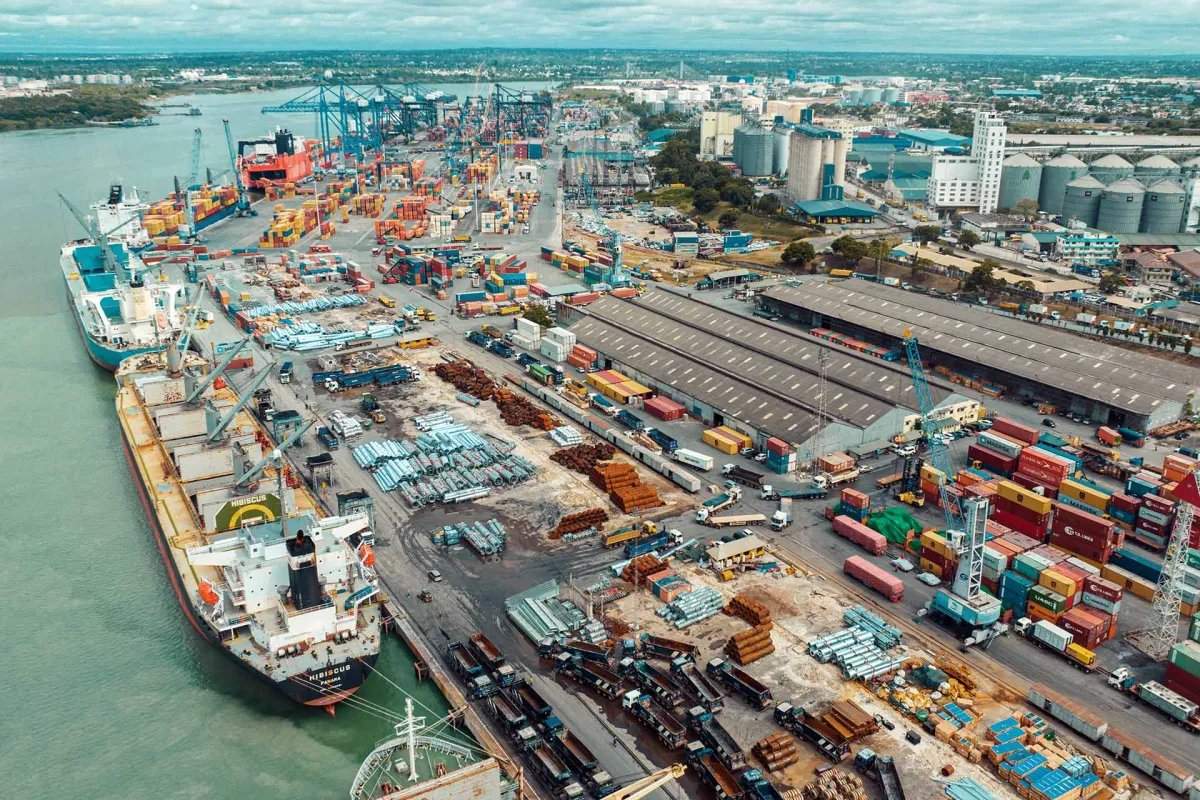
The terminal sits at the end of a trade corridor linking Tanzania's coast with the copper belt mining region of south-central Africa. DP World holds a 30-year concession for the Dar es Salaam Port, which serves as a gateway for Tanzania and landlocked markets in East and Central Africa, connecting road, rail, and freight corridors. The UAE-based port operator has committed over $500 million to modernize terminal facilities and technology.
The infrastructure behind the port is simultaneously undergoing reconstruction. China Civil Engineering Construction Corporation (CCECC) is advancing the Tazara Railway rehabilitation project, a 1,800-kilometer line connecting Dar es Salaam with Zambia, with an investment of $1.4 billion. A World Bank project worth $270 million is upgrading roads, border infrastructure, and trade systems along the same corridor.
Wolfgang Lehmacher, former head of supply chain and transport at the World Economic Forum, told EnterpriseAM that a successful rehabilitation of the Tazara Railway could benefit the entire corridor, with exporters likely to gain lower costs and fewer delays, the railway potentially carrying more freight volumes, the Dar es Salaam Port handling more cargo, and competing gateway ports responding with lower prices or better services.
At another key East African gateway, DP World has taken a different approach. The company's efforts to gain control of berths at Kenya's Mombasa Port have stalled for years, so it has instead developed a 222-hectare industrial park less than 20 kilometers from the port, with the first phase covering 40 hectares. This project allows DP World to access the cargo ecosystem—warehousing, distribution, customs, cold storage, and inland logistics—without controlling the terminal itself, thereby positioning itself at both competing East African gateways simultaneously.
The importance of berths to cargo movement is self-evident. Lehmacher noted that berths control how cargo is unloaded from ships, but if an operator plays a significant role in warehousing, customs, rail, trucking, and distribution, it can gain influence even without owning the berths.
This asset diversification has commercial value in itself. Lehmacher believes that positioning across multiple markets spreads risk across different port contracts and cargo types, but it does not automatically mean customers can shift disrupted cargo between them.
In terms of throughput data, the terminal handled 27.7 million tons of cargo in the 2024/25 fiscal year, up from 23.7 million tons in the previous year. DP World says that since taking over, unloading times for comparable cargo have fallen by more than 90%. However, a previous World Bank diagnostic noted that insufficient container storage space and weak road and rail access are the port's actual bottlenecks, not berth speed. Faster unloading means more cargo is pushed into the landside system, which was not designed for this throughput. The additional 90,000 square meters of operational space from the Edecs project is precisely intended to absorb this pressure and be completed before it becomes the next bottleneck.
Another major UAE port operator is charting a similar course. AD Ports Group holds a 30% stake on the other side of the Dar es Salaam Port through a joint venture led by AD Ports and Adani Ports, which acquired a 95% equity stake in the operator of Berths 8–11. Additionally, AD Ports has secured or developed long-term port footholds at Luanda Port in Angola, Pointe-Noire Port in the Republic of the Congo, and Douala Port in Cameroon.
UAE companies are not the only ones transforming African ports into long-term infrastructure assets. Red Sea Gateway Terminal (RSGT), backed by Saudi Arabia's Public Investment Fund (PIF), secured a 30-year concession in 2025 for Djibouti's Tadjoura Port, with responsibility for operating and developing the facility, planning to raise initial capacity to 5 million tons per year and add a free zone dedicated to East African trade and Ethiopian mineral exports. RSGT also holds a 92-year agreement with Djibouti Ports & Free Zones to build a 120,000-square-meter Saudi logistics city. The company is currently evaluating a 25-year concession for Cape Town's Duncan Dock.
Related Products

Ultra-pure Ferritic Stainless Steel Products
Gansu JISCO Group Hongxing Iron and Steel Co., Ltd.
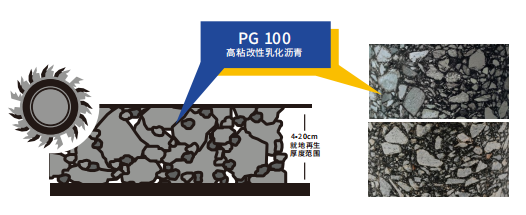
High-toughness in-Situ Cold Recycling Technology for Original Structural Layers
Central Fortune Creation Technology Group Co., Ltd.

Acoustic Mineral Fiber Ceiling Tile 595x595x12mm
Shanxi Pano Trading Co., Ltd
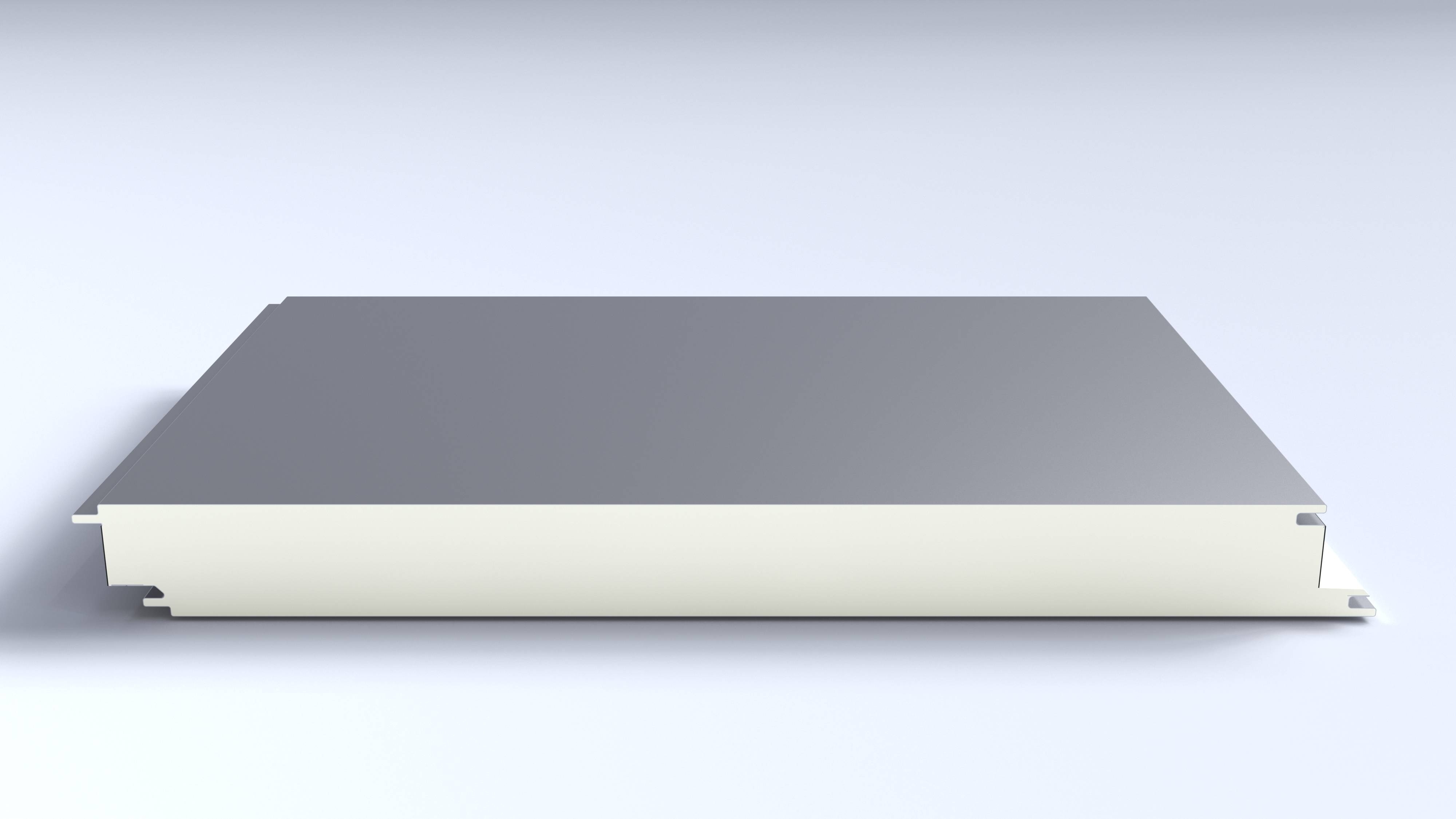
Pure Polyurethane Wall Panel BD-AEF-PIR-01
Baodu International Engineering Technology Co., Ltd.