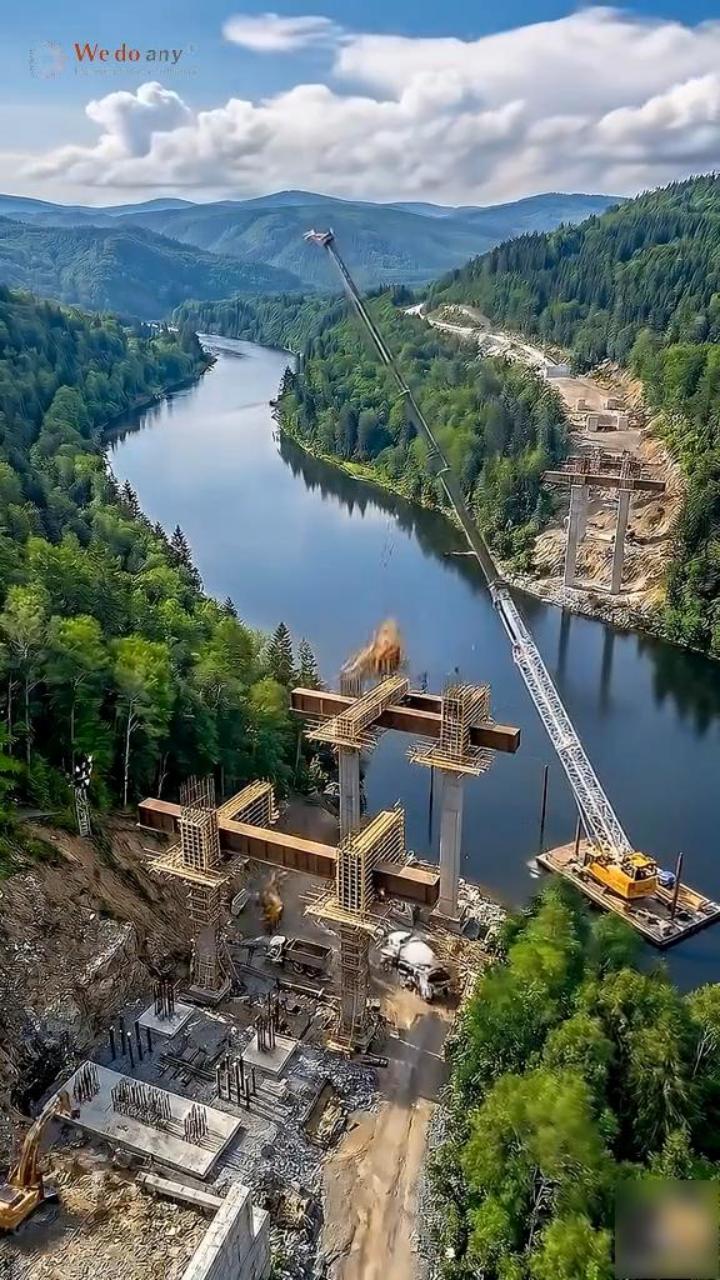
First pile drilled for main bridge of Gongnaisite Bridge on China's Kuytun-Dushanzi-Kuqa Expressway, with 390m main span crossing the Tianshan Mountains
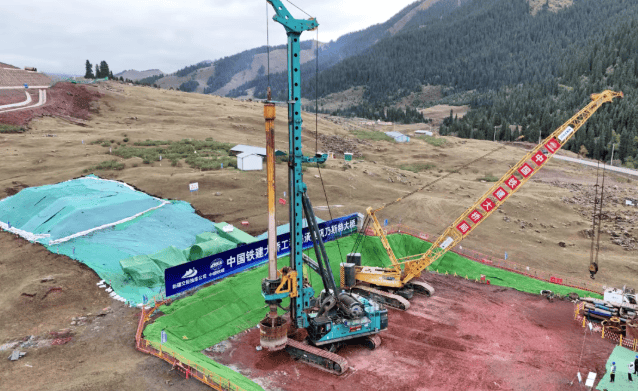
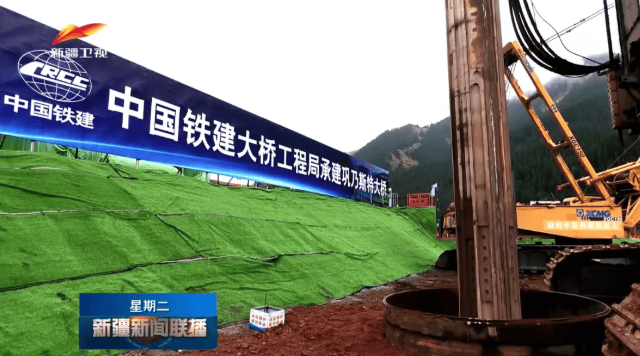
en.Wedoany.com Reported - On August 25, the first pile of the main bridge of the Gongnaisite Bridge on the G3033 Kuytun-Dushanzi-Kuqa Expressway (referred to as the "Ku-Du-Ku Expressway"), undertaken by China Railway Construction Bridge Engineering Bureau Group, was successfully drilled, marking the official entry of the bridge into the main bridge construction phase. This bridge, which boasts the largest span and tallest pylon in Xinjiang, spans the Gongnaisi Valley in the Tianshan Mountains with a main span of 390 meters, signaling another "acceleration" in the construction of expressways connecting the north and south of the Tianshan Mountains.
Rising as a New Internet Sensation
The "New Duku" Will Become the Most Scenic All-Weather Expressway
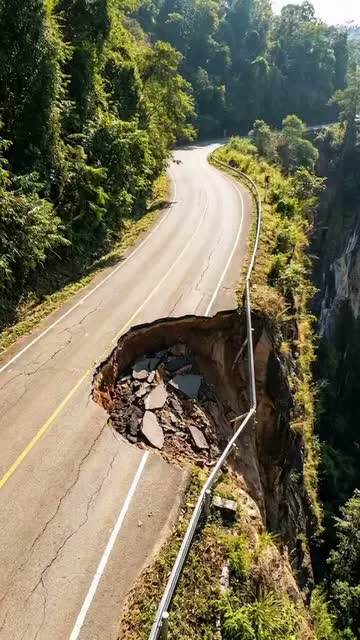
The Duku Highway (Section from Dushanzi to Kuqa on National Highway 217) is one of the most scenic highways in China. Officially opened to traffic in 1983, it stretches 561 kilometers, passing through diverse landscapes including canyons, glaciers, lakes, grasslands, forests, and gobi deserts, offering four seasons in a single day. It showcases the magnificent spectacle of "four seasons in one day, different weather every ten miles" to off-road enthusiasts and self-driving tourists, earning great popularity among visitors. However, constrained by the climate and terrain conditions of the Tianshan mountainous area, the highway is only passable for about 5 months each year, with full closure during winter, making it difficult to meet year-round traffic demands and causing inconvenience for residents along the route and regional development. To address this bottleneck, Xinjiang initiated the construction of the G3033 Kuytun-Dushanzi-Kuqa Expressway, with the pilot project officially commencing in September 2025. Upon completion, the travel time for the entire route will be reduced from the current 14 hours on the Duku Highway to approximately 4 hours, with year-round, all-weather accessibility.
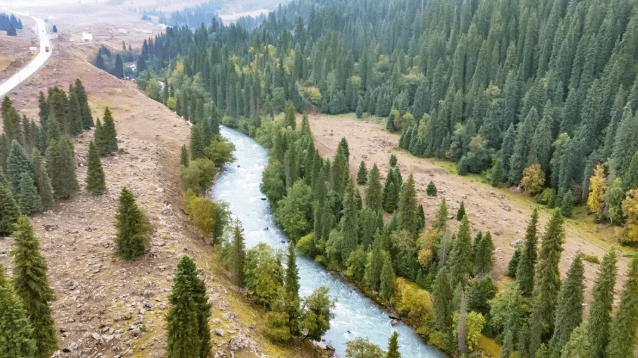
The Ku-Du-Ku Expressway is currently the highway project with the largest single investment and the highest technical difficulty among highway projects under construction in China. Its engineering geological complexity ranks among the highest in the country, earning it the reputation of a "Xinjiang Geological Museum." It also serves as an important parallel line to the G30 Lianyungang-Khorgas Expressway in the national expressway network, and is a key north-south passage through the Tianshan Mountains serving the Belt and Road Initiative and the Western Development Strategy. The route starts in the north from Kuytun City in the Ili Kazakh Autonomous Prefecture, connecting to the G30 Lianyungang-Khorgas Expressway, and extends south to Kuqa City in the Aksu Prefecture, linking to the G3012 Turpan-Hotan Expressway. The entire route traverses the heart of the Tianshan Mountains, connecting important cities such as Kuytun, Dushanzi, Usu, and Kuqa, with a total length of approximately 393 kilometers, adopting four-lane and six-lane expressway standards with design speeds of 100/120 km/h.
Meanwhile, the project design incorporates the integrated development of "transportation + tourism," with multiple interchanges and connector roads linking to the Duku Highway, and service facilities such as service areas, parking areas, and viewing platforms will be set up at scenic spots along the route.
Surpassing the Guozigou Bridge
A 390-Meter Main Span Soaring Over the Tianshan Mountains Becomes a New Landmark
Contract Section 3 of the Ku-Du-Ku Expressway civil works, undertaken by China Railway Construction Corporation as the general contractor, spans Xinyuan County in the Ili Kazakh Autonomous Prefecture and Hejing County in the Bayingolin Mongol Autonomous Prefecture, with a route length of 50.826 kilometers. Located deep in the heart of the Tianshan Mountains, the area features complex geological structures, sensitive ecological environments, and variable climatic conditions. The section includes 18 mainline bridges and 6 tunnels, with bridges and tunnels accounting for 51% of the route.
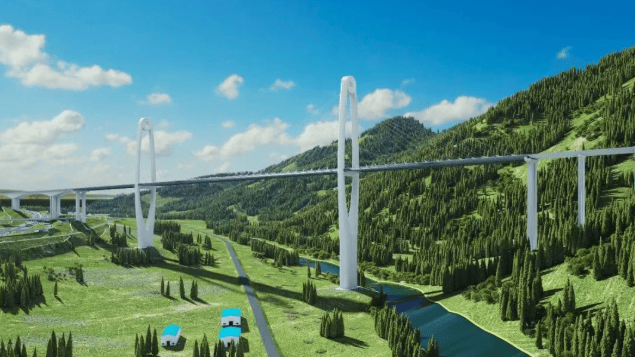
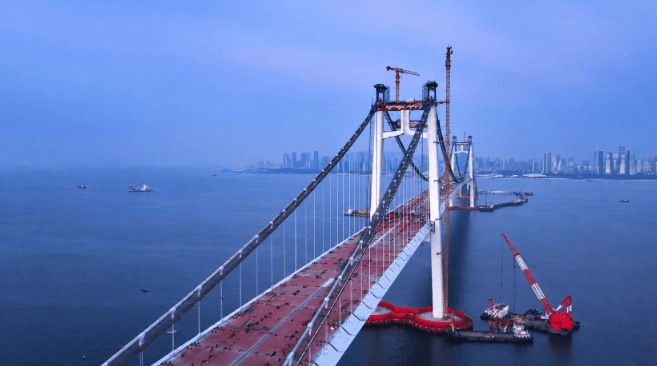
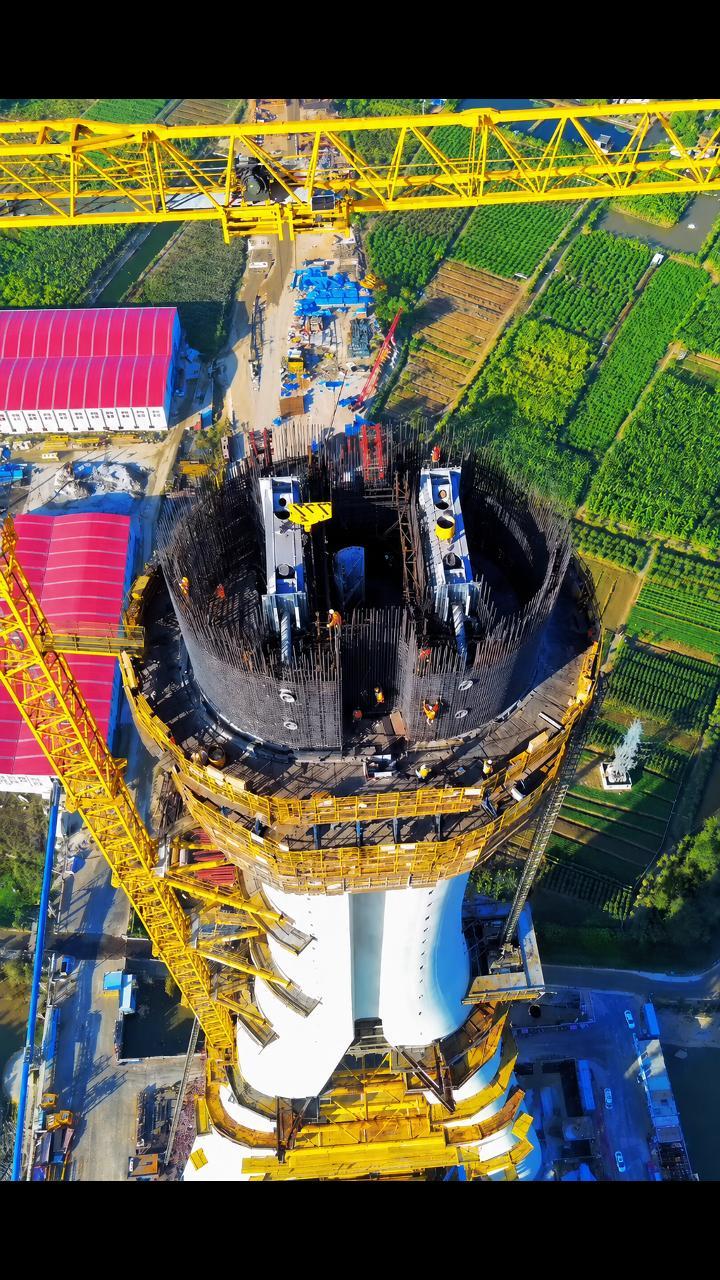
As one of the key controlling projects along the entire route, the Gongnaisite Bridge is situated at the junction of Xinyuan County in the Ili Kazakh Autonomous Prefecture and Hejing County in the Bayingolin Mongol Autonomous Prefecture, spanning the Gongnaisi Valley. The main bridge has a total length of 790 meters with a main span of 390 meters, adopting a twin-tower, double-cable-plane steel-concrete composite girder cable-stayed bridge design. The main towers feature specially shaped diamond-curved concrete cable pylons, composed of twin tower columns, integral tower piers, prestressed crossbeams, and "concentric circle" styled tower crowns, with heights of 206.7 meters and 241.2 meters respectively. A total of 84 pile foundations are arranged for the main bridge. Upon completion, the bridge will surpass the Guozigou Bridge on the G30 Lianyungang-Khorgas Expressway, which has a main span of 360 meters and a maximum tower height of 215.5 meters, making it the bridge with the largest span and tallest tower in Xinjiang.
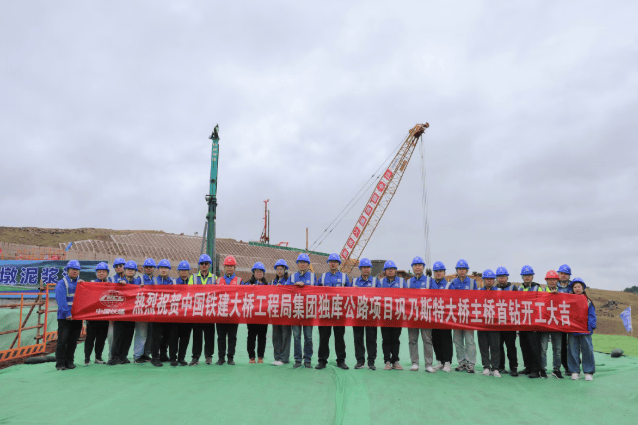
The first pile drilled this time is Pile No. 5 of Pier No. 35, with a pile length of 60 meters and a pile diameter of 2.5 meters. The designed concrete volume is 294 cubic meters, with rotary drilling taking approximately 3 days and pile pouring approximately 5 days.
Only 6 Months of Effective Construction Time Per Year
Smart Construction Empowers Acceleration
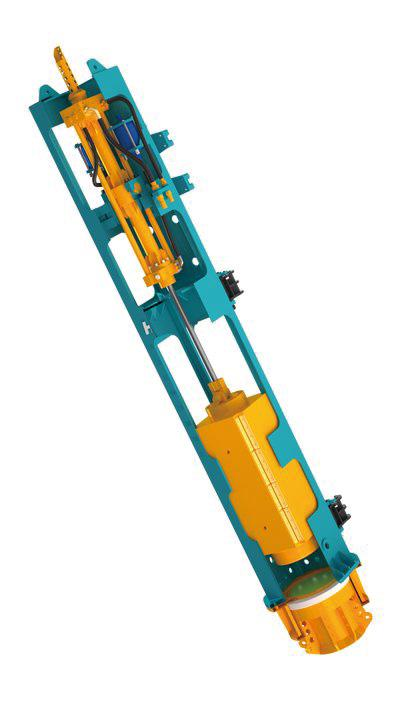
The Gongnaisite Bridge is located in a high-altitude, deep mountain canyon area characterized by extreme cold, large temperature differences, and long periods of heavy snow in winter, leaving only 6 months of effective construction time per year. The builders are not only racing against time in the Tianshan Mountains but also going head-to-head with complex geology and harsh climate. The project team is tackling these challenges through smart construction, relying on ultra-large rotary drilling rig systems to ensure efficient and high-precision hole formation for super-large-diameter bored piles; utilizing intelligent temperature servo control systems to precisely manage the hydration heat of mass concrete and solve temperature-differential cracking issues; applying smart tower-building machines adapted to the complex curvature construction of diamond-shaped curved cable pylons; and employing full-rotation intelligent bridge deck cranes to complete the high-altitude precision assembly of over 8,000 tons of steel girder components.
Gently Placing the "New Duku" into the Tianshan Mountains
The bridge is located in the ecologically core sensitive area of the Gongnaisi National Forest Park, where the native Schrenk spruce forests of the Tianshan snowline, valley water systems, and mountain ecology are extremely fragile. The bridge construction team has consistently adhered to the construction philosophy of "ecological priority, green construction, and harmonious coexistence," innovatively adopting a 390-meter ultra-large-span cable-stayed bridge scheme. Through the design approach of "large spans with fewer piers, high spans with less excavation," they have significantly reduced mountain excavation, forest land occupation, and high-slope disturbance, minimizing the impact of engineering construction on the natural ecology from the source. This allows the mega project to coexist with pristine mountains and waters, exploring a path of coordinated development between large-scale bridge construction and ecological protection in high-altitude, ecologically sensitive cold regions.
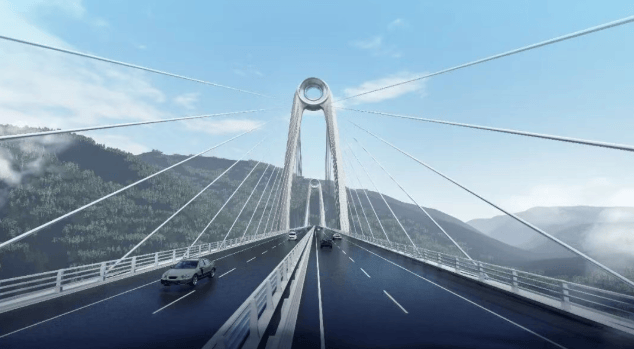
Watching the rainbow rise over the Tianshan Mountains. In the future, this largest bridge in Xinjiang will completely break the seasonal traffic bottleneck between the north and south of the Tianshan Mountains, improve the regional expressway network, enhance disaster relief and emergency response capabilities, and pave the way for border-area economic development, improved livelihoods, and high-quality development of the core area of the Belt and Road Initiative.
Related Products
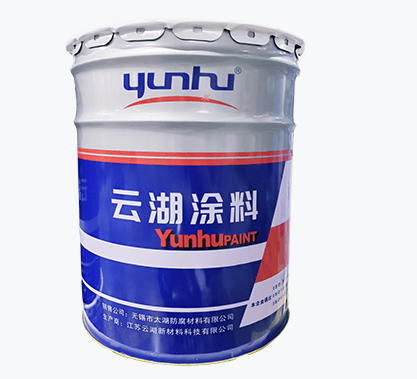

YHTank8400N Solvent-Free Liquid Epoxy Coating
JIANGSU YUNHU NEW MATERIAL TECHNOLOGY CO., LTD.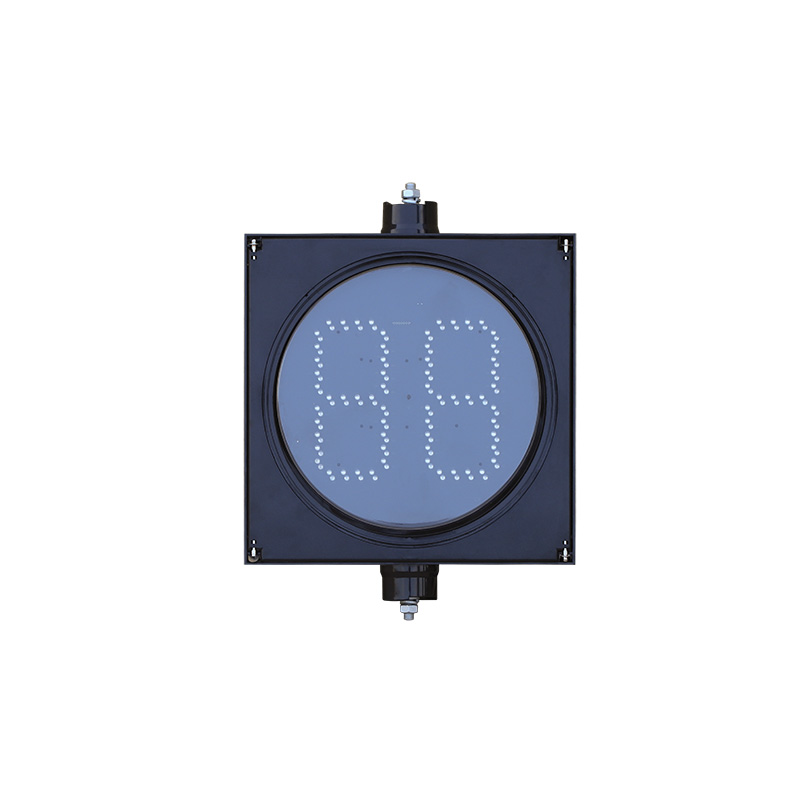
300mm Segment Type Countdown Traffic Light (Core Type)
Yangzhou FAMA Intelligent Equipment Co., Ltd.
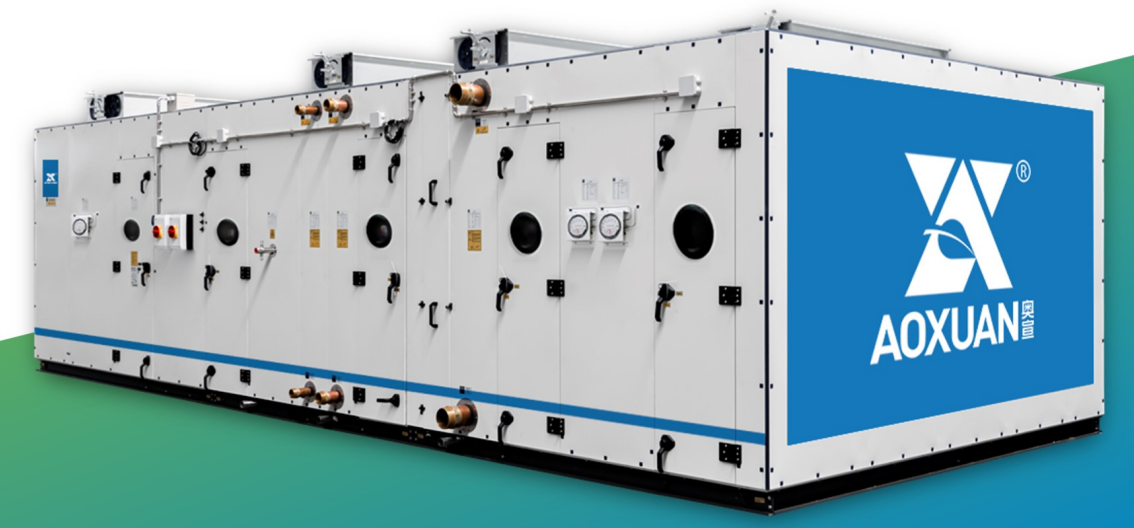
Aoxuan Intelligent Precision Air Conditioning Unit
SHANGHAI AOXUAN PURIFICATION TECHNOLOGY CO., LTD.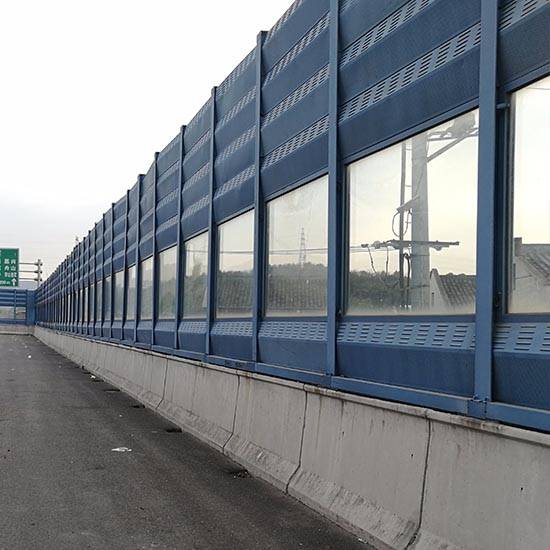
Metal sound barriers that can reduce the transmission of road noise
Hebei Jinbiao Construction Materials Tech Corp., Ltd.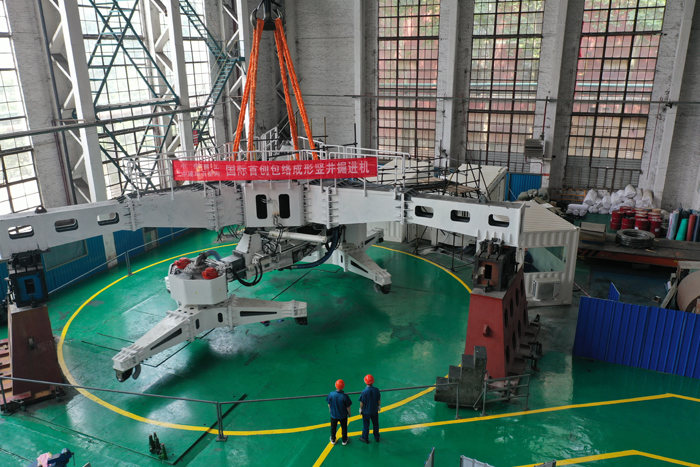
CITIC Heavy Industries Tunneling Equipment Tunnel Engineering Shield Machine
CITIC Heavy Industries Co., Ltd.
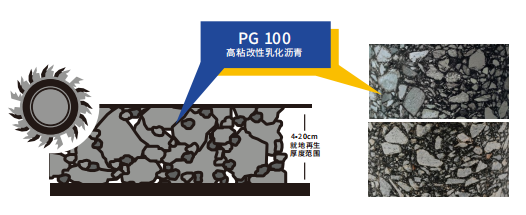
High-toughness in-Situ Cold Recycling Technology for Original Structural Layers
Central Fortune Creation Technology Group Co., Ltd.