Unveiling the Hidden Culprit: Hydrogen’s Role in Battery Degradation
In a world increasingly dependent on electronic devices, rechargeable batteries have become indispensable. Powering everything from our smartphones to laptops, these batteries are the backbone of modern technology. However, despite their reusable nature, they possess a finite lifespan that has puzzled scientists and consumers alike. A groundbreaking study by researchers at Stanford University has shed light on an unexpected contributor to this decline: hydrogen.
The Heart of Rechargeable Technology
Rechargeable lithium-ion batteries operate through a delicate balance of chemistry. At their core are two electrodes—a positively charged anode and a negatively charged cathode—separated by an electrolyte. This electrolyte facilitates the movement of lithium ions from the anode to the cathode, generating a flow of electrons that powers our devices. Yet, this complex process is not immune to deterioration over time.
A Surprising Discovery in Battery Degradation
The team at Stanford, led by physicist and chemist Gang Wan, embarked on a quest to unravel the mysteries behind battery degradation. While exploring the intricacies of lithium-ion batteries, they stumbled upon an intriguing revelation. Alongside lithium ions, hydrogen protons and electrons, which typically go unnoticed in such studies, were found to be migrating to the cathode. These unwanted “passengers” accumulate over time, impeding the efficient conduction of charge by lithium ions and thus eroding battery capacity.
Wan explains, “Even if you’re not using the battery, it loses energy due to the presence of hydrogen.” This revelation highlights a fundamental yet often overlooked aspect of battery chemistry and opens up new avenues for research and development.
The Ubiquity of Hydrogen
Hydrogen is an omnipresent element, found in nearly every facet of our universe. Its small size and simplicity make it a ubiquitous component in myriad chemical reactions. In the case of lithium-ion batteries, hydrogen’s presence as a byproduct of the electrolyte’s chemical reactions underscores its pervasive nature. To better understand its role, the Stanford team utilized deuterium, an isotope of hydrogen, to track its behavior within the battery. This novel approach allowed them to pinpoint hydrogen as a key factor in the gradual decline of battery efficiency.
Implications for Battery Design
The discovery of hydrogen’s impact on battery degradation presents both challenges and opportunities for battery designers. By targeting the chemical reactions that lead to hydrogen’s accumulation, engineers may develop strategies to enhance battery longevity. This could involve altering the electrolyte composition or modifying the cathode to resist hydrogen infiltration. Such advancements hold the promise of extending the lifespan of batteries, thereby reducing the frequency of gadget replacements and minimizing electronic waste.
Related Products
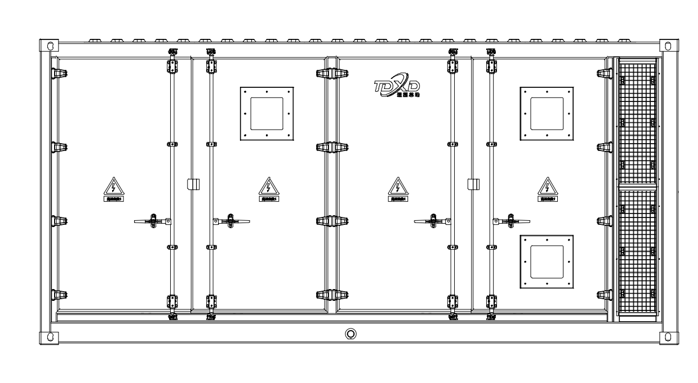

5012kWh DC Energy Storage System TD-EES-5012kWh
Suzhou Tongding Xindong Energy Storage Technology Co., Ltd.

6kV-35kV Medium and High Voltage Direct-Connected Energy Storage System
Hainan Jinpan Smart Technology Co., Ltd.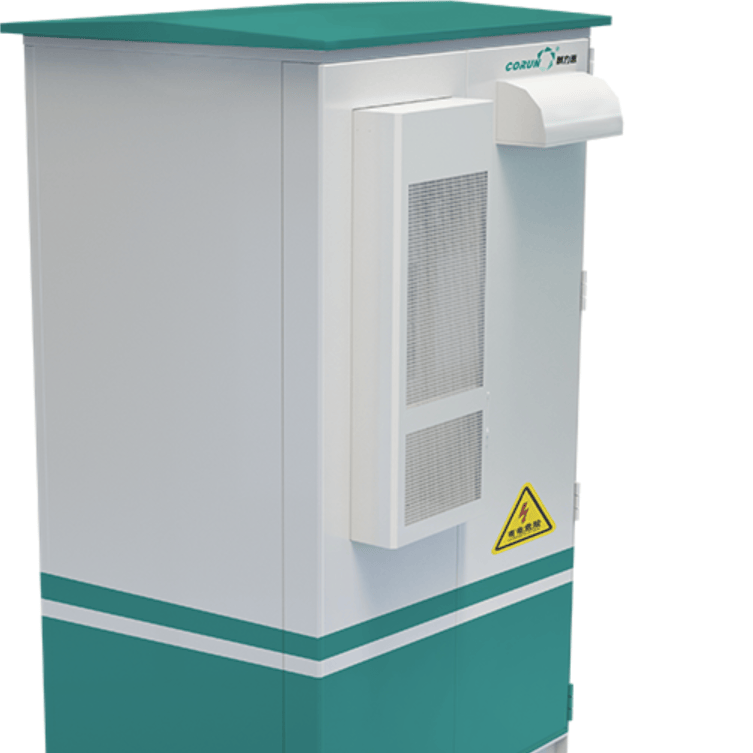
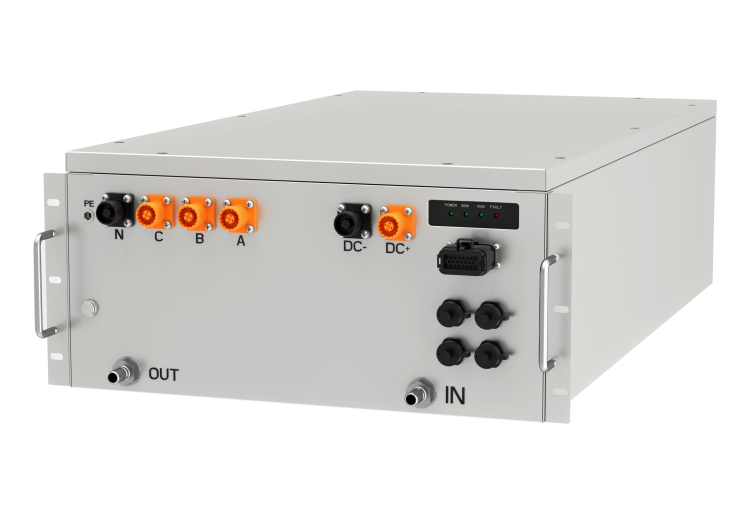
Mars (Liquid Cooling) Series Industrial and Commercial Energy Storage Converter High Protection Module
Shenzhen Winline Technology Co., Ltd.

RT-10Y three-phase integrated home energy storage system
Bescore New Energy Technology (Qingdao) Co.,Ltd.