Germany Sets Onshore Wind Subsidy at 8.2 Euro Cents per Kilowatt-Hour
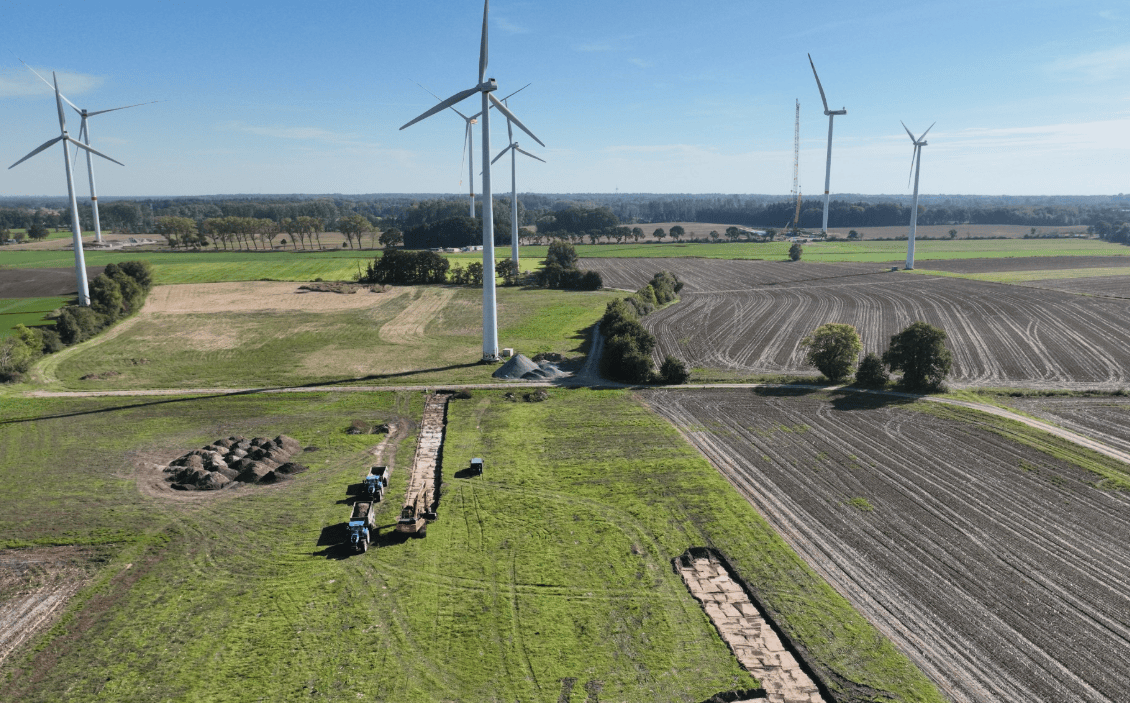
en.Wedoany.com Reported - The German government has set the expected subsidy level for new onshore wind turbines at 8.2 euro cents per kilowatt-hour, and estimates the generation cost of gas power plants held in reserve for these turbines at between 132 and 366 euros per megawatt-hour (equivalent to 13 to 37 euro cents per kilowatt-hour); by the government's own published figures, low-cost wind power has already prevailed. What truly remains unresolved is how long projects take from approval to completion, and the gap between price and approval has become the defining feature of the onshore wind markets in Germany and Poland.
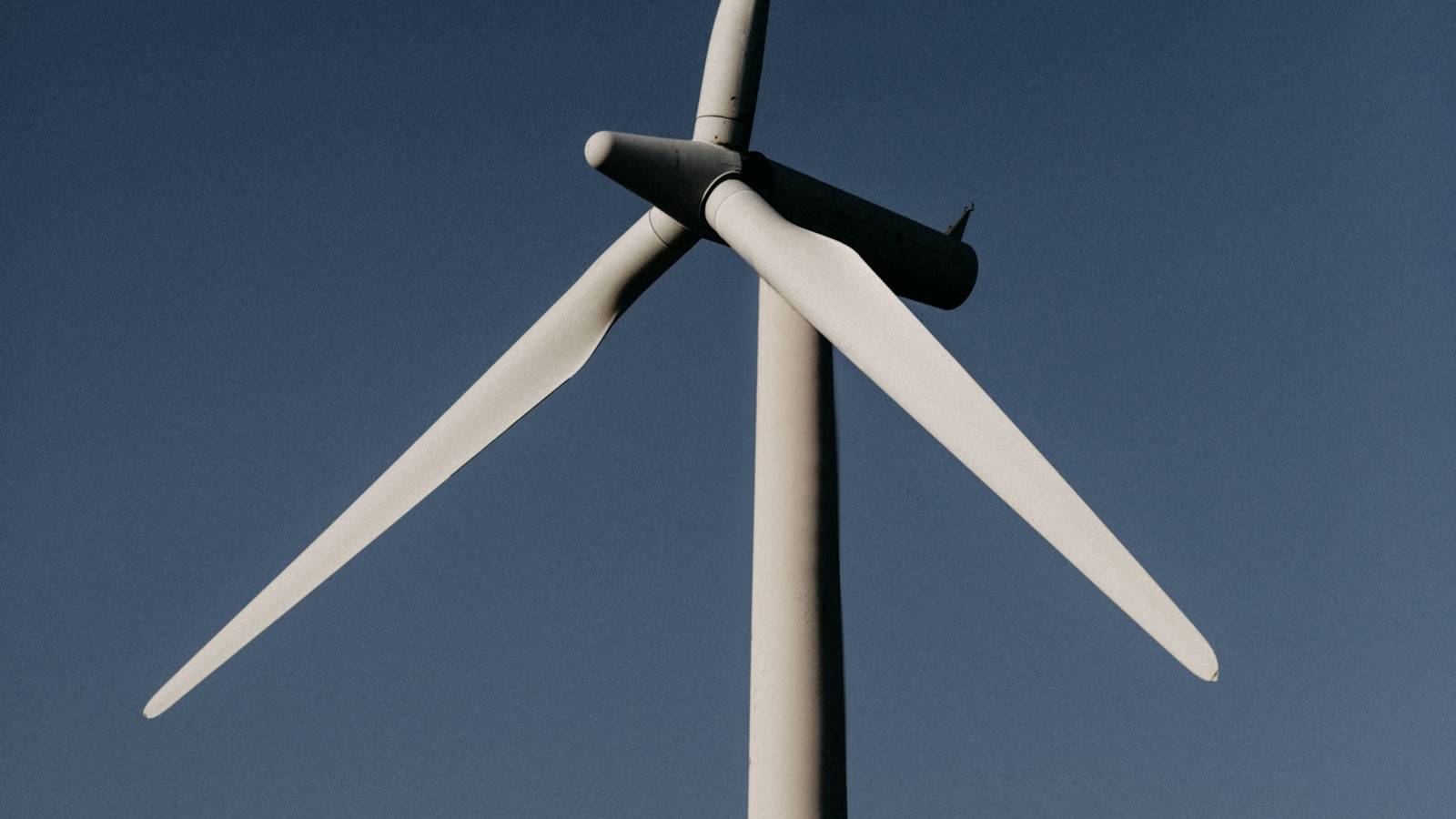
Demand is not the bottleneck. In February 2026, Germany's onshore wind auction received 924 bids totaling 7,858 megawatts of capacity, against a planned tender volume of 3,445 megawatts, with project capacity ready for construction exceeding twice the amount the state intends to award. Qualitas Energy won 126 megawatts across 18 turbines located in Lower Saxony, North Rhine-Westphalia, and Baden-Württemberg, expected to power approximately 84,000 households; the company also holds a 3-gigawatt late-stage project pipeline in Germany.
Capital is likewise not a bottleneck. Ørsted sold its European onshore wind platform to Copenhagen Infrastructure Partners for 1.44 billion euros, a platform encompassing 578 megawatts of operational projects and 248 megawatts under construction across Ireland, the UK, Germany, and Spain. The seller is shifting focus to offshore wind, while the buyer paid this price for onshore wind, solar, and storage—both sides confirming the same fact from opposite directions: these assets are financeable, and bidders are numerous.
The mismatch is most pronounced in Poland. At the European Economic Congress (Katowice), Olga Sypuła, Vice President and Central Europe Regional Manager at European Energy, stated that the investment process has seen no improvement and has never been more difficult, with new obstacles emerging every year. Panelists noted that flight path restrictions and new bird monitoring guidelines are among the hardest obstacles to circumvent.
Grid connection reform was supposed to alleviate the problem. Its stated goals—full transparency, removing speculators, and standardizing procedures—are uncontroversial; the issue lies in implementation. Sypuła assesses that actual changes may be minimal. Today, it is the grid connection queue that determines when a project generates revenue, not turbine prices.
While the approval debate continues, the industrial base is still taking shape. Polish contractor Enprom has won the contract for commissioning the onshore substation for Baltica 2 in Osieki Lęborskie, Choczewo municipality, with a 21-month timeline; the company is already involved in the construction of all four offshore wind farms currently under development in the Polish Baltic Sea. Although the project is offshore wind, its significance lies in local companies learning high-voltage grid connection engineering on a large scale—a capability transferable to onshore wind construction.
Sypuła added a caveat to this. She welcomes the 70% local content requirement but notes that it requires continuity in the investment process and legislation aligned with policy direction; deregulation will not make factories appear overnight—industrial capacity follows a reliable project pipeline, not a single announcement.
To judge whether the gap is narrowing, three points can be observed: whether German auction rounds continue to be massively oversubscribed, which would indicate that the bottleneck has shifted entirely to post-tender stages; whether Polish grid connection reform actually shortens queue times rather than merely re-establishing a queue system; and whether local content shares in Polish projects rise on their own or only under mandatory requirements for specific projects.
None of this has anything to do with turbine costs. With 8.2 euro cents against natural gas costs three to four times higher, wind power technology has already proven itself. What remains is purely administrative, and administrative issues are precisely the ones governments can resolve fastest if they are determined to do so.
Related Products

CITIC Heavy Industries Offshore Wind Power Equipment Hydraulic Pile Hammer
CITIC Heavy Industries Co., Ltd.

Prefabricated Houses and Electrical Energy Boxes
Chengdu Ruilong Machinery Manufacturing Co., Ltd.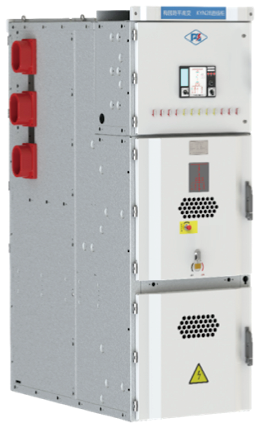
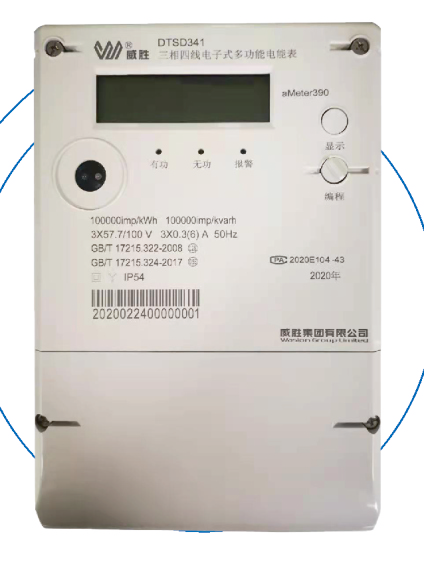
Overseas IEC Gateway Energy Meter - DTSD341/DSSD331-aMeter390
Wasion Group Limited Co., Ltd.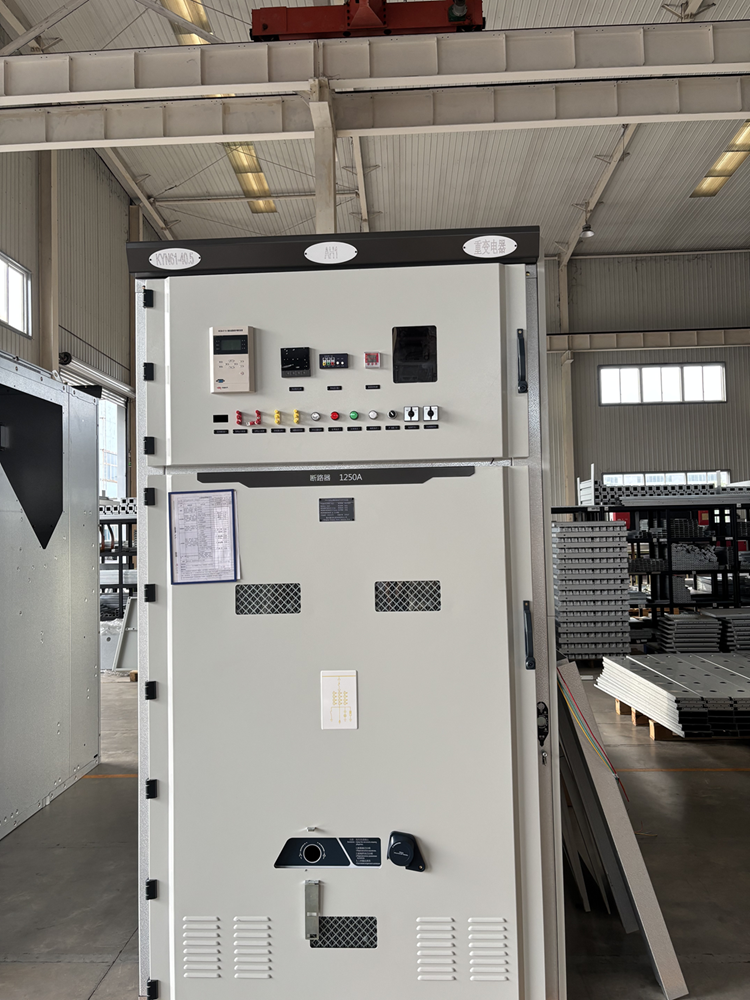
KYN61-40.5 Indoor AC Metal-clad Removable Switchgear
Chongqing Transformer Co., Ltd.