Wedoany.com Report-Jul. 19, China’s demand for wheat in animal feed is expected to exceed the US Department of Agriculture’s (USDA) forecast of 33 million tonnes for the 2025/26 season, driven by tight corn supplies and rising prices, according to the latest China Agriculture Update from Sitonia Consulting. The shift toward wheat as a feed alternative highlights changing market dynamics in China’s agricultural sector.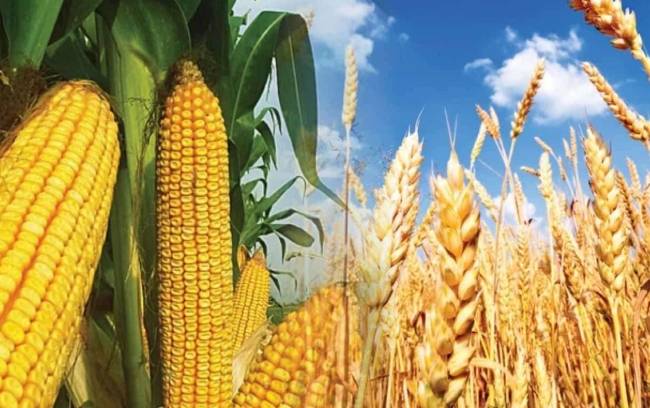
In key regions like Henan Province, wheat and corn prices have nearly converged, making wheat a cost-effective substitute in feed rations. Sitonia Consulting reports that the price gap between the two crops has narrowed to less than $13.95 per tonne, encouraging greater wheat use in feed production. This trend is further supported by a significant decline in China’s corn imports, which have dropped below 500,000 tonnes per month for nearly a year, compared to a previous average of 1.9 million tonnes.
Analysts at Sitonia noted: “Given the limited supply of corn and the current price environment, the USDA forecast for feed use of wheat looks understated and will likely be revised upwards.” The increased reliance on wheat for feed is driven by market conditions rather than grain quality issues, unlike in the 2023/24 season when 37 million tons of wheat were used for feed due to crop damage.
The growing use of wheat in feed reflects China’s efforts to adapt to supply constraints while maintaining stable agricultural output. With corn supplies limited and prices elevated, wheat offers a viable alternative to meet the needs of the livestock sector. This shift is expected to continue through the 2025/26 season, potentially leading to adjustments in USDA projections as market trends evolve.
China’s agricultural sector is navigating these challenges by leveraging domestic wheat supplies to offset reduced corn imports. The trend underscores the flexibility of China’s feed industry in responding to market pressures, ensuring a steady supply for livestock production. As wheat becomes a more prominent feed ingredient, it supports the country’s efforts to maintain food security and agricultural efficiency.
The Sitonia Consulting report highlights the dynamic nature of China’s grain markets, with wheat playing an increasingly important role in addressing feed demand. As corn availability remains constrained, the strategic use of wheat is poised to support China’s agricultural needs through 2026, contributing to a resilient and adaptive feed supply chain.