‘Rethink Everything’ To Crack Middle East Energy Markets
Wedoany.com Report-Nov 11, Viewed from a challenging UK environment, the Middle East – with its enormous natural resources and supportive regimes – can seem like a utopia. The reality is different.
Once upon a time, North Sea relationships could help UK companies enter Middle Eastern markets. Those days are long gone. Companies need to consider how to make such a move, what unique offering they can provide and the local use case, according to experts at an Energy Voice panel at Adipec.
Government direction
More support from the UK government would help.
Stuart Broadley, CEO of the Energy Industries Council (EIC), said there was a “big problem” for UK companies. He mentioned there is a “lack of focus on how to become once again a great trading nation around the world”.
Part of this challenge is supporting the energy industry. “It’s not a good and a bad supply chain, it’s one integrated supply chain,” Broadley said. “Respect that and then focus on trade as the key to drive collaboration … there is an incredible network to be leveraged and currently it’s not.”
The EIC head noted 600,000 UK energy supply chain jobs, accounting for one in 55 jobs and over £200 billion in revenues. “If the UK government think that’s just a domestic set of businesses, they are totally wrong.”
Broadley said policy makers are “not active enough in this space”, a point he will reiterate in an upcoming Energy Voice Out Loud episode.
Xergy Group chair and co-founder James McCallum agreed with Broadley’s assessment. “We’re fighting a battle on home soil, as regards to the protection of jobs, of the supply chain and the very industry we started and grew up on.”
Moving abroad is not a simple solution and competition is fierce. For instance, the biggest pavilion at Adipec this year, with the most exhibitors, was China.
Compelling story
UK companies must consider their strengths, as scale is impossible.
“There’s a very diverse supply chain,” said McCallum. “You’ve really got to know what you’re bringing here, why you’re bringing it here and why you think it’s a compelling story.”
One successful company in the region is Expro. Ingrid Huldal, the director of sustainable energy solutions, said it has experience across wells, but with growth in energy transition and decarbonisation.
“We’ve been doing a lot of work here to reduce methane,” Huldal said, noting the importance of “understanding the route to market”.
Tailoring plans and strategy to the local market is essential, McCallum said. “There’s a cultural aspect of operating here. One of the things I would say you have to learn very quickly is that you can’t just have an office here, you need senior management.”
He said the national oil companies (NOCs) in the region want to meet C-suite executives regularly. He cited Kent as a company that has succeeded in this route, with CEO John Gilley based in the region.
Talking tech
If UK companies cannot compete with Chinese firms on scale, what can they offer? One answer is technology.
Regional demand for technology is becoming sharper, Cammy Booth of the Net Zero Technology Centre (NZTC) said.
“The market here is extremely diligent and they are extremely stringent. They are not going to put money into silly solutions and half-baked ideas,” Booth said. NZTC has worked with Adnoc on various innovation challenges.
Recently, Adnoc’s interests have changed. Booth noted that six years ago, the Abu Dhabi NOC was interested in early-stage innovation, at TRL 3, 4 or 5.
“They’re not so interested in that next wave of technology as they were previously, they weren’t pilotable and scalable. Now, they’re looking for TRL 6, 7 or 8 technologies that are ready to be deployed,” Booth said.
Huldal explained that Expro had a way in via technology. The company bought Coretrax early this year, which has worked for Aramco.
“That was with a niche technology, you need to have that understanding of the market but also a technology that can get you across the line,” she said.
Finding partners for the Middle East
Another challenge is understanding the local market. Huldal said Expro had experience of working with local partners to meet local content requirements.
NZTC’s Booth agreed on the importance. “Truthfully one of the first questions we’re asked is what is your [in-country value] ICV score. If it’s poor, then what is your plan to improve it?”
Without a plan, companies will simply be unable to access the market.
NZTC has partnered with a local company, Euro Mechanical, to deliver decarbonisation and innovation to the region.
“A lot of Scottish and UK companies arriving here see lots of activity is happening but they don’t necessarily understand the market. For that reason, strong partnerships and really trusted strong advisors are really important.”
Related Products



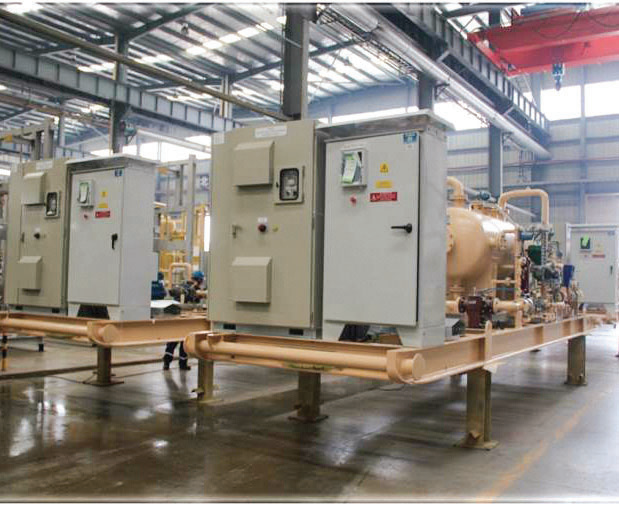

Quick-Change Single-Seat Control Valve / Quick-Change High-Pressure Single-Seat Control Valve
Beijing Consen Automation Technology Co., Ltd.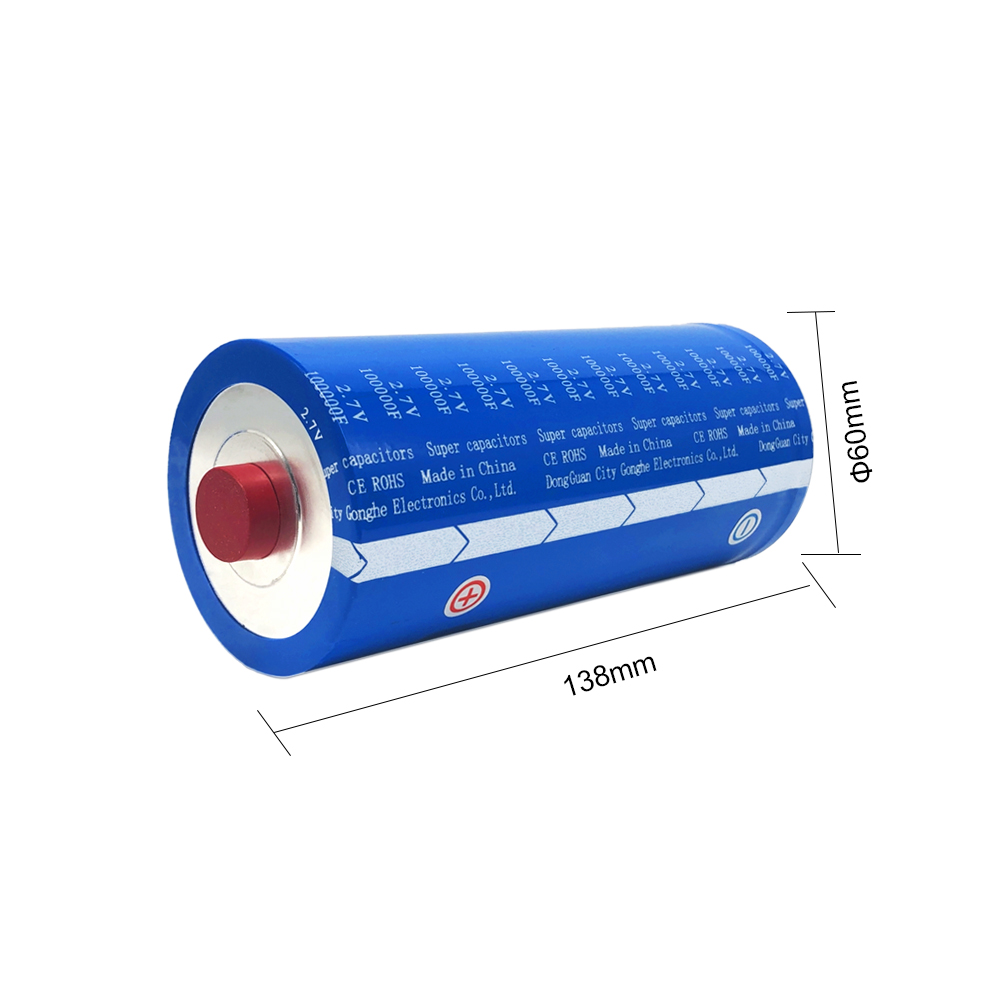
2.7V 100000F (60wh) 60138 high-power energy storage power starting power supply (instantaneous high current), low-temperature discharge, long service life, 100000 times of use
Gonghe Power Co.,LTD
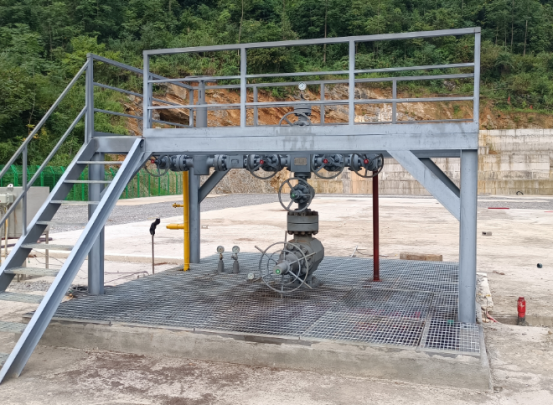
Surface-Driven Screw Pump Oil Production System
Shandong Weima Pumps Manufacturing Co., Ltd.