Wedoany.com Report-Aug. 12, Chilean startup Neocrop Technologies, in partnership with Campex Baer of Chile and Argentina’s Buck Semillas, has developed a groundbreaking gene-edited wheat variety. This new wheat offers five to ten times more dietary fiber than conventional flour wheat, while maintaining the traditional taste, texture, and quality of white flour. The innovation was achieved using CRISPR gene-editing technology, marking a significant advancement in agricultural biotechnology.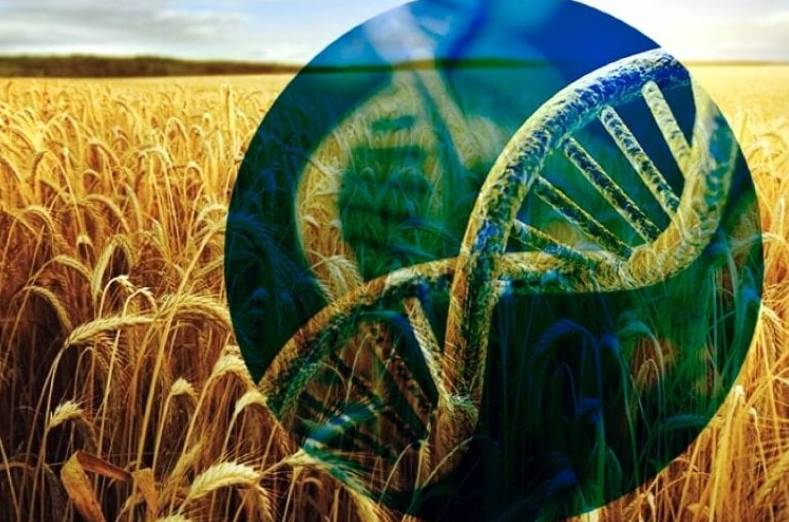
On July 25, 2025, Chile's Agricultural and Livestock Service (SAG) officially confirmed that the new wheat lines are not classified as Genetically Modified Organisms (GMOs). This ruling, the first of its kind in the Americas, allows for the field cultivation of the gene-edited wheat without additional regulatory barriers. It positions Chile as a leader in the use of gene-editing technology for agriculture.
The new wheat variety developed by Neocrop Technologies addresses a major dietary concern in countries like Chile and Argentina, where refined flour products are prevalent but often lack sufficient dietary fiber. With its significantly higher fiber content, the wheat could help promote healthier diets and reduce common health issues related to fiber deficiency. The variety also retains the desirable qualities of traditional wheat, making it an attractive option for consumers and producers alike.
The project has already achieved several key milestones, including laboratory validation and a provisional patent filing in 2024. Field trials are set to begin in 2025/2026, bringing the gene-edited wheat closer to commercial production. Neocrop Technologies is working closely with Argentina's regulatory body, CONABIA, and has plans to expand its efforts to Brazil and the United States, potentially reshaping the global wheat market by offering a healthier alternative.
This advancement is expected to open new opportunities for farmers, as the wheat's higher fiber content could make it an appealing product for both domestic consumption and export. It also signals a broader trend of innovation in food biotechnology that could have significant global implications.