Malaysia Launches Nuclear Energy Feasibility Study
Wedoany.com Report-Aug. 24, The Malaysian government, through the Ministry of Energy Transition and Water Transformation (PETRA), announced on August 2 a feasibility study to explore nuclear energy as a clean, stable, and cost-effective component of the country’s future energy mix. This follows the presentation of the 13th Malaysia Plan (2026-2030) by Prime Minister Datuk Seri Anwar Ibrahim on July 31, emphasizing energy diversification and sustainability.
The study, coordinated by MyPOWER Corporation under PETRA, aligns with guidelines from the International Atomic Energy Agency (IAEA). It involves a technical committee across various ministries to ensure a comprehensive approach, focusing on legal frameworks, stakeholder engagement, and human resource development. “This initiative takes into account the need to diversify energy sources, strengthen long-term energy security, support carbon emission reduction targets, and reduce dependence on fossil fuels, in line with the country’s climate change commitment and increasing energy demand,” PETRA stated.
No decisions have been made regarding the implementation, technology, or capacity of potential nuclear reactors. “The government’s priority at this time is to ensure that any future considerations are based on comprehensive technical analysis and in line with national development priorities and comply with international obligations,” the ministry noted. The study adheres to the IAEA Milestones Approach to guide its development process.
At the 5th International Green Build Conference in Petaling Jaya on August 19, Deputy Prime Minister and PETRA Minister Datuk Seri Fadillah Yusof highlighted that the study targets regions with limited renewable energy options, identifying Peninsular Malaysia and Sabah as potential sites for nuclear power plants. “Sabah’s energy generation is limited due to its constrained hydro and solar capacities, which must be supplemented with batteries,” he said, as reported by The Vibes Dotcom. “We also have biomass and biogas sources, but these too are limited. We therefore need to explore other stable energy sources for both Peninsular Malaysia and Sabah.”
The study will assess regulatory requirements, including necessary amendments to existing laws, nuclear safety, security, and public engagement to foster acceptance. “We are also working together to ensure that human capital development will be one of the areas that we focus on, not only in terms of technology but also from the enforcement perspective,” Fadillah added, according to Bernama. This initiative aims to support Malaysia’s energy security and environmental goals while promoting sustainable economic growth through a balanced and inclusive approach.
Related Products

Mars (Liquid Cooling) Series Industrial and Commercial Energy Storage Converter High Protection Module
Shenzhen Winline Technology Co., Ltd.
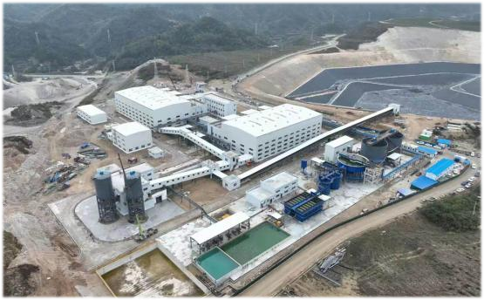
Yingping Mining Section Open-pit Tailings Backfill Treatment of Goaf Ecological Restoration EPC Project
China Bluestar Lehigh Engineering Corporation

HI-Pro Green Hydrogen High-efficiency Production System-HI-PRO-AEM
Hydrizon Technology (Beijing) Co., Ltd.

CAP1400 main feedwater flow nozzle flowmeter.
Jiangsu Hongda Instrument Technology Co., LTD.
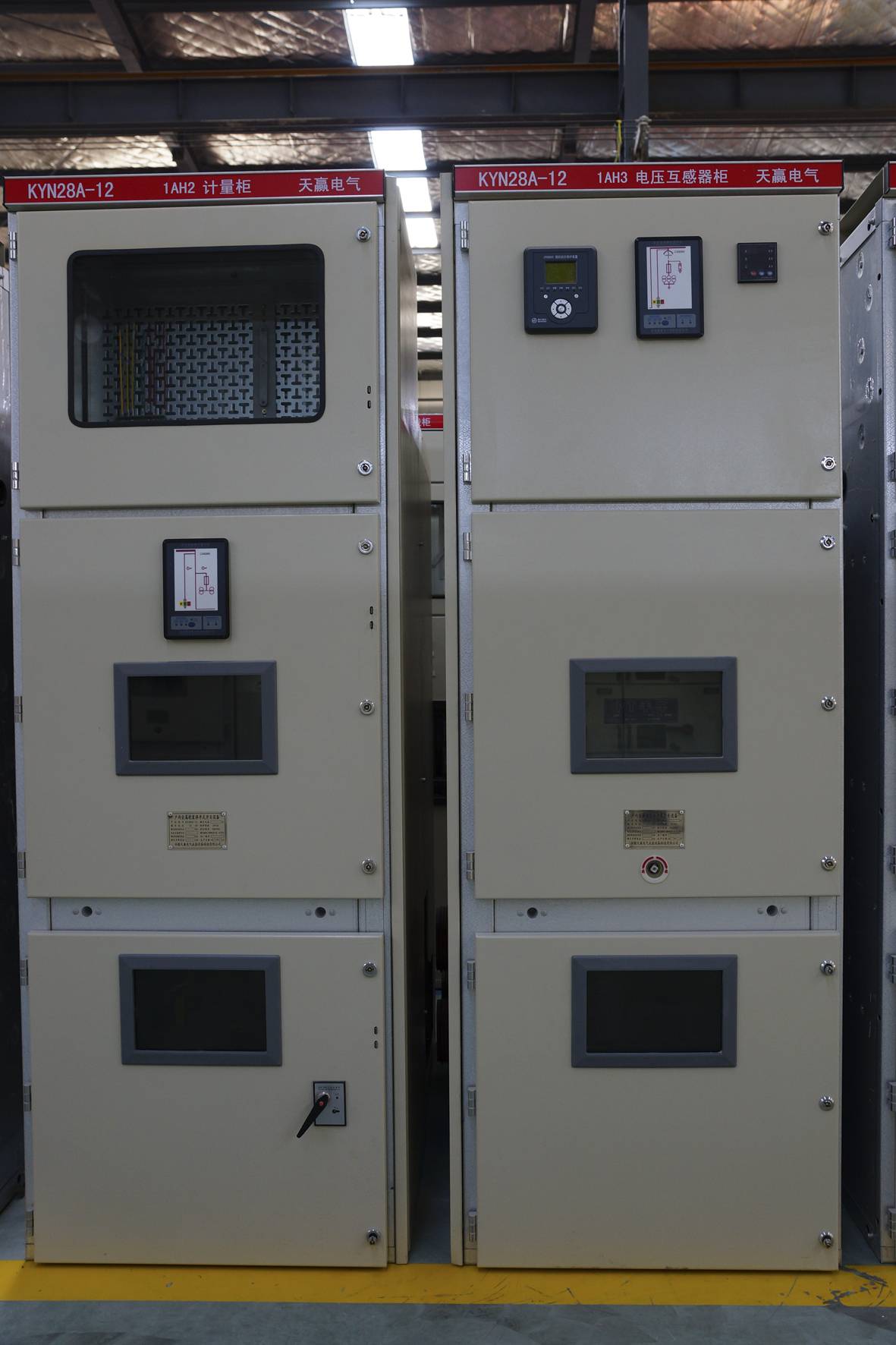
KYN28 - High Voltage Switchgear
Anhui Tianying Electrical Equipment Manufacturing Co., Ltd.