Tidewater Targets 2026 for Final Investment Decision on SAF Project
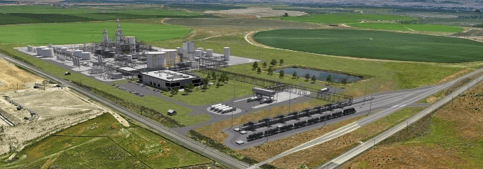
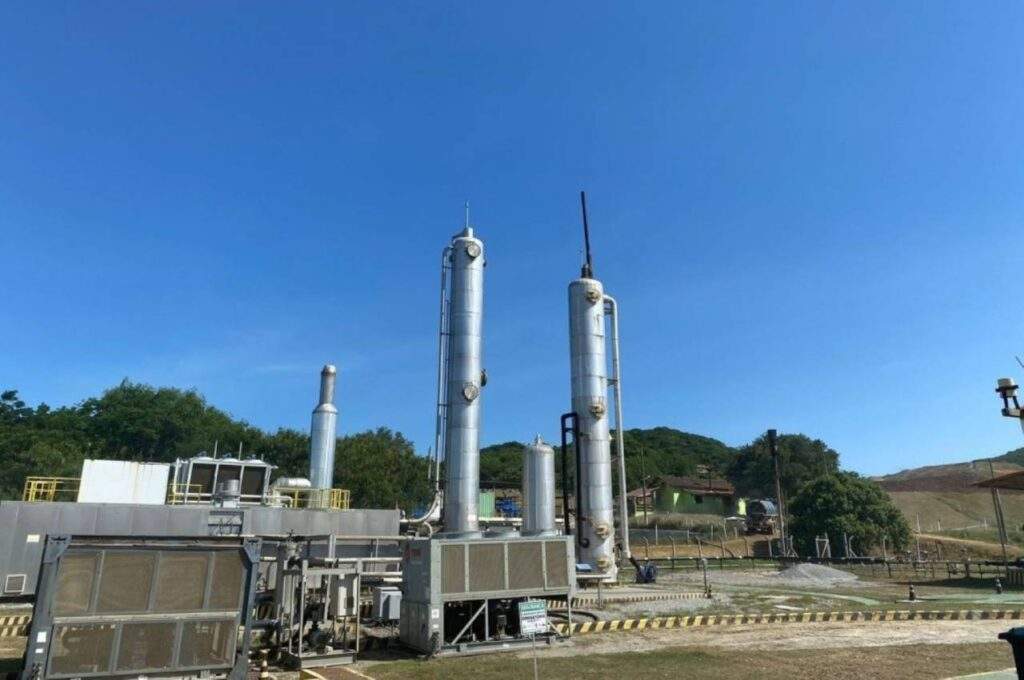
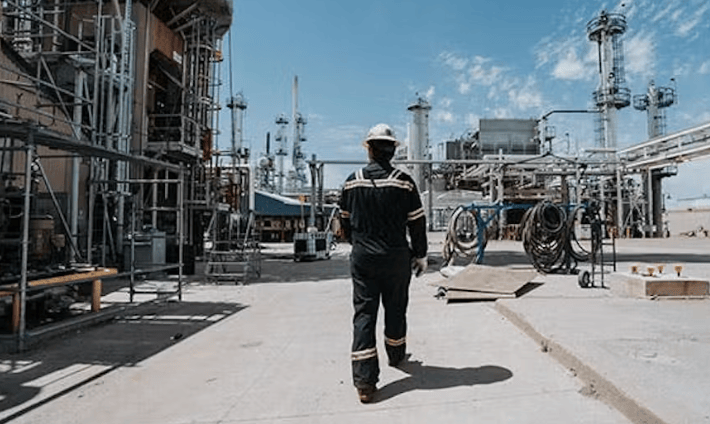
Wedoany.com Report-Aug. 20, On August 14, Tidewater Renewables announced that its renewable diesel and renewable hydrogen (HDRD) complex in British Columbia operated at 72% of its design capacity during the second quarter, producing 2,164 barrels per day. This marks a decrease from the 2,925 barrels per day, or 98% capacity, achieved in the same period of 2024. The company also outlined plans to expand the facility to include sustainable aviation fuel (SAF) production, with a final investment decision targeted for 2026.
The production dip was primarily due to a minor fire on April 1 at the main renewable diesel unit, which was quickly contained and isolated. “The event was managed safely, and repairs were completed using on-hand spare parts,” said Jeremy Baines, CEO of Tidewater. Operations resumed on April 14, reaching 2,850 barrels per day, or 95% capacity, by June. For the full year, Baines projects renewable diesel output to average 2,200 to 2,400 barrels per day, factoring in a planned third-quarter maintenance turnaround.
Tidewater is advancing a 6,500-barrel-per-day SAF project at the same British Columbia facility. The front-end engineering design is complete, and on August 14, the company received approval from the British Columbia government to amend its initiative agreement, securing additional Low Carbon Fuel Standard (LCFS) credits to support further development. “These credits are specifically intended to fund the work required to reach a final investment decision for the SAF project,” Baines noted, with the decision expected in 2026.
Recent updates to the BC LCFS, announced in February, increased the renewable fuel requirement for diesel from 4% to 8% and prioritized Canadian-produced renewable fuels, enhancing Tidewater’s financial outlook. The company reported a second-quarter net income of $13 million, a 165% increase from 2024, and adjusted EBITDA of $10.7 million, up 63%.
The HDRD complex and planned SAF expansion demonstrate Tidewater’s commitment to sustainable energy production in British Columbia. By leveraging government support and improving operational efficiency, the company aims to meet growing demand for renewable fuels while contributing to regional economic growth and environmental sustainability.
Related Products

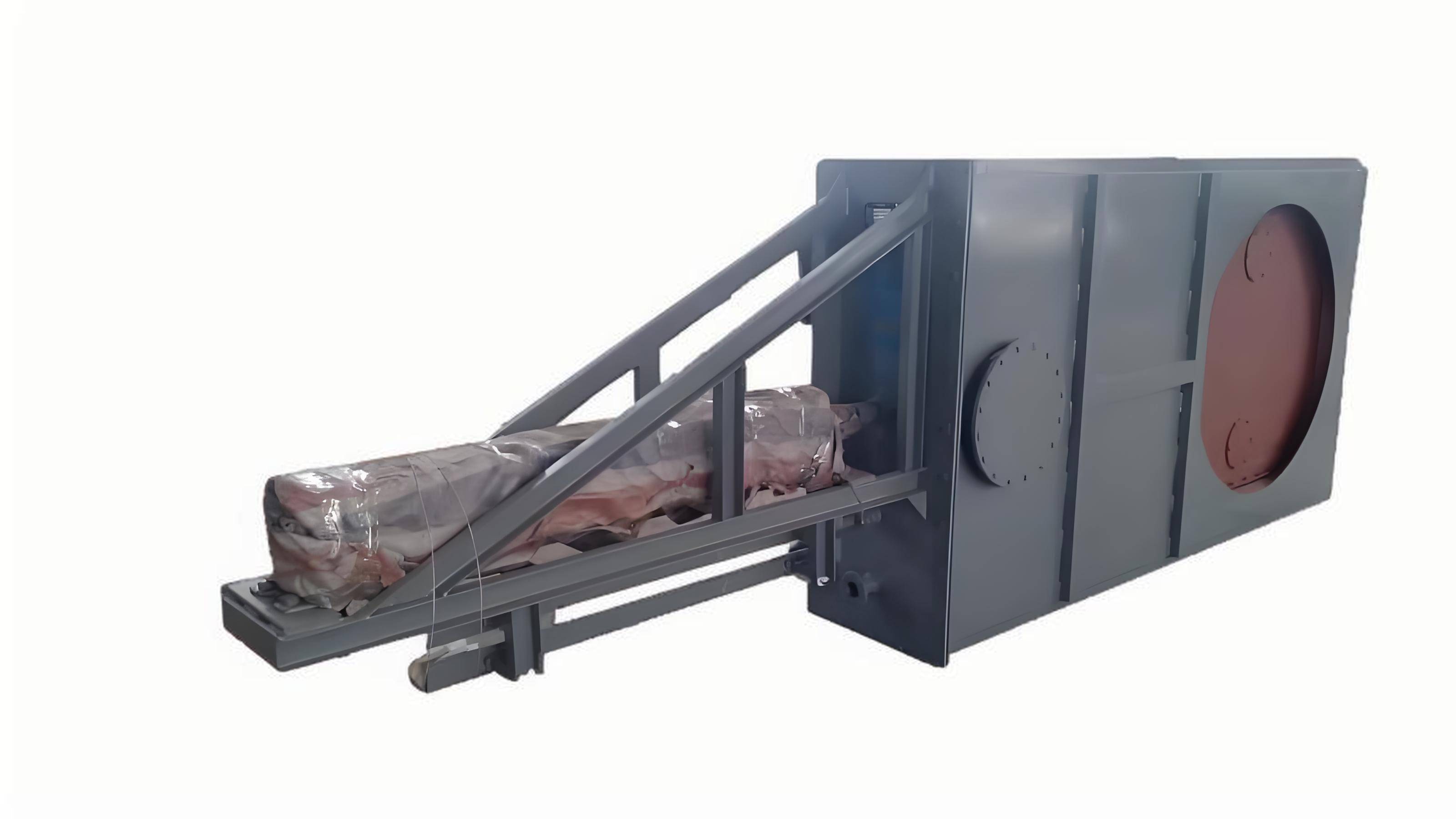
Double-slide Triple-sealed Hot Air Isolation Door
Xi'an Yingchuan Electric Power Equipment Co., Ltd.
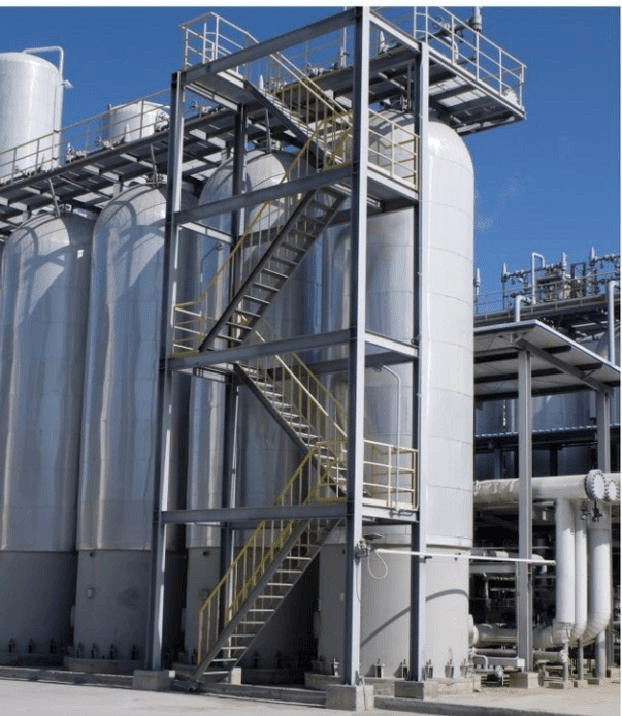
Hydrogen Production Technology: Hydrogen Purification by Pressure Swing Adsorption
Chengdu Yizhi Technology Co., Ltd.
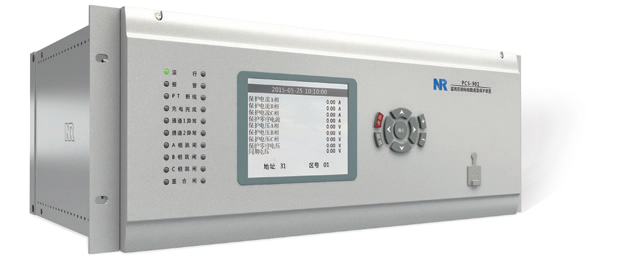
PCS-901 Series Ultra (Extra) High-voltage Transmission Line Complete Protection Device
Nanjing NR Electric Co., Ltd.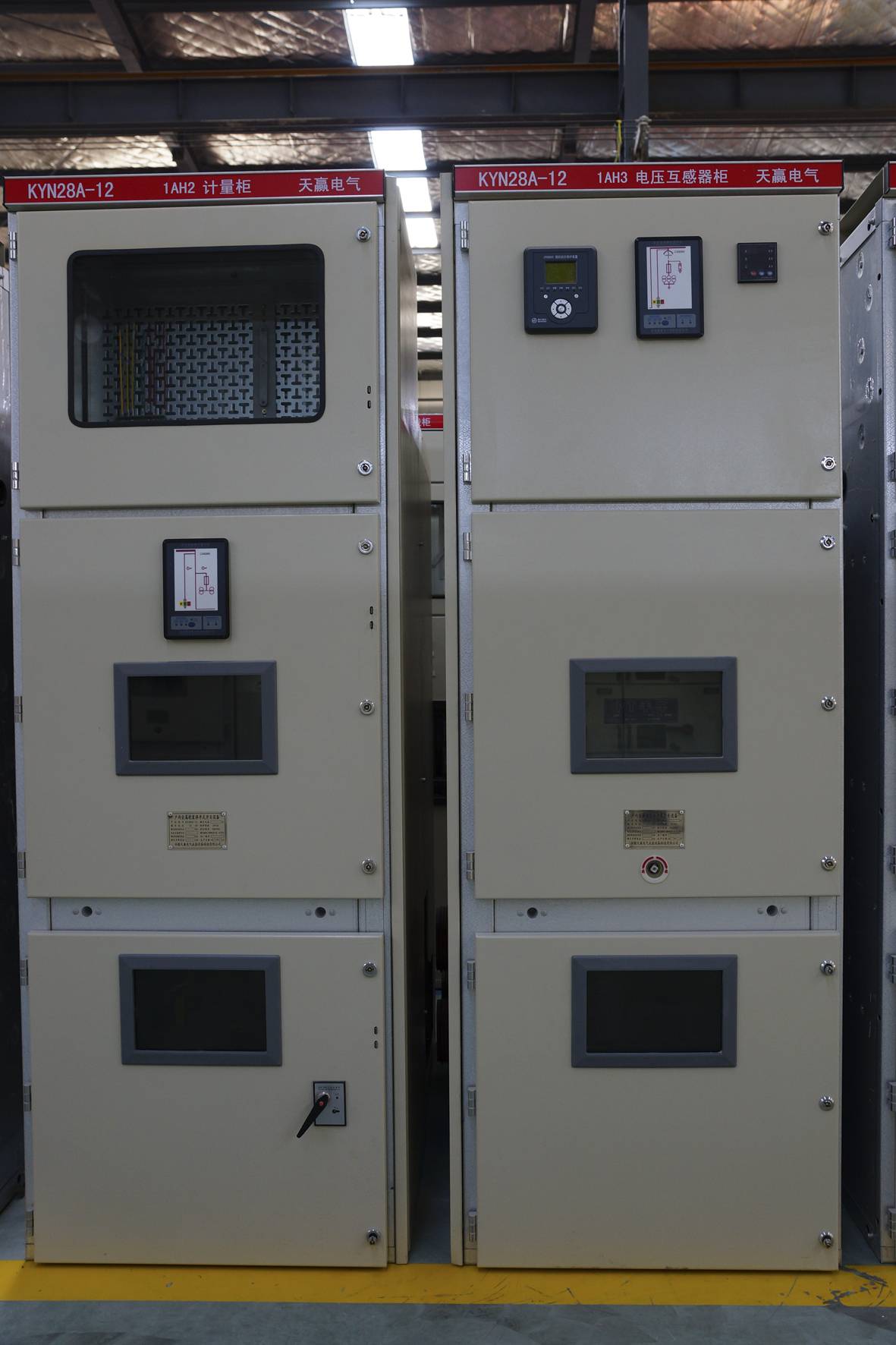
KYN28 - High Voltage Switchgear
Anhui Tianying Electrical Equipment Manufacturing Co., Ltd.
Industrial and Commercial Point-Type Gas Detector
Jinan Benan Technology Development Co., Ltd.