Wedoany.com Report-Sept. 14, The European Union has officially recognized Brazil as a bird flu-free country, enabling the resumption of chicken meat exports from Brazil to EU member states. The announcement was made by Brazil’s Minister of Agriculture, Carlos Favaro, through social media, following a teleconference with Minister of Fisheries and Aquaculture Andre de Paulo and EU Commissioner for Animal Health and Welfare, Oliver Varhela.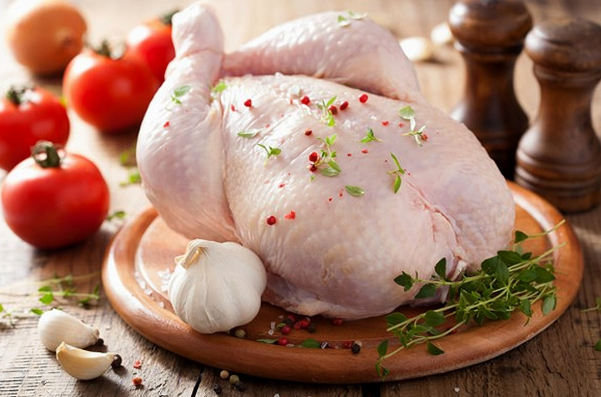
According to the European Commissioner, Brazil’s agricultural authorities provided the necessary data confirming the absence of highly pathogenic avian influenza in the country. Oliver Varhela stated: “In practice, this means that we will move forward together with the member states with a proposal to gradually lift bans and restrictions on exports from Brazil, gradually restoring the list of regions.”
The recognition marks an important step for Brazil’s poultry industry, which has been seeking to regain full access to the European market after restrictions were imposed due to bird flu concerns. Industry data from the Brazilian Animal Protein Association (ABPA) shows that before the outbreak affecting industrial livestock, the EU imported 125,300 tons of chicken meat from Brazil during January to June. This represented a 20.8% increase compared to the same period in the previous year, highlighting the significance of the European market for Brazilian poultry exports.
Brazil is one of the largest global suppliers of chicken meat, and access to the EU market strengthens its position in international trade. The decision also reflects the EU’s recognition of Brazil’s monitoring systems, disease control measures, and data transparency related to animal health. These factors were key in granting the status of bird flu-free and in building confidence among European regulators.
The gradual lifting of restrictions will allow Brazilian exporters to resume shipments to different EU regions, supporting trade recovery and benefiting both producers and importers. The phased approach ensures that export conditions align with animal health standards while addressing concerns from member states.
The Ministry of Agriculture of Brazil emphasized that restoring access to the European market provides an opportunity to increase export volumes, strengthen trade relations, and deliver value to domestic producers. The cooperation between agricultural and fisheries authorities in Brazil, together with European regulators, has been described as a coordinated effort aimed at securing long-term stability for the poultry trade.
The recognition is also expected to improve predictability in trade flows, contributing to the stability of international poultry markets. For Brazil, it represents a positive development in consolidating its role as a reliable supplier to global buyers. For the EU, it offers a chance to diversify supply sources and ensure food security through stable imports of poultry products.
With this agreement, Brazil is positioned to gradually expand its poultry exports to the EU, while both sides maintain ongoing communication to monitor conditions and ensure compliance with health and safety standards. This step demonstrates how transparent cooperation and regulatory alignment can support trade recovery and create mutual benefits for both exporters and importers.