Wedoany.com Report-Oct. 26, Singapore’s Energy Market Authority (EMA) has granted conditional approval to Sembcorp Utilities Pte. Ltd. to import 1 GW of low-carbon electricity from Malaysia. Under the agreement, Sembcorp Utilities will collaborate with its consortium partner, Sarawak Energy Berhad, to import electricity generated from hydropower sources in the Malaysian state of Sarawak to Singapore.
EMA stated that its preliminary assessment found the consortium’s proposal technically and commercially viable. The project partners are now required to obtain necessary approvals from relevant authorities in both jurisdictions before proceeding. The conditional approval allows EMA to provide regulatory support for the project’s continued development. Commercial operations are expected to begin around 2035.
In its statement, EMA emphasized that it will continue to engage with companies that submit “credible and commercially viable import proposals” to support Singapore’s efforts to decarbonize its power sector. Singapore’s energy system currently depends heavily on imported fossil fuels, but the government aims to diversify its energy mix through low-carbon and renewable sources.
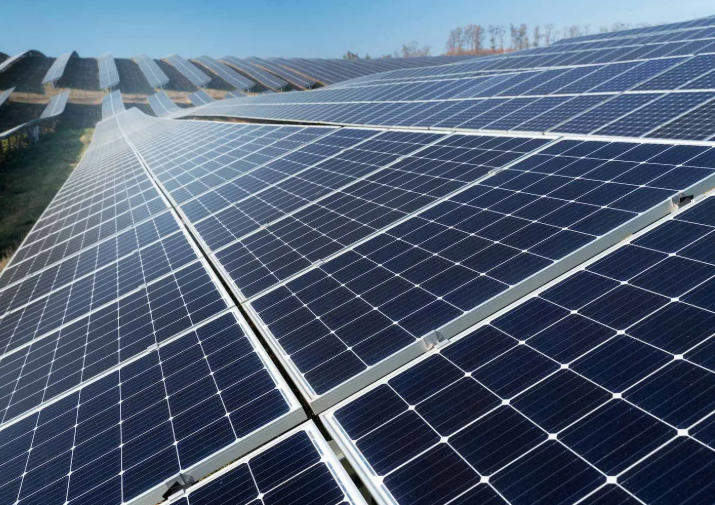
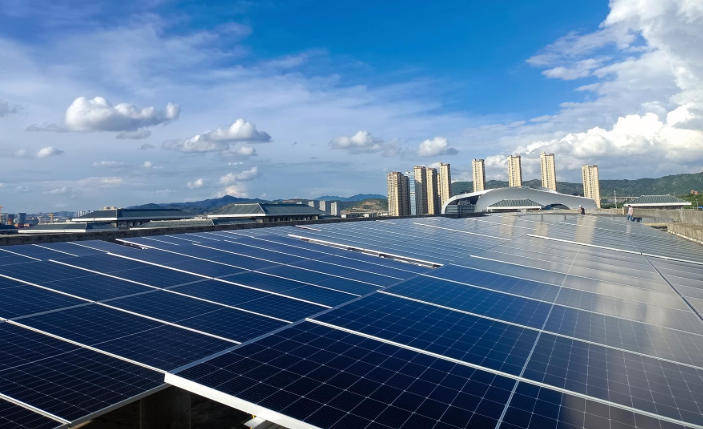
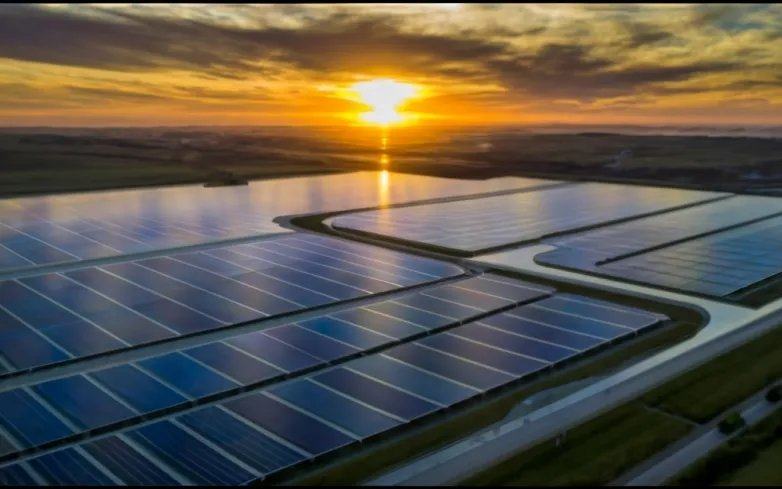
According to the International Solar Energy Society, Singapore could also import solar power from neighboring countries such as Indonesia, Malaysia, Thailand, and Australia through undersea high-voltage direct current (HVDC) cables. These potential connections would enable greater regional energy cooperation and help Singapore achieve its clean energy goals.
This latest approval follows similar initiatives in the region. In September 2024, EMA conditionally approved a collaboration between Shell and Vena Energy to export 400 MW of solar power from Indonesia’s Riau Islands to Singapore. In June 2025, Singapore and Indonesia signed an agreement to develop a solar panel manufacturing industry in the Riau Islands, forming part of a broader plan to establish cross-border clean energy trade between the two countries.
A recent report by the International Energy Agency (IEA) highlighted that regional integration of solar and wind energy will be essential to meet Southeast Asia’s growing electricity demand. The report also noted that cooperation among neighboring countries will enhance energy security and efficiency across the region.
The Sembcorp–Sarawak project represents a significant step toward regional energy collaboration and supports Singapore’s target of importing up to 4 GW of low-carbon electricity by 2035. By combining hydropower imports from Malaysia with potential solar power imports from Indonesia, Singapore aims to strengthen its renewable energy infrastructure while reducing dependence on fossil fuels. The initiative aligns with the nation’s broader goal of achieving net-zero emissions by 2050 through cleaner and more sustainable power generation.