Brazil leads in EU soybean imports
Wedoany.com Report-Oct. 27, Soybeans remain the European Union’s leading oilseed import, far surpassing rapeseed in volume, according to the latest data from the EU Commission. While soybeans are primarily used to address the EU’s feed protein shortage, rapeseed imports mainly serve the demand for oil production, particularly for biofuels. For biofuel purposes, sustainability and proof-of-origin certificates must be submitted, in contrast to soybeans used for animal feed.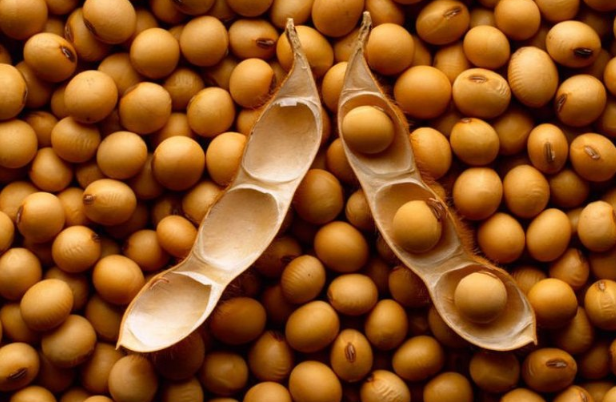
In the first three months of the 2025/26 season, spanning from July to early October 2025, the EU imported nearly 3.3 million tonnes of soybeans. This marks a decline of about 129,000 tonnes compared with the same period in the 2024/25 season. Despite the drop, soybeans continue to play a key role in the EU’s agricultural and industrial supply chains.
Brazil and the United States remained the EU’s top soybean suppliers. However, shipments from Brazil decreased significantly, with 1.8 million tonnes delivered during the period — about 14% lower than last year — reducing Brazil’s share of total EU soybean imports to 56.3%. Despite this decline, Brazil remains the EU’s largest source of soybeans.
Meanwhile, imports from the United States increased by around 7% to 970,700 tonnes, boosting its share of the EU market to 29.6%. Growth from Ukraine was even stronger, with shipments rising about 45% to 345,200 tonnes. Imports from Canada and Togo also showed modest increases, although on a smaller scale.
Market analysts noted that until mid-September, soybean imports had been higher than the same period a year earlier. This was largely due to stockpiling ahead of the anticipated implementation of the EU Deforestation Regulation (EUDR), which was initially expected to take effect by the end of 2025. The regulation aims to ensure that agricultural imports such as soybeans and palm oil are not linked to deforestation.
However, imports slowed once the regulation’s enforcement was postponed. Market participants and industry associations welcomed the delay, citing concerns about readiness and administrative burdens. The EU Commission postponed the regulation mainly due to technical issues, including doubts about the reliability of the central database and the preparedness of member states’ IT systems.
Industry observers expect soybean import trends to remain stable in the near term, with Brazil and the US continuing as the EU’s primary suppliers. At the same time, diversification of sources, including Ukraine and Canada, is likely to increase as importers adjust to future regulatory and sustainability requirements.
Related Products

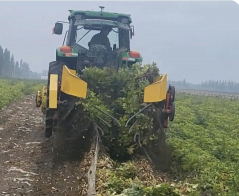
4HS-8 High-efficiency Peanut Inverted-laying Harvester
Hebei Yongfa Hongtian Agricultural Machinery Manufacturing Co., Ltd.
Industrial and Commercial Point-Type Gas Detector
Jinan Benan Technology Development Co., Ltd.

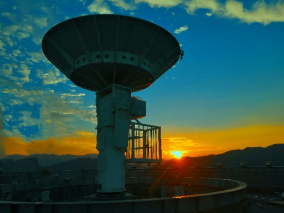
714CD Series C-Band Weather Radar
Chengdu Zhongdian Jinjiang Information Industry Co., Ltd.