I-40 Highway Repairs Delayed
Wedoany.com Report-Oct. 27, Repair work on the I-40 highway in North Carolina, damaged by Hurricane Helene in September 2024, is now expected to continue until 2028, with total costs projected at $1.6 billion. The section of the highway affected lies in Pigeon River Gorge, where severe flooding caused extensive damage to the roadway and surrounding infrastructure.
Repairs to I-40 in North Carolina and Tennessee will take until 2028 to complete
According to the North Carolina Department of Transportation (NCDOT), a new causeway has already been constructed as part of the ongoing restoration project. However, significant portions of the repair work remain unfinished due to the scale of the damage and the complexity of the terrain in the affected area. The project aims to fully restore this critical transportation route, which serves as an important link between North Carolina and Tennessee.
The restoration effort is being jointly managed by multiple agencies. NCDOT is overseeing the repair work within North Carolina, while the Tennessee Department of Transportation (TnDOT) is responsible for repairs on the Tennessee side of the I-40 corridor. Both state agencies are receiving technical and financial assistance from the Federal Highway Administration (FHWA) to ensure the project meets national safety and engineering standards.
Officials noted that the flooding caused by Hurricane Helene led to the collapse of several roadway sections, requiring not only surface reconstruction but also reinforcement of embankments, drainage systems, and bridges. The long project timeline reflects the extensive nature of these works, which involve environmental mitigation measures and slope stabilization efforts to prevent future flood-related damage.
In addition to the ongoing repair program, state officials are evaluating a separate plan to add toll lanes along a 25.6-kilometer section of I-40 in North Carolina, stretching from Exit 27 to Exit 44. Estimated to cost $700 million, the proposed project would widen the highway to improve traffic flow and reduce congestion in the region.
The NCDOT stated that toll revenue would provide the primary funding source for this expansion, minimizing reliance on state and federal budgets. The proposal is currently under consideration, with transportation planners assessing the feasibility, environmental impact, and potential public response before moving forward.
Together, these infrastructure projects represent a major investment in North Carolina’s highway system. When completed, they are expected to enhance regional connectivity, support economic activity, and improve the overall resilience of critical transportation routes against future natural disasters.
Related Products



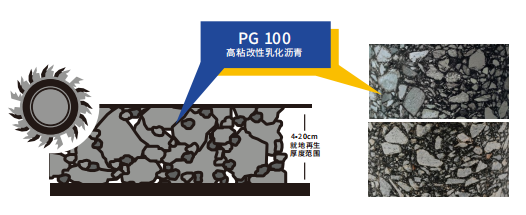
High-toughness in-Situ Cold Recycling Technology for Original Structural Layers
Central Fortune Creation Technology Group Co., Ltd.

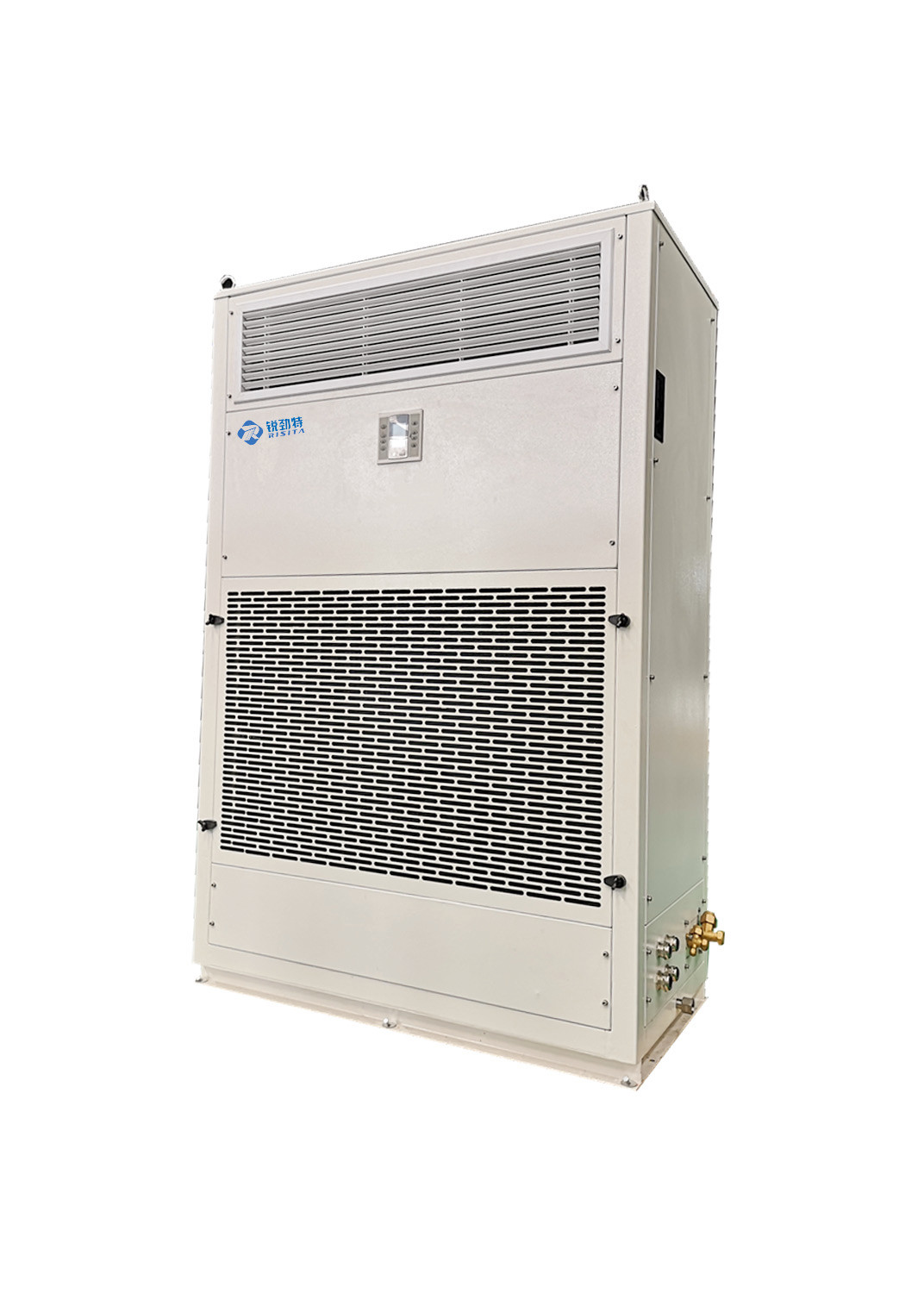
RISITA explosion-proof air conditioning
Guangdong RISITA Air Conditioning Equipment Co.,Ltd.


ERW Welded Pipe (Black Pipe and Hot-dip Galvanized Steel Pipe)
Handan Zhengda Steel Pipe Co., Ltd.
Pure Polyurethane Wall Panel BD-AEF-PIR-01
Baodu International Engineering Technology Co., Ltd.