Samsung Beefs up Advanced Chip Output After Memory Chip Sales Hit Record High
Wedoany.com Report-Oct. 30, Samsung Electronics announced a strong rebound in its semiconductor business, driven by surging global demand for memory chips used in artificial intelligence (AI) infrastructure. The company reported record quarterly revenue from its key memory segment and said it plans to focus on mass-producing its most advanced chips to capture growing opportunities in the AI market.
A Samsung Galaxy Z Flip 7 phone are displayed during an event in New York, U.S., July 8, 2025.
As the world’s largest memory chipmaker, Samsung stated that it will expand production of high-bandwidth memory (HBM) chips—crucial components in AI chipsets—and sharply increase capital spending next year to meet rising demand. Kim Jaejune, executive vice president of Samsung’s memory business, told analysts: “It is expected that customers’ demand for the next year will exceed our supply, even considering our investment and capacity expansion plan.” He added that memory demand would be “much stronger and faster than usual,” likely driving price increases across the market.
Following the announcement, Samsung’s shares rose by as much as 5.3%, outperforming the 0.9% gain of South Korea’s benchmark KOSPI index. The company’s optimistic outlook follows a challenging period of sluggish performance as it sought to catch up with competitors in the rapidly expanding AI chip sector.
Samsung’s strong forecast aligns with that of its domestic rival SK Hynix, which recently predicted an extended “super cycle” for the semiconductor industry due to the global AI boom. SK Hynix has already sold out its chip supply for next year, indicating that the shortage in AI-related semiconductors is likely to persist.
Kim noted that the shift toward advanced AI chips has tightened supply for conventional memory used in mobile devices and personal computers. “The supply limitations are expected to persist into next year,” he said. Despite these challenges, Samsung’s semiconductor division—its primary source of profit—recorded an operating income of 7 trillion won ($4.92 billion) in the third quarter, up 80% year on year. Its memory business generated a record 26.7 trillion won in revenue, compared to 22.3 trillion won in the same period last year.
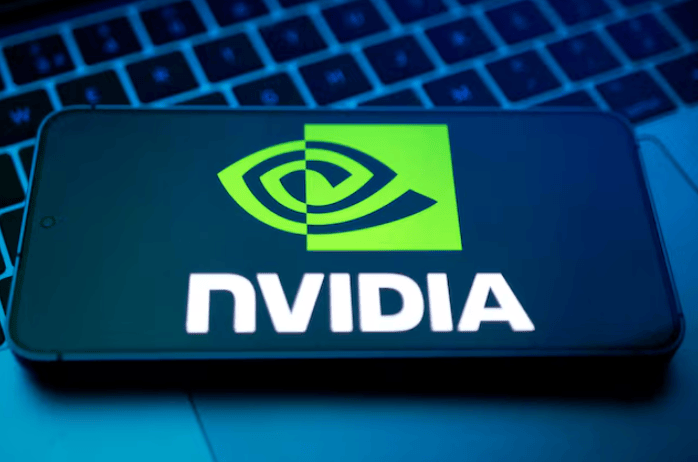
Samsung confirmed that its current-generation HBM3E chips are being sold to “all related customers,” a sign that it is supplying advanced 12-layer HBM3E products to AI industry leaders such as Nvidia. The company said: “Looking ahead to Q4, the rapid growth of the AI industry is expected to open up new market opportunities.”
The tech industry has seen major AI infrastructure investments in recent months from companies such as OpenAI, despite ongoing debates over long-term profitability. Samsung, which produces smartphones, televisions, displays, and home appliances in addition to semiconductors, has benefited from a recovery in conventional chip prices as supply tightens and data centre demand increases.
While Samsung was slower than some competitors to benefit from the early stages of the AI boom, its latest results and expansion plans signal a decisive shift to strengthen its position in the global semiconductor market as the industry transitions into the AI-driven era.
Related Products


Automatic Aiming Laser Remote Obstacle Removal Robot
Pinggao Group Weihai High-Voltage Apparatus Co., Ltd.
GYTA Type Non-Self-Supporting Aerial/Duct Optical Cable
TONGDING INTERCONNECTION INFORMATION CO., LTD.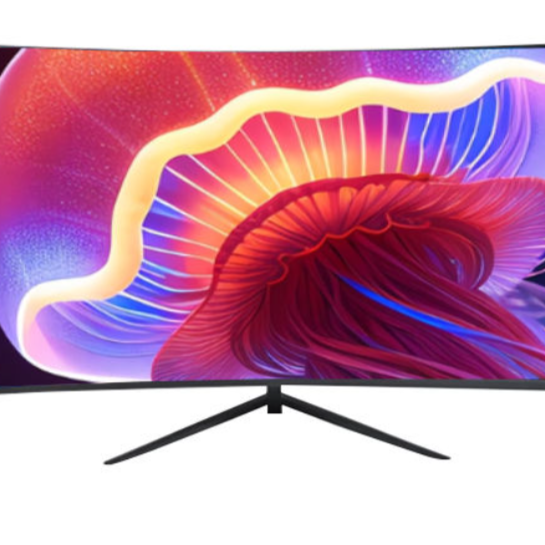
20 Inch 1600*900 Full HD 60Hz TFT LED Monitor with VGA and DP Interfaces for Desktop Computers-Business Use
Guangzhou Zanying Optoelectronics Technology Co., Ltd.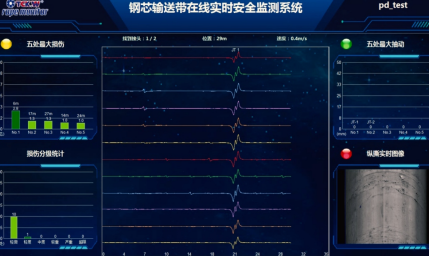
Conveyor Belt Intelligent Monitoring System
LUO YANG WIRE ROPE INSPECTION TECHNOLOGY CO., LTD.