Zimbabwe Harvests 578,000 Tonnes of Wheat, Surpassing National Demand
Wedoany.com Report-Oct. 30, Zimbabwe has achieved a historic milestone in wheat production, harvesting 578,059 metric tonnes during the 2025 winter season, exceeding both last year’s record and the country’s annual wheat requirement of 360,000 tonnes. The achievement was announced by Lands, Agriculture, Fisheries, Water and Rural Development Minister Anxious Masuka, who highlighted it as evidence of Zimbabwe’s strengthened agricultural capacity and food self-sufficiency.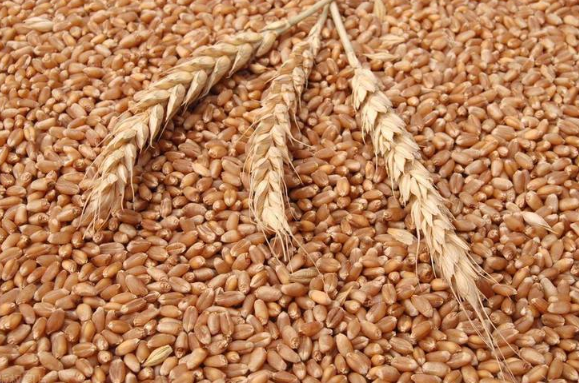
“From a modest volume of 94,685 metric tonnes in 2019, to 562,091 metric tonnes in 2024, Zimbabwe is only one of two jurisdictions on the African continent that have become wheat self-sufficient,” Masuka said. The country now joins Ethiopia in achieving full wheat self-sufficiency.
The 2025 season saw 122,566 hectares planted, with an additional 12,023 hectares still to be harvested by early November. This represents a 511% increase compared with 2019, reflecting rapid growth over six years. The expansion has been supported by irrigation development, government-backed mechanisation programmes, and input support, aligning with Zimbabwe’s strategy to reduce reliance on imports, especially amid global grain price fluctuations following the Russia-Ukraine conflict.
Wheat is Zimbabwe’s second most important cereal after maize, and domestic self-sufficiency is seen as vital for stabilising food prices and enhancing food security. With domestic requirements fully met, the government is exploring export opportunities to neighbouring countries facing wheat shortages, while ensuring local supply stability.
“The government has released 6,518 metric tonnes to millers in recent weeks to stabilise supply and pricing levels of wheat products,” Masuka noted. The Agricultural Marketing Authority (AMA) continues to coordinate marketing and distribution to maintain market balance. Despite the surplus, Zimbabwe will continue importing limited volumes of high-gluten wheat, needed by some millers for specific bread types. “Certain millers have indicated that their mills and bread styles require high gluten content wheat not achievable in locally produced wheat,” Masuka explained. These imports will follow existing arrangements without additional costs.
The government is encouraging registered millers and industry participants to collaborate under the AMA framework to ensure consistent alignment between production, demand, and market stability. Zimbabwe’s wheat success reflects years of investment in irrigation, farmer training, and private-sector partnerships, positioning the country as a rare example of wheat self-sufficiency in sub-Saharan Africa.
According to the Food and Agriculture Organization (FAO), sub-Saharan Africa still imports over 80% of its wheat, highlighting the significance of Zimbabwe’s achievement. The record output not only secures domestic food supply but also opens the door to regional export opportunities, strengthening both national food security and economic resilience.
Related Products

4HS-8 High-efficiency Peanut Inverted-laying Harvester
Hebei Yongfa Hongtian Agricultural Machinery Manufacturing Co., Ltd.
Industrial and Commercial Point-Type Gas Detector
Jinan Benan Technology Development Co., Ltd.

714CD Series C-Band Weather Radar
Chengdu Zhongdian Jinjiang Information Industry Co., Ltd.