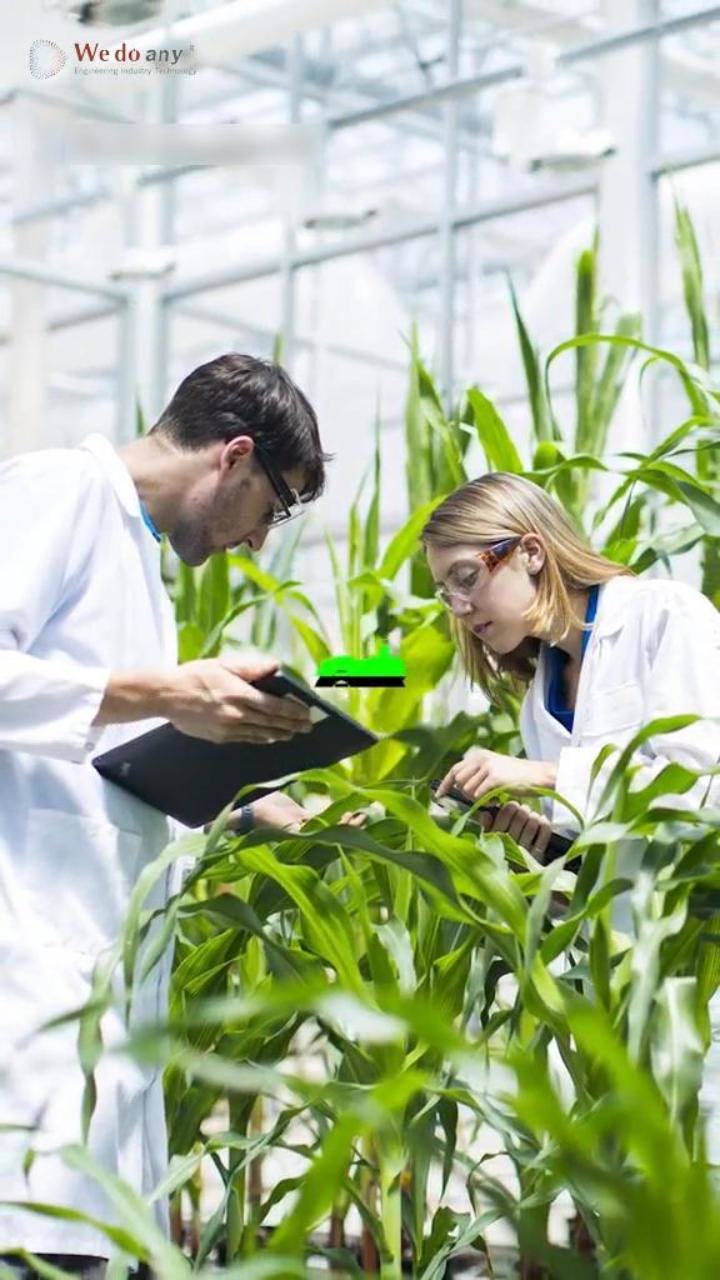
Egypt Establishes Silo Project to Expand Wheat Storage Capacity
Wedoany.com Report-Nov. 5, Egypt is advancing a national silo project to boost wheat and grain storage and maintain a strategic reserve, Prime Minister Mostafa Madbouly announced. The initiative involves constructing approximately 50 silos across 17 governorates, which will add up to 1.5 million tons of new storage capacity. Once completed, Egypt’s total grain reserve will exceed 6 million tons, reinforcing food security.
In collaboration with the World Food Program, the government has established the Luxor Coordination Center to enhance resilience, innovation, and knowledge sharing in Upper Egypt. This center is intended to support local agricultural development and improve supply chain efficiency.
Madbouly highlighted Egypt’s broader international cooperation during the Global Alliance Against Hunger and Poverty meeting in Doha. He stated that the country is working with the Food and Agriculture Organization (FAO) to create a global grain storage center in the Suez Canal Economic Zone (SCZONE). This facility aims to serve as a hub for global grain storage expertise, technology transfer, and best practices, positioning Egypt as a regional leader in strategic food reserves.
The national silo project complements ongoing efforts to modernize storage infrastructure, reduce post-harvest losses, and ensure a stable supply of wheat and grains for domestic consumption. By expanding storage capacity and creating specialized centers, Egypt aims to strengthen food security, optimize distribution, and support agricultural productivity across multiple governorates.
Madbouly emphasized that the combined impact of the silo network, the Luxor Coordination Center, and the SCZONE global grain center will enhance Egypt’s capacity to respond to fluctuations in grain supply and support both domestic and regional food stability. The initiatives reflect a long-term strategy to integrate modern storage technologies with sustainable agricultural management while leveraging international partnerships for knowledge and technical development.
Overall, the project is expected to secure the country’s grain reserves, improve storage efficiency, and contribute to regional food resilience, reinforcing Egypt’s role in global grain logistics and strategic supply management.
Related Products



714CD Series C-Band Weather Radar
Chengdu Zhongdian Jinjiang Information Industry Co., Ltd.
4HS-8 High-efficiency Peanut Inverted-laying Harvester
Hebei Yongfa Hongtian Agricultural Machinery Manufacturing Co., Ltd.

Industrial and Commercial Point-Type Gas Detector
Jinan Benan Technology Development Co., Ltd.