Pakistan to Establish Olive Oil Council to Reduce Reliance on Edible Oil Imports
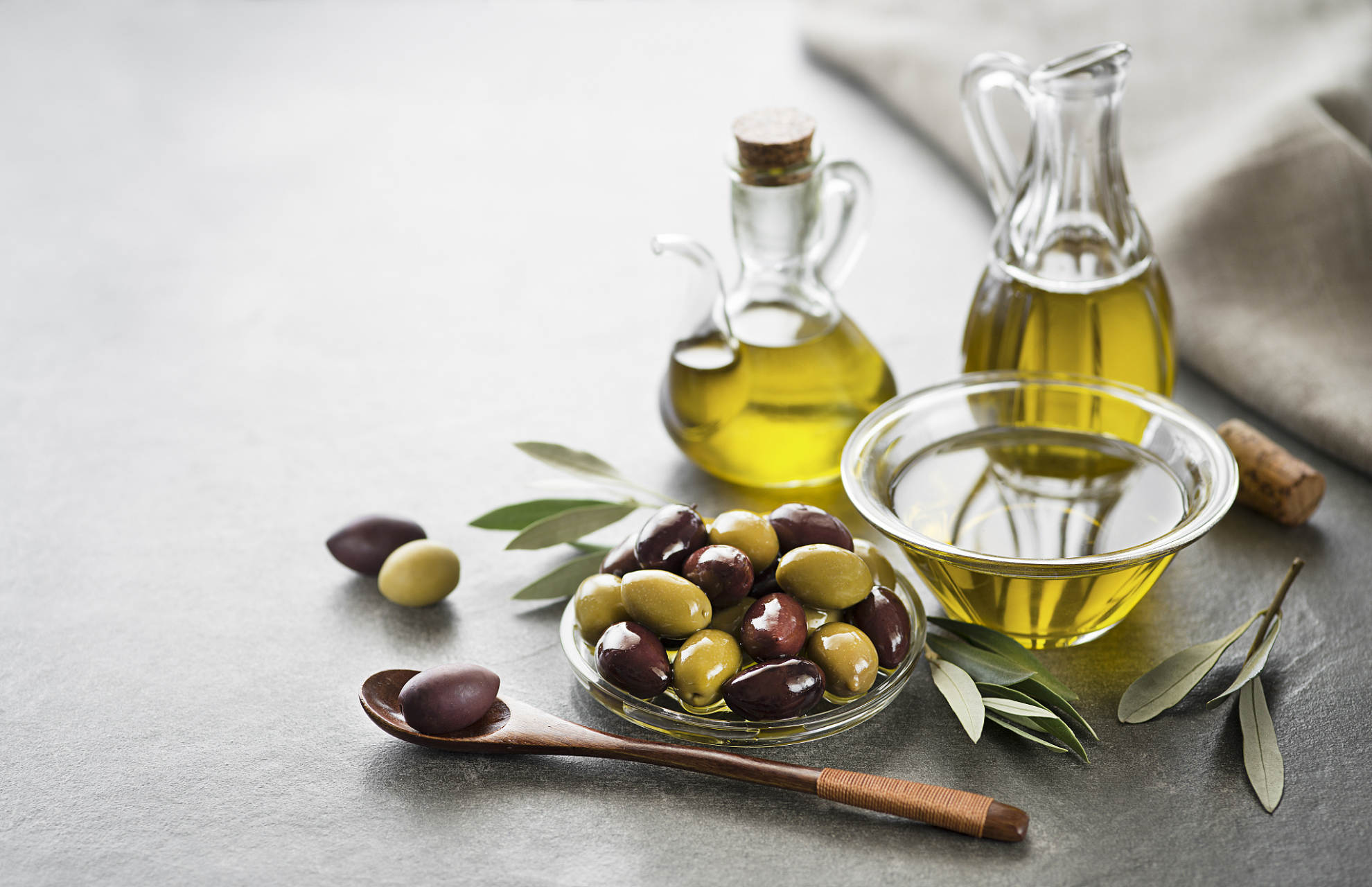
Wedoany.com Report-Nov. 8, The Government of Pakistan has announced the establishment of a National Olive Oil Council under the new National Olive Policy, aiming to regulate the expanding olive sector, promote exports, and reduce reliance on imported edible oils. The initiative seeks to support sustainable growth, improve rural incomes, and strengthen Pakistan’s position in the international olive oil market.
The newly proposed council will act as a central institution for coordination, certification, branding, and quality assurance of olive oil and related products. It will also oversee the implementation of the National Olive Policy and Action Plan, ensuring compliance with international standards set by the International Olive Council (IOC). This move reflects the government’s strategy to develop a well-structured and competitive olive industry capable of meeting both domestic and global demand.
Officials from the Ministry of National Food Security & Research stated that the policy prioritizes sustainable production, environmental conservation, and increased value-added exports. They noted that within the next five to seven years, Pakistan aims to evolve from an emerging producer into a competitive international player in olive oil production and marketing.
Pakistan’s olive sector has already recorded significant progress. Domestic olive oil production has reduced imports by nearly 50%, while exports continue to expand steadily. The country’s olive oil brand “LO” recently earned a silver award at the New York International Olive Oil Competition, where it competed among more than 1,200 entries from 28 countries, reflecting growing recognition of Pakistan’s product quality.
Since 2014, Pakistan has converted over 33,000 acres of marginal land into olive orchards and planted more than 6.9 million olive trees across 60 districts. This expansion has involved over 11,000 farmers and fostered strong linkages between local producers, processing facilities, and international development partners. The country currently operates 51 olive oil extraction units, supported by modern laboratories for quality testing and certification.
International cooperation has played an important role in the industry’s development. The Government of Italy has provided technical and financial assistance to enhance cultivation and processing capacity, helping Pakistan improve productivity and adopt advanced techniques in olive oil production.
The upcoming National Olive Oil Council will coordinate ongoing initiatives, emphasizing brand development, export promotion, and product standardization. It will also work to strengthen marketing networks and enhance Pakistan’s visibility in the global market.
Through these combined efforts, Pakistan aims to build a sustainable olive oil value chain, improve farmers’ livelihoods, and save foreign exchange by reducing import dependence. The policy underscores the government’s long-term vision of transforming the olive sector into a key contributor to agricultural exports and national economic growth.
Related Products


714CD Series C-Band Weather Radar
Chengdu Zhongdian Jinjiang Information Industry Co., Ltd.
4HS-8 High-efficiency Peanut Inverted-laying Harvester
Hebei Yongfa Hongtian Agricultural Machinery Manufacturing Co., Ltd.