China’s Seed Industry Revitalization Initiative Yields Remarkable Results
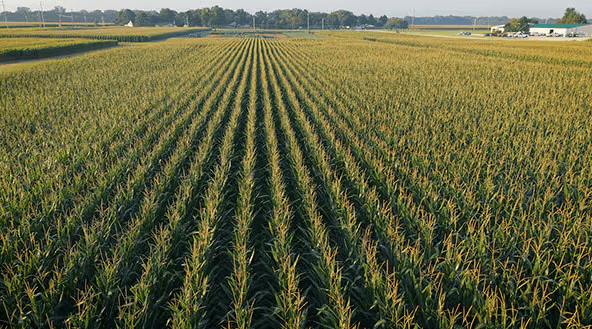
Wedoany.com Report-Nov. 8, During the 14th Five-Year Plan period (2021–2025), China made significant progress in revitalizing its seed industry, focusing on the development of high-quality, high-yield, and resilient crop varieties. Key achievements include improved rice, water-saving and disease-resistant wheat, mechanically harvestable corn, and high-oil, high-yield soybeans. Domestic crop varieties now account for over 95 percent of the nation’s planted area, reflecting the success of local breeding programs.
In rice cultivation, regions across the country introduced breakthrough varieties. Anhui Agricultural University in east China’s Anhui Province developed rice that yielded 800 kilograms per mu (about 0.067 hectares) at local farms. The National Salt-Alkali Tolerant Rice Technology Innovation Center created a variety that produced over 400 kilograms per mu under salt stress of 3–5 parts per thousand, filling a gap in high-quality, salt-tolerant rice for coastal saline-alkali areas in south China. Supported by these improved seeds, China’s rice yields per mu rose steadily, with early rice in 2025 surpassing 400 kilograms per mu for the first time.
Wheat breeding also advanced, with researchers developing a Fusarium head blight-resistant variety. A Ministry of Agriculture and Rural Affairs (MARA) official noted that new wheat varieties now combine high, stable yields with water conservation and superior quality. Over 75 percent of wheat plantings use these high-performing varieties, contributing to steadily rising average yields.
China’s poultry sector achieved a major breakthrough in 2021, ending reliance on imported white-feather broiler breeding stock. Three domestic breeds, including Shengze 901, were officially approved. Fu Guangming, founder of Sunner Group, which led Shengze 901’s development, said: “Foreign companies long held pricing power over grandparent breeder chickens of white-feather broiler chickens. The unstable supply of imported stock made it difficult for domestic enterprises to pursue long-term development plans.” After a decade of research, Shengze 901 now meets international performance standards and has begun entering overseas markets. In May 2024, 3,500 sets of parent stock were exported to Tanzania, followed by 51,000 hatching eggs earlier this year, marking China’s first export of domestic white-feather broiler breeding eggs to Africa. Domestic breeds now hold over 25 percent of the national market.
Progress was also made in other livestock and aquaculture sectors. Huaxi cattle now account for over 20 percent of the beef cattle market, while domestically bred whiteleg shrimp varieties cover over 30 percent of the market.
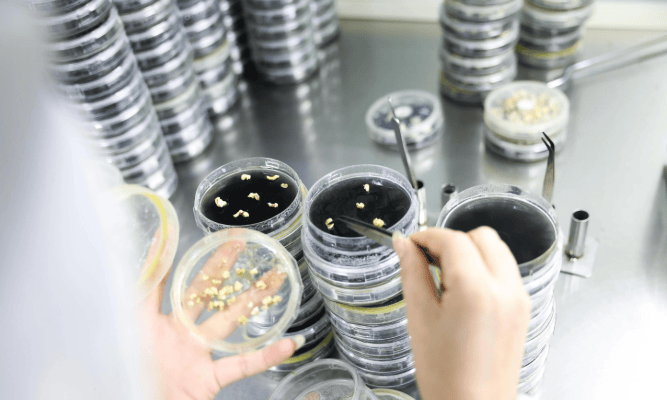
Breeding innovation has been supported by improved access to germplasm. China completed its third national survey of agricultural germplasm resources in March 2021, covering crops, livestock, and aquaculture. The survey identified 139,000 new crop germplasm resources, rediscovered 10 previously extinct livestock species, and collected 120,000 aquaculture genetic materials. Liu Xu, academician of the Chinese Academy of Engineering, said the survey provides critical support for independent innovation in the seed industry and revitalizes breeding capacity.
To date, over 6,000 germplasm resources have been applied to breeding and industrial development, helping China develop superior crop, livestock, and aquaculture varieties that meet domestic demand and support global competitiveness.
Related Products


714CD Series C-Band Weather Radar
Chengdu Zhongdian Jinjiang Information Industry Co., Ltd.
Industrial and Commercial Point-Type Gas Detector
Jinan Benan Technology Development Co., Ltd.

4HS-8 High-efficiency Peanut Inverted-laying Harvester
Hebei Yongfa Hongtian Agricultural Machinery Manufacturing Co., Ltd.