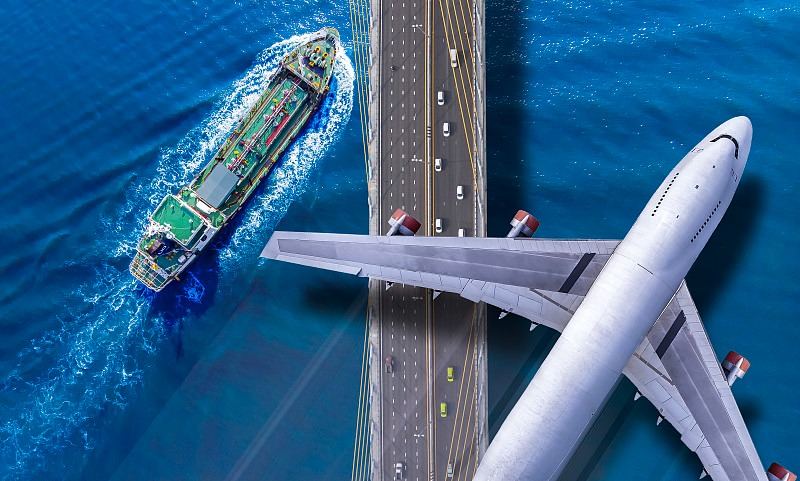
Wedoany.com Report-Nov. 11, China and the United States have agreed to suspend their reciprocal port fees for one year, a move welcomed by shipping organisations but criticised by some US trade unions, according to reports on Monday. The fees, initially imposed by Washington and Beijing on October 14, were lifted at 13:01 Beijing time following a recent summit between US President Donald Trump and Chinese President Xi Jinping.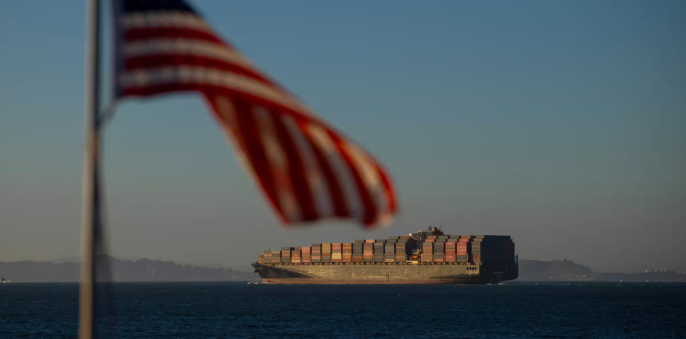
The port fees were introduced by the US trade representative as a measure aimed at reducing China’s share in global shipbuilding. American trade unions expressed strong opposition to the suspension, arguing that it undermines domestic shipbuilding workers. “Following this retreat, workers who know all too well the boom-and-bust nature of American shipbuilding are again being pushed aside, even as new commercial orders — worth billions of dollars — flow back into Chinese shipyards,” the unions said in a joint statement.
In contrast, leading shipping organisations and US import-export groups praised the suspension, noting that it provides relief to international shipping operations and could help stabilise trade flows. Many industry representatives expressed hope that the one-year pause may become permanent, offering more predictability for global logistics and maritime operations.
The decision comes amid ongoing bipartisan support in Washington for strengthening the American shipbuilding sector, leaving uncertainty about potential policy changes once the suspension ends. Analysts highlighted that while the pause is a positive development for shipping, underlying geopolitical tensions between the US and China remain significant.
“Although the US-China pause on tariffs and port fees is a welcome breather, it is hard not to think that the genie has escaped the bottle; ships and shipyards will likely be a key feature of the US-China great power struggle,” Hartland analysts said in their latest weekly report. Braemar analysts also noted, “In the current geopolitical climate, sudden U-turns are hardly uncommon, and a one-year truce feels more like a tactical pause than a lasting peace.”
The suspension affects fees applied at major ports on both sides, reducing costs for exporters and importers while easing congestion risks and financial burdens for shipping lines. Industry experts noted that the temporary halt provides an opportunity for shipping companies to plan operations without the added uncertainty of additional port costs.
The development highlights the complex balance between supporting domestic shipbuilding industries and maintaining smooth international trade. While unions emphasise protecting US shipbuilding jobs, global shipping operators benefit from lower fees and more stable trade conditions.
Overall, the one-year suspension is seen as a compromise: it temporarily reduces friction in US-China maritime trade while leaving the door open for future policy revisions. The move will be closely monitored by both governments, shipping companies, and trade associations, as the impact on trade flows and shipbuilding investment continues to unfold over the next year.