Egg Shortages Across Several European Countries
Wedoany.com Report-Dec.1, Recent outbreaks of avian influenza and Newcastle disease across several European countries have significantly reduced egg production, creating a noticeable supply shortage in the wholesale market. Poland and other EU member states are experiencing the effects most acutely, according to the National Chamber of Poultry and Feed Producers (KIPDiP).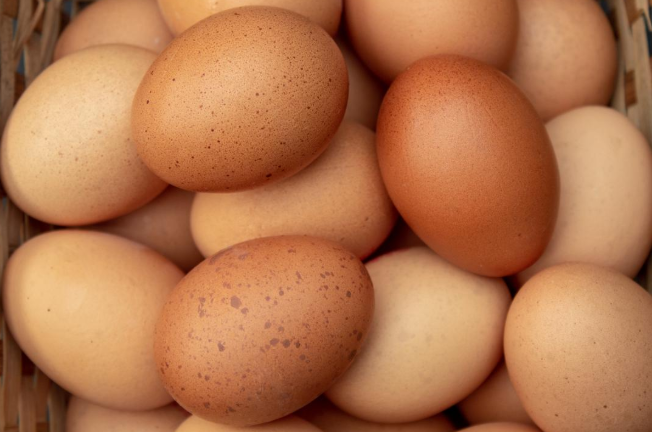
In October 2025, wholesale egg prices in Poland rose 12 percent compared with September, pushing prices 50–60 percent higher than the same period last year, depending on egg grade. These increases have already reached retail shelves.
KIPDiP president Katarzyna Gawrońska explained that earlier forecasts of price stabilisation by the end of 2025 are no longer realistic. Many laying-hen farms affected by avian influenza outbreaks earlier this year have not yet restored full production capacity.
"There are simply no eggs. We haven't been able to rebuild our flocks following the outbreaks of the infectious diseases that decimated them. It's impossible to restore production performance in just a few weeks," Gawrońska said, emphasising that the supply constraints are evident throughout Europe.
A recent example occurred at the Mach Drubez farm in the Pardubice region of the Czech Republic, where an H5N1 outbreak led to the culling of approximately 55,000 laying hens.
Poland's Minister of Agriculture, Stefan Krajewski, confirmed that discussions are under way with the chief veterinary officer to strengthen biosecurity rules and improve the vaccination framework for the poultry sector. He described the current situation as challenging for both producers and consumers.
To prevent further disruption, authorities are introducing enhanced measures, including expanded vaccination against Newcastle disease and stricter sanitary protocols on farms. Krajewski stated that farmers who fully comply with biosecurity requirements will receive state compensation for losses caused by disease outbreaks.
The ministry is also working to avoid the severe import dependence seen in other markets, focusing instead on supporting domestic recovery and protecting local production capacity.
The combined impact of lower flock numbers and ongoing disease risks has tightened egg availability across the region, contributing to sustained upward pressure on prices. Industry representatives expect the supply situation to remain constrained until affected farms complete restocking and new flocks reach peak laying performance, a process that typically requires several months.
Related Products


714CD Series C-Band Weather Radar
Chengdu Zhongdian Jinjiang Information Industry Co., Ltd.
4HS-8 High-efficiency Peanut Inverted-laying Harvester
Hebei Yongfa Hongtian Agricultural Machinery Manufacturing Co., Ltd.


MH220E Two-Row Hybrid Packaged Cotton Picker
CHINA RAILWAY CONSTRUCTION HEAVY NDUSTRY XINJIANG CO., LTD.