Ottawa to Fast‑Track 3,000 Homes for Canada’s New Housing Agency
Wedoany.com Report-Dec.11, Ottawa has secured over CA$400 million in funding from Build Canada Homes, the newly established federal housing agency, to fast-track the delivery of 3,000 new residential units in the nation's capital. The agreement was announced on Monday by Prime Minister Mark Carney and Ottawa Mayor Mark Sutcliffe.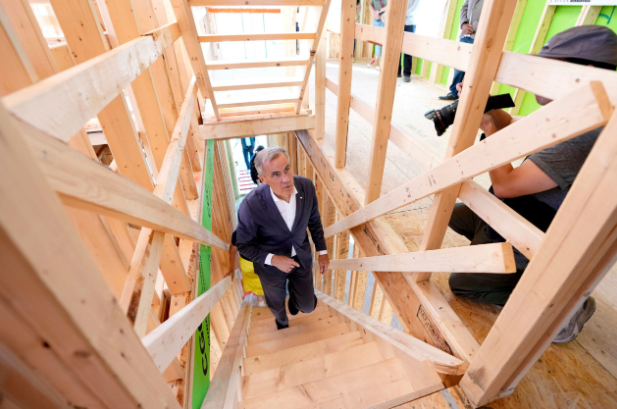
The initiative is structured in two parts. Approximately 2,000 homes will be constructed on federally owned sites, with the first major development at the former campus located at 1495 Heron Road. This 1,100-unit project has been designated a Direct Build initiative, requiring contractors to employ advanced construction methods including prefabrication, modular assembly, and mass-timber systems, while prioritising Canadian-sourced materials.
The remaining 1,000 units will come from the City of Ottawa's existing affordable housing pipeline, with funding accelerating projects managed by Ottawa Community Housing and its development partners. Likely sites include further phases of Gladstone Village in Centretown and the Mosaïq Ottawa development, both aligned with the city's urban intensification objectives.
In return for the federal investment, the City of Ottawa will waive development charges, permitting fees, and property taxes on qualifying projects. Mayor Sutcliffe described the arrangement as enabling Ottawa to take a leading role in addressing national housing needs.
Speaking at the Ottawa Board of Trade Mayor's Breakfast, Prime Minister Carney confirmed that construction on federal sites will commence in 2026, stating that "shovels will be in the ground next year."
Jason Burggraaf, Executive Director of the Greater Ottawa Home Builders’ Association, welcomed the announcement while highlighting the broader challenge: "We need a lot of investment in affordable housing… but it also illustrates the amount of investment that's needed from other levels of government to make housing affordable at all."
Build Canada Homes, backed by a CA$13 billion mandate, is tasked with leveraging public land, streamlined regulation, and private-sector participation to increase housing supply across Canada. The agency places particular emphasis on industrialised construction techniques and the expanded use of mass timber, with the objective of reducing typical project timelines by up to 50 per cent and construction costs by as much as 20 per cent.
The Ottawa partnership serves as an early demonstration of the agency's model, combining direct federal development on surplus properties with financial support for municipal and non-profit housing providers. The focus on Canadian materials and modern methods is expected to strengthen domestic manufacturing capacity and create sustained employment in the prefabrication and engineered-wood sectors.
Related Products


RISITA explosion-proof air conditioning
Guangdong RISITA Air Conditioning Equipment Co.,Ltd.

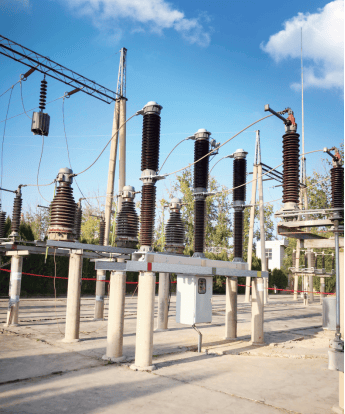
145kV Porcelain Column Type Sulfur Hexafluoride Circuit Breaker
TBEA ZONFA Shanghai High Voltage Switchgear Co., Ltd.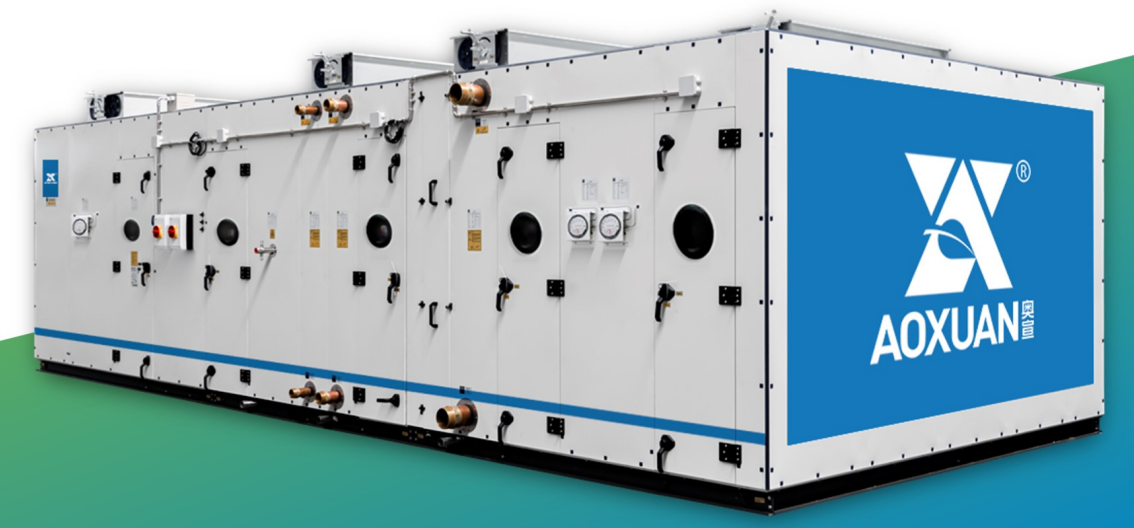
Aoxuan Intelligent Precision Air Conditioning Unit
SHANGHAI AOXUAN PURIFICATION TECHNOLOGY CO., LTD.


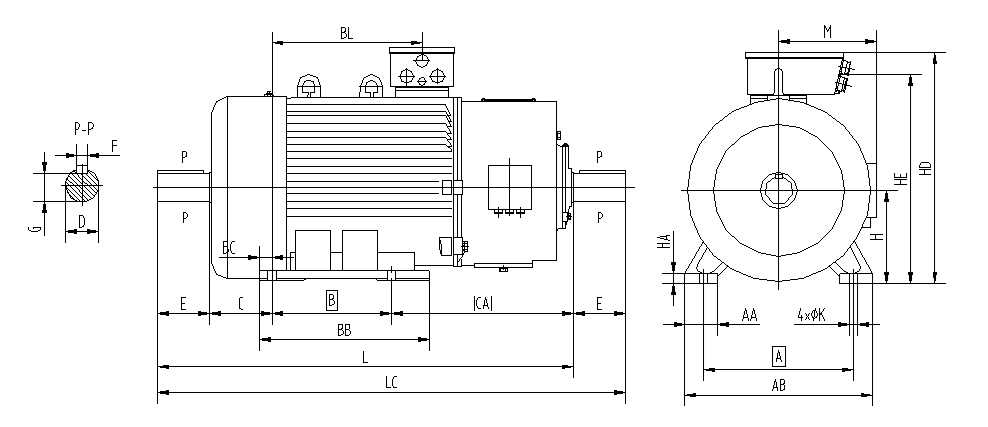
YZR (450-560) Series Wound Rotor Three-Phase Asynchronous Motors for Crane and Metallurgical Applications
Jiamusi Electric Machine Co., Ltd.