Exxonmobil Commissions LCAs to Highlight PE Packaging’s Merits
Wedoany.com Report-Dec.16, ExxonMobil, based in the United States, has commissioned two independent, peer-reviewed lifecycle assessments to evaluate the environmental performance of polyethylene (PE) packaging compared to alternatives including metal, glass, and paper.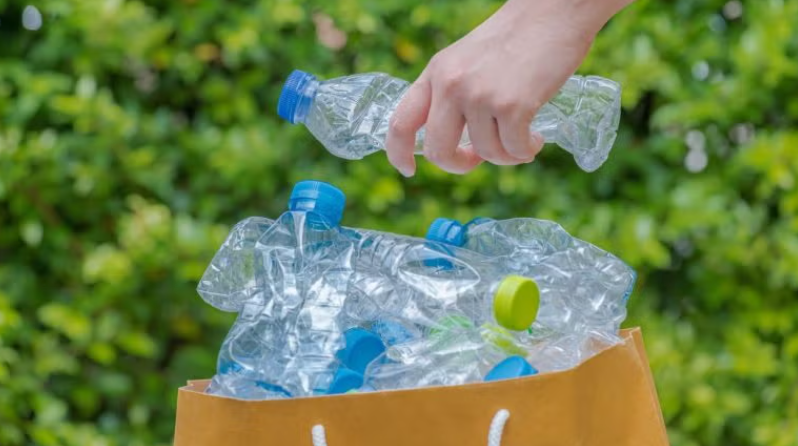
The results indicate that, when combined, PE packaging required four to five times less material than the alternative materials assessed.
The studies examined common packaging applications such as produce bags, fertilizer sacks, and personal care bottles. They analyzed impacts throughout the entire lifecycle, from raw material extraction and production through transportation, usage, and end-of-life management.
Results from the assessments show that PE packaging typically requires four to five times less material by weight than the alternatives considered. Over the full lifecycle, PE packaging produces approximately half the greenhouse gas emissions generated by the comparable materials evaluated.
Beyond emissions, the analyses addressed fossil resource depletion and water usage. Findings indicate that PE packaging consumes fewer fossil resources and contributes to lower water scarcity impacts in half or more of the scenarios reviewed.
ExxonMobil describes these studies as among the most comprehensive evaluations of PE packaging to date, encompassing applications that represent about two-thirds of the PE packaging market in the United States and Europe. They mark the first published lifecycle assessments dedicated exclusively to PE packaging with direct comparisons to non-plastic options such as metal, glass, and paper.
The assessment focused on the U.S. market was published in the journal Science of the Total Environment and conducted in partnership with Trayak. The European-oriented study appeared in Cleaner Environmental Systems, led by researchers from the University of Applied Sciences Vienna and Circular Analytics TK. Both projects involved input from Michigan State University’s School of Packaging.
Lifecycle assessments provide valuable data for regulators, policymakers, and industry stakeholders to inform decisions on material choices based on environmental considerations.
ExxonMobil also noted its review of findings from Breaking the Plastic Wave: A Comprehensive Assessment of Pathways Towards Stopping Ocean Plastic Pollution, which suggests that plastic packaging can be up to 45 percent less costly than substitute materials.
These independent evaluations contribute to ongoing discussions about sustainable packaging solutions, highlighting trade-offs in material use, emissions, and resource consumption across different options. The results underscore opportunities for PE packaging to support efficiency in common consumer and industrial applications while addressing broader environmental objectives.