Shell Greenlights US Gulf Waterflood Project to Boost Oil Recovery
Wedoany.com Report-Dec.17, Shell has approved the final investment for a waterflood project at its Kaikias field in the U.S. Gulf of Mexico. The initiative focuses on enhancing oil recovery and prolonging the operational duration of the Ursa platform.
This development is projected to increase recoverable resources by 60 million barrels of oil equivalent.
The decision represents another commitment by Shell, the leading deepwater operator in the region, to maintain its liquids production around 1.4 million barrels of oil equivalent per day through 2030.
Water injection operations are scheduled to commence in 2028, contributing to an extended production period for the Ursa facility by multiple years.
The waterflood method involves injecting water into the reservoir to push additional oil toward production wells and restore pressure in the formation.
Shell manages the Ursa tension-leg platform, located in the Mars Corridor, with a 61.3% working interest. Partners include BP and ECP GOM III. Earlier this year, in February, Shell increased its stake in the Ursa platform.
The Kaikias field, first discovered in 2014 and brought into production in 2018, sits in water depths exceeding 4,000 feet (1,219 meters), approximately 130 miles (209 kilometers) offshore from Louisiana.
This project underscores Shell's ongoing strategy to optimize mature assets through established recovery techniques, ensuring continued output from existing infrastructure.
By applying secondary recovery methods, operators can access reserves that remain trapped after initial production phases, thereby improving overall field efficiency.
The Gulf of Mexico continues to serve as a core area for deepwater activities, where technological advancements enable economic development of challenging reservoirs.
Investments in such enhancements support stable energy supply from proven basins while leveraging existing platforms and subsea systems.
The Kaikias waterflood builds on the field's successful early performance, demonstrating confidence in its long-term potential.
Shell's position as the primary deepwater producer in the region allows it to prioritize projects that deliver measurable resource additions with controlled execution risks.
Extensions to platform life also provide sustained employment and economic benefits in associated supply chains and service sectors.
Overall, this approval reflects a balanced approach to portfolio management, combining maintenance of current production levels with targeted growth opportunities in established operating areas.
Related Products

80kW Megawatt Supercharging Module TH80F10030C9
Shijiazhuang Tonhe Electronics Technologies Co., Ltd.

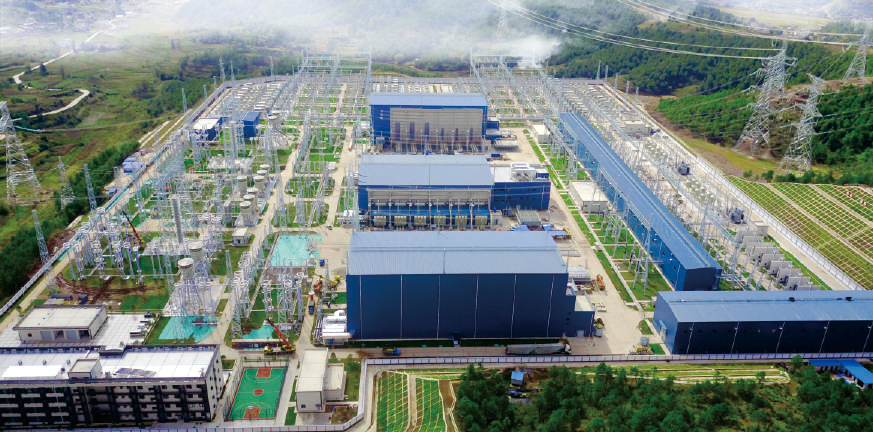
High-voltage Direct Current (HVDC) Transmission System Research and Integrated Design
XI'AN XD POWER SYSTEMS CO., LTD.
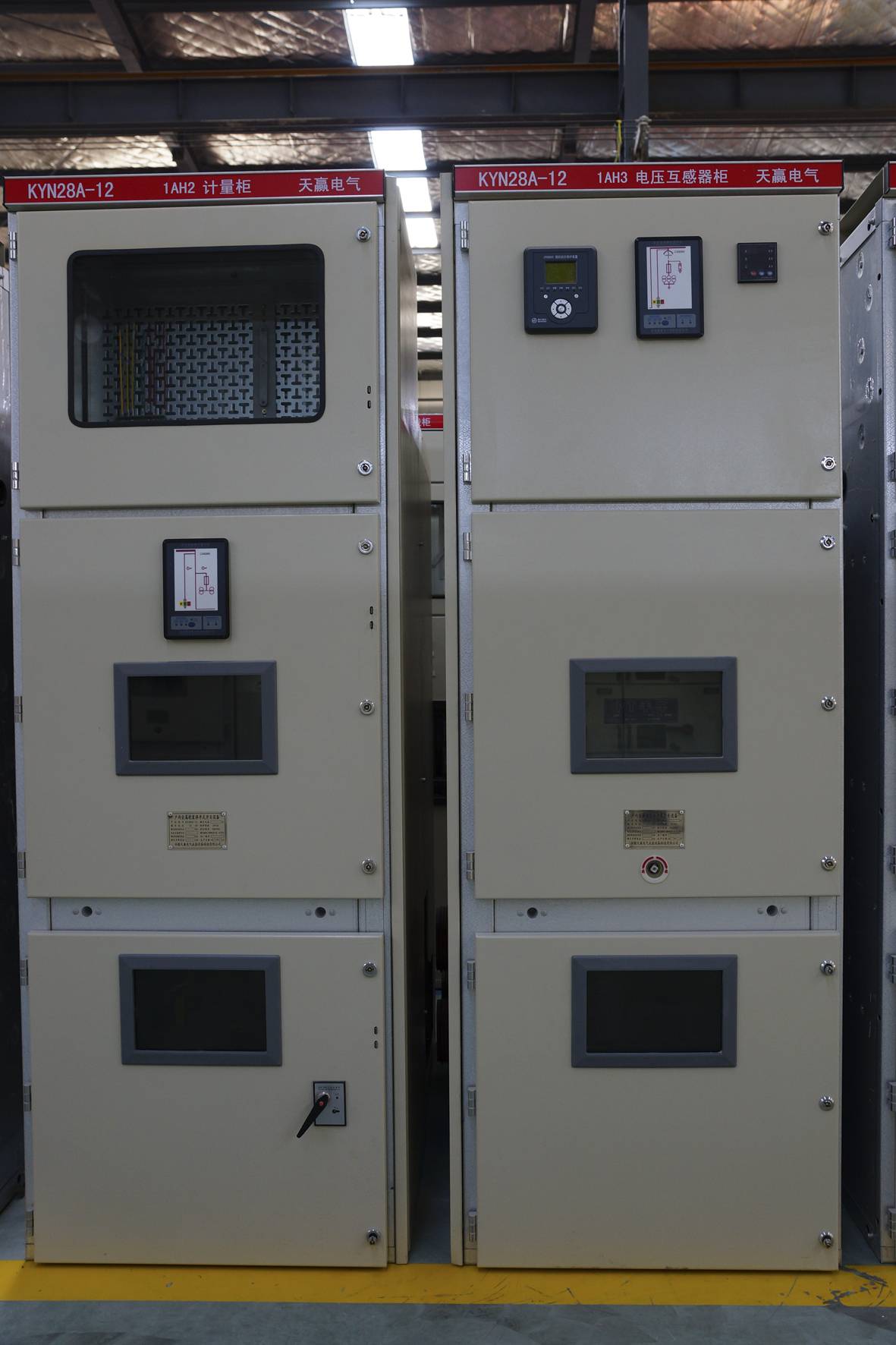
KYN28 - High Voltage Switchgear
Anhui Tianying Electrical Equipment Manufacturing Co., Ltd.
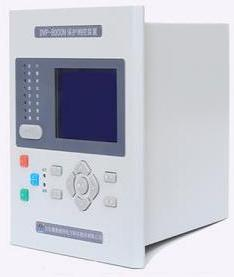
Microcomputer Protection and Substation Automation
Beijing Agent Devote Power Technology Development Co., Ltd.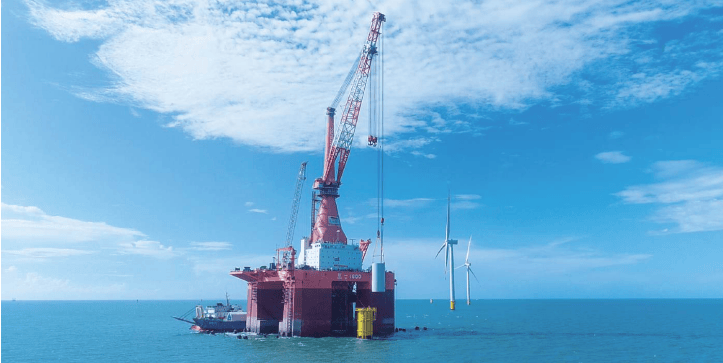
"Shunyi 1600" Deep-submerging Bottom-sitting Multi-functional Wind Power Engineering Vessel
Zhengli Offshore Engineering Co., Ltd.
SFC-60 Individual Portable Power Supply, High Specific Energy Methanol Portable Power Supply
Automation Research Institute Co., Ltd. of China South Industries Group Corporation