Indonesia Allocates 15.65 MM Kiloliters of Biodiesel for 2026
Wedoany.com Report-Dec.24, Indonesia's Energy and Mineral Resources Ministry has signed a decree allocating 15.65 million kiloliters (MMkl) of palm-based biodiesel for the country's fuel blending mandate in 2026, an official from the ministry announced on Tuesday.
Of this total, 7.45 MMkl is designated for the public service obligation (PSO) segment. This portion supports sectors such as public transportation, with sales subsidized through the national palm oil fund.
The remaining 8.20 MMkl is allocated for non-PSO use, which will be sold at market prices, according to Eniya Listiani Dewi from the Energy and Mineral Resources Ministry.
This allocation is slightly higher than the 15.6 MMkl set for 2025.
Indonesia currently enforces a mandatory 40% palm oil blend (B40) in diesel fuel. The government plans to raise the blend to 50% (B50) starting next year to reduce dependence on imported fossil fuels and enhance energy self-sufficiency.
Road tests for the B50 blend began in early December and are expected to continue for approximately six months. Energy Minister Bahlil Lahadalia has stated that the mandatory implementation of B50 is likely to commence in the second half of 2026.
The biodiesel producers association APROBI estimates that full B50 adoption could require up to 19 MMkl of palm oil-based fuel annually.
"This will happen if the road test results are OK and the availability of raw materials is sufficient," Ernest Gunawan, APROBI's secretary general, said.
"A revision of the ministerial decree (for the) quantity will be carried out in the second semester to adjust to the needs of B50," he added.
At the end of October, Indonesia's palm oil stocks declined 10% month-on-month to 2.33 million tonnes, despite higher production levels. Domestic consumption increased by 8.5% to 2.22 million tonnes during the period, driven by greater demand for biodiesel and food use.
As the world's leading palm oil producer, Indonesia may introduce measures to regulate exports of crude palm oil. These steps would help ensure adequate domestic supply for biodiesel production while supporting the country's blending program and energy goals.
The allocation and planned B50 transition reflect ongoing efforts to strengthen domestic resource utilization and promote sustainable fuel options in the transportation sector.
Related Products


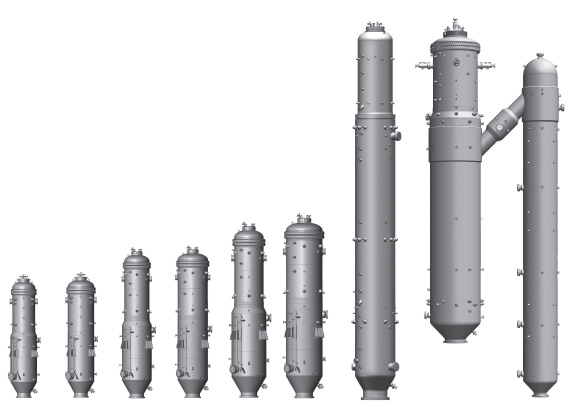
Gasification Furnace Series: Freely Combinable Aerospace Furnace
CHANGZHENG ENGLINEERING CO., LTD.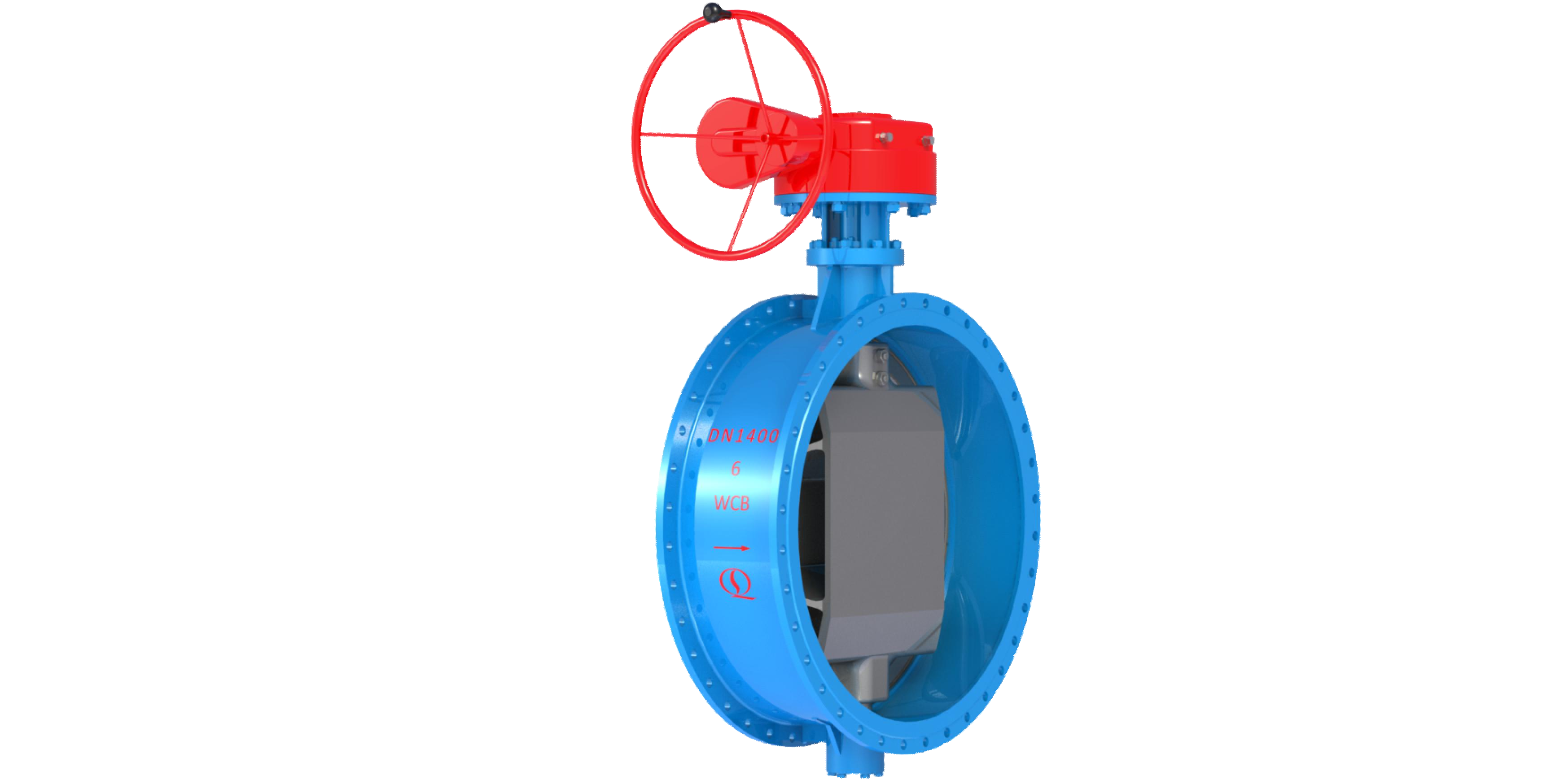
Bidirectional Metal Hard Sealed Seawater Butterfly Valve
Henan Quanshun Flow Control Science & Technology Co., Ltd.
Quick-Change Single-Seat Control Valve / Quick-Change High-Pressure Single-Seat Control Valve
Beijing Consen Automation Technology Co., Ltd.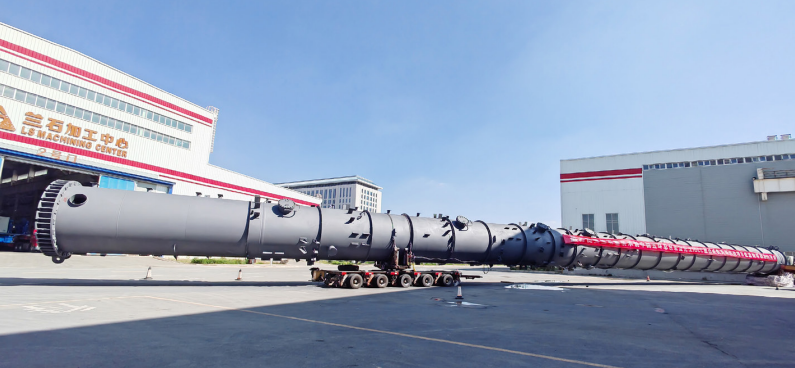

Industrial and Commercial Point-Type Gas Detector
Jinan Benan Technology Development Co., Ltd.