Belarusian Nuclear Power Plant Cuts Nation’s Reliance on Natural Gas-Fired Electricity Generation
Belarus was not blessed with abundant energy resources. In 2018, only 15% of the country’s energy demand was met by domestic production, making Belarus one of the least energy self-sufficient countries in the world. Nearly all electricity generation that year (97% or 39 TWh) came from natural gas, supplied mainly by Russia. Notably, Belarus is an important part of Russia’s gas transit corridor to Western Europe, and matters related to natural gas transit, such as infrastructure, system operations, tariff structure, and technical services, are established in a bilateral agreement with Russia’s Gazprom.
Diversifying the Energy Mix
Yet, Belarus has long sought to lessen its reliance on Russian natural gas. The World Nuclear Association reports that in mid-2006, the Belarusian government approved a plan for the construction of an initial 2,000-MWe nuclear power plant (NPP) in the Mogilev region of eastern Belarus. This was expected to provide electricity at half the cost of that from Russian gas and to provide some 30% of the country’s electricity by 2020 at a cost of about €4 billion (January 2008 estimate).
In November 2007, a presidential decree defined the organizations responsible for preparing for the construction of the country’s first NPP, and budgeted money for engineering and site selection. The candidate sites, according to the World Nuclear Association, were Krasnopolyansk and Kukshinovsk (both in the Mogilev region), and Ostrovets in the Grodno region. Ostrovets, 23 km from the Lithuanian border and 55 km from Vilnius, was chosen in December 2008, despite protests from Lithuania.
In June 2009, the Belarusian government announced that Atomstroyexport would be the general contractor, with Russian and Belarusian subcontractors. “On July 18, 2012, the General Contract for the construction of a nuclear power plant was signed,” a spokesperson for the Belarusian NPP told POWER. “Several subcontractors worked on the construction of the Belarusian NPP. Five of them—Belenergostroy, Rossem, Trust No. 8, Gomelpromstroy, and Grodnopromstroy—are the main ones.”
Related Products


Jin Haiyan® Nuclear Island Special Glass Wool (JHY-NW)
BBMG ENERGY SAVING MATERIAL & TECHNOLOGY (DACHANG)CO., LTD.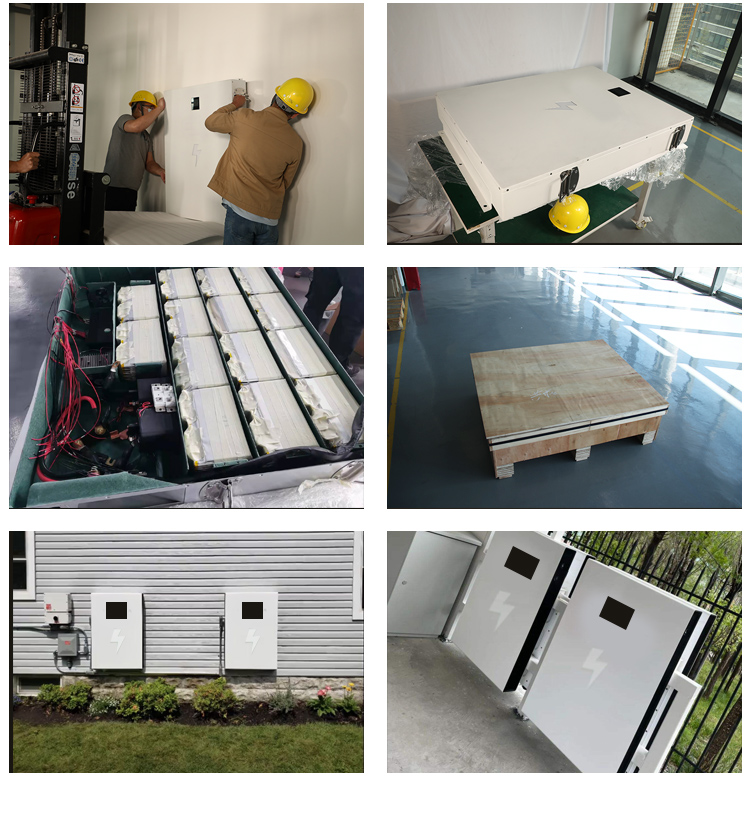
Safe, efficient, intelligent energy storage, creating smart homes and making life more convenient# Home Energy Storage # Supercapacitors # Energy Storage # Wall Mounted # Safe Electricity Use
Gonghe Power Co.,LTD


CAP1400 main feedwater flow nozzle flowmeter.
Jiangsu Hongda Instrument Technology Co., LTD.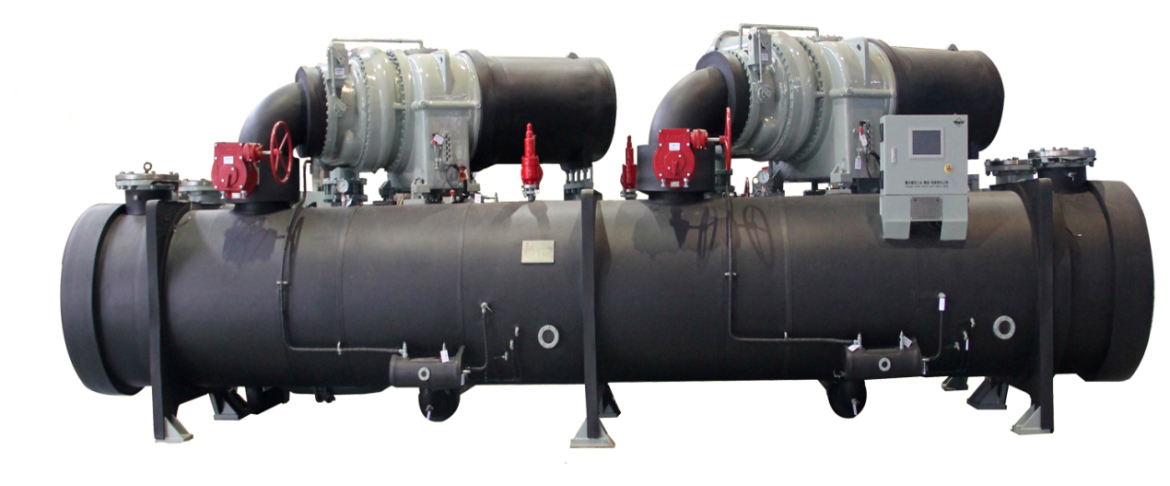
Centrifugal chiller for third generation nuclear power AP/CAP series
Chongqing General Industry (Group) Co., Ltd.