Wedoany.com News Network - Recently, the Bureau of International Recycling (BIR) issued a warning regarding the global regulatory debate on the cross-border transfer of used textiles, pointing out fundamental confusion in the current policy framework. If mishandled, it could undermine existing recycling systems and jeopardize the livelihoods of millions.
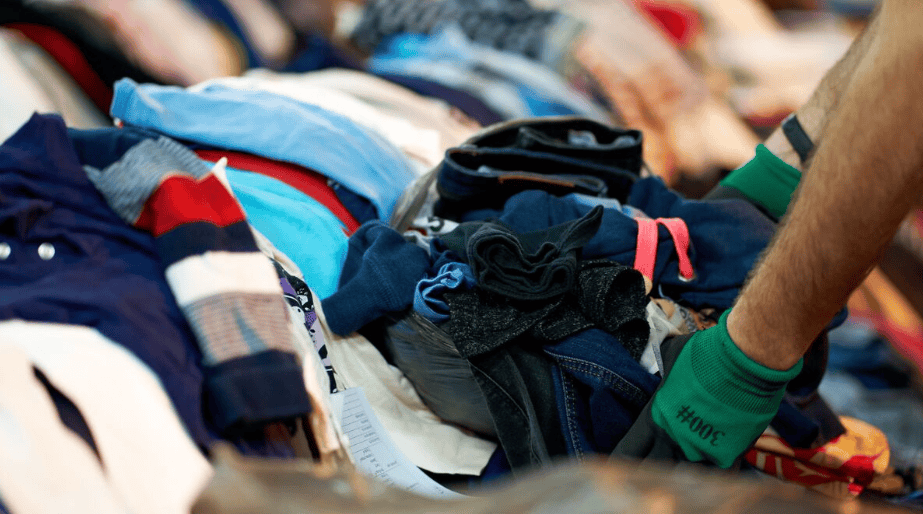
In its advisory opinion submitted to the Basel Convention, BIR noted that the current regulatory system conflates "waste" with "commodities." The ambiguous definitions between the trade code HS6309 and the Basel Convention entry B3030 have created a gray area that hinders legitimate operators and makes effective monitoring difficult. The alliance calls for a clear distinction between three different material flows: unsorted used textiles, textiles sorted for recycling, and textiles sorted for reuse. It emphasizes that garments deemed suitable for reuse after professional sorting should be considered commodities, subject to product regulatory frameworks rather than waste conventions. BIR cited data from multiple countries to counter the "waste dumping" argument, noting, for example, that 87.8% of imported unsorted textiles in Guatemala have reuse value, and most imported bales in Ghana have a waste content below 1%. The alliance stressed that cross-border flows reflect the efficiency of the globalized circular industry, with different regions (such as the Karachi Export Processing Zone in Pakistan) specializing in sorting, recycling, and second-hand markets, forming complementary value chains.