Indonesian Coal Inventories Ample, Trading Subdued; Chinese Firms Accelerate Expansion Targeting Long-Term Market
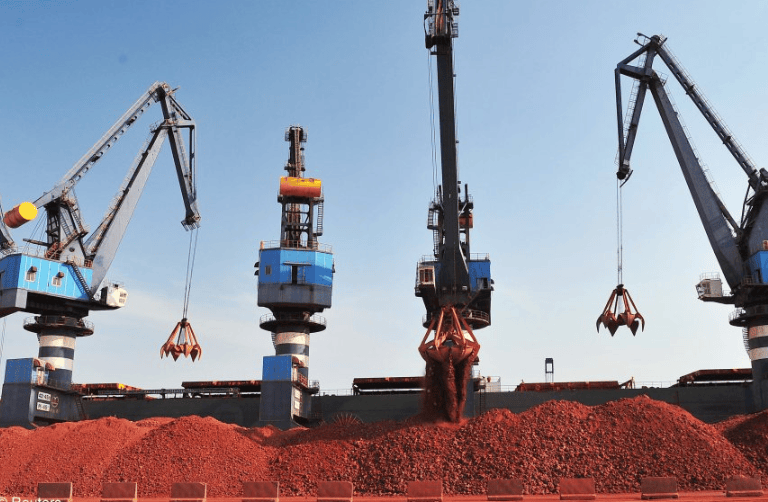
Wedoany.com Report on Feb 2nd, the coal market showed a diverging trend, with imported fuel prices remaining firm while Chinese coal prices held steady. Tightening South African coal supply and global cost pressures jointly supported import prices, with both metallurgical coke and petroleum coke experiencing increases. Indonesian coal grades saw relatively subdued trading due to ample inventories and cautious procurement. The freight market strengthened influenced by rising fuel costs, but ample vessel supply capped gains. Overall, market purchases remain dominated by actual demand.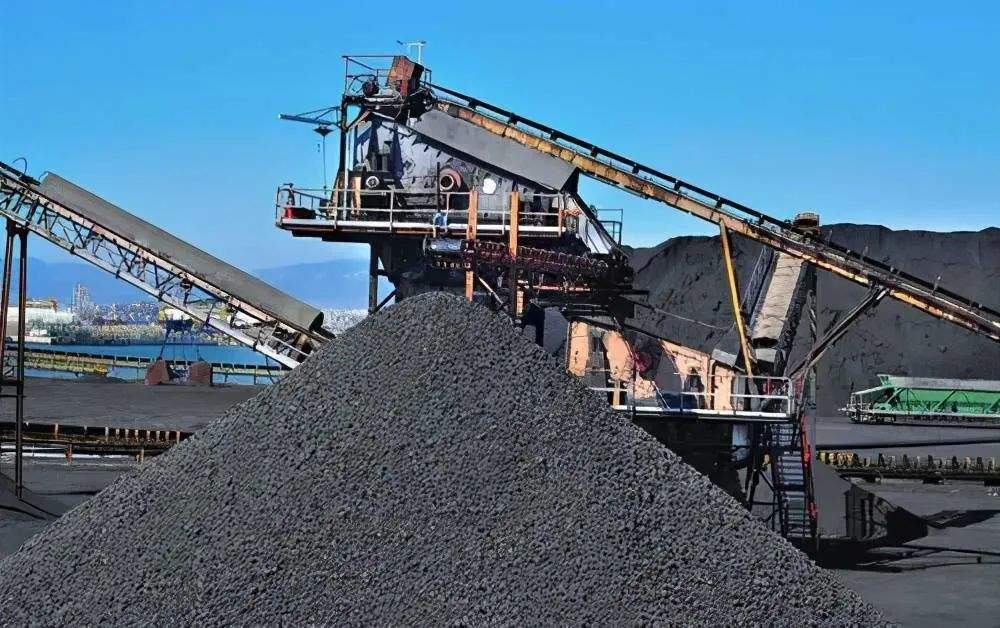
For the week ending January 30, 2026, Indonesian thermal coal prices at Indian ports were largely stable week-on-week, with trading activity slowing. Data shows 5,000 GAR was offered at ₹7,250/tonne in Kandla and ₹7,150/tonne in Visakhapatnam; 4,200 GAR remained steady at ₹5,600/tonne and ₹5,500/tonne respectively. Low-grade 3,400 GAR held at ₹4,500/tonne in Navlakhi. Supramax freight from East Kalimantan to Navlakhi edged up $0.2/dry tonne to $11/dry tonne. Port inventories grew 1% week-on-week to 12.95 million tonnes. Indonesian benchmark coal prices saw slight increases: 5,800 GAR up $0.49/tonne, 4,200 GAR up $0.39/tonne, and 3,400 GAR up $0.33/tonne. The market outlook remains cautious.
South African port thermal coal prices rose in Week 5 due to tightening inventories and selective trading. Assessments show 5,500 NAR ex-Paradip up ₹100/tonne week-on-week to ₹9,500/tonne, while 4,800 NAR held at ₹8,100/tonne. In Visakhapatnam, 5,500 NAR rose ₹150/tonne to ₹9,400/tonne, and 4,800 NAR increased ₹50/tonne to ₹8,000/tonne. Indicative East Coast price ranges were: 5,500 NAR ₹9,400-9,500/tonne, 4,800 NAR ₹8,100-8,200/tonne. Ennore offered ₹9,700/tonne plus GST, Mangalore at ₹9,450/tonne plus GST. Around 50,000 tonnes traded at $92/tonne CFR Paradip, with another 75,000 tonnes at $94-95/tonne CFR. Inventories at Dhamra, Gangavaram, and Haldia were largely sold out, supporting expectations for near-term price firmness.
Chinese non-coking coal prices remained stable week-on-week, with 5,000 GCV assessed at ₹5,750/tonne and 4,500 GCV at ₹4,800/tonne. Market sentiment was steady, benefiting from stable supply via SECL auctions. On January 27, SECL offered 1.716 million tonnes, allocating 0.9152 million tonnes. Most mid-CV bulk grades were sold close to floor prices, reflecting buyer caution and selective procurement. Aggressive bidding was limited, with buying activity primarily based on actual needs. Balanced allocations and ample supply stabilized the market, preventing sharp volatility in Chinese prices this week.
On January 28, Indian blast furnace-grade and foundry-grade metallurgical coke prices surged week-on-week, primarily driven by rising coking coal costs and tight foundry-grade supply. In East India, blast furnace-grade (25-90 mm) rose ₹500/tonne to ₹34,000/tonne ex-Jajpur; in West India, prices increased ₹200/tonne to ₹30,300/tonne ex-Gandhidham. Foundry-grade (+90 mm) soared ₹900/tonne to ₹36,100/tonne ex-Rajkot due to limited supply. Australian PHCC rose $14/tonne to $251/tonne FOB due to weather-related supply disruptions, while Chinese prices held firm. SAIL-Bhilai auctioned 4,940 tonnes at an ex-works price of ₹36,850/tonne, up ₹2,950/tonne from the previous auction. Prices are expected to remain firm.
Indian imported petroleum coke prices rose $4-5 week-on-week, mainly driven by stronger offers from the US and Saudi Arabia. Assessments show material from the US and Saudi Arabia offered at $121/tonne on the West Coast and $124/tonne on the East Coast. Venezuelan petroleum coke prices also firmed slightly, with CFR West Coast India levels at $117-118/tonne, up $1/tonne from the previous week's $116-117/tonne. This increase reflects steady buying interest in the global market and tightening seller offers.
For the week ending January 30, Indian dry bulk coal freight rates increased, supported by rising fuel prices and a stronger Baltic Dry Index (BDI). Geopolitical factors pushed up oil and bunker costs, prompting shipowners to seek higher rates, while charterers remained cautious. The BDI surged 241 points week-on-week to 2,002 points on January 29. The Panamax index rose 43 points to 1,062, and the Supramax index increased 56 points to 1,716. On a route basis, Australia-Paradip Panamax rose $0.9/dry tonne to $15.0/dry tonne. Richards Bay-Paradip increased $0.3/dry tonne to $14.2/dry tonne, and Indonesia-Navlakhi Supramax edged up $0.2/dry tonne to $11/dry tonne. However, ample tonnage supply in the Indian Ocean limited the scope for significant gains.
Related Products



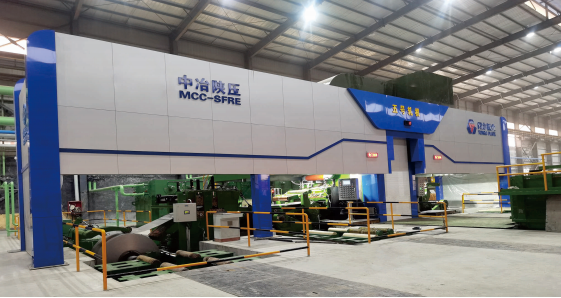
1050-1750mm Steel Strip Single-stand Reversible Cold Rolling Production Line
MCC-SFRE HEAVY INDUSTRY EQUIPMENT CO., LTD.

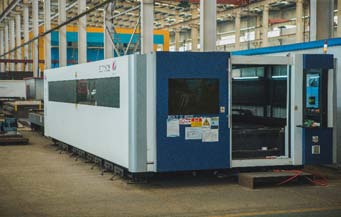
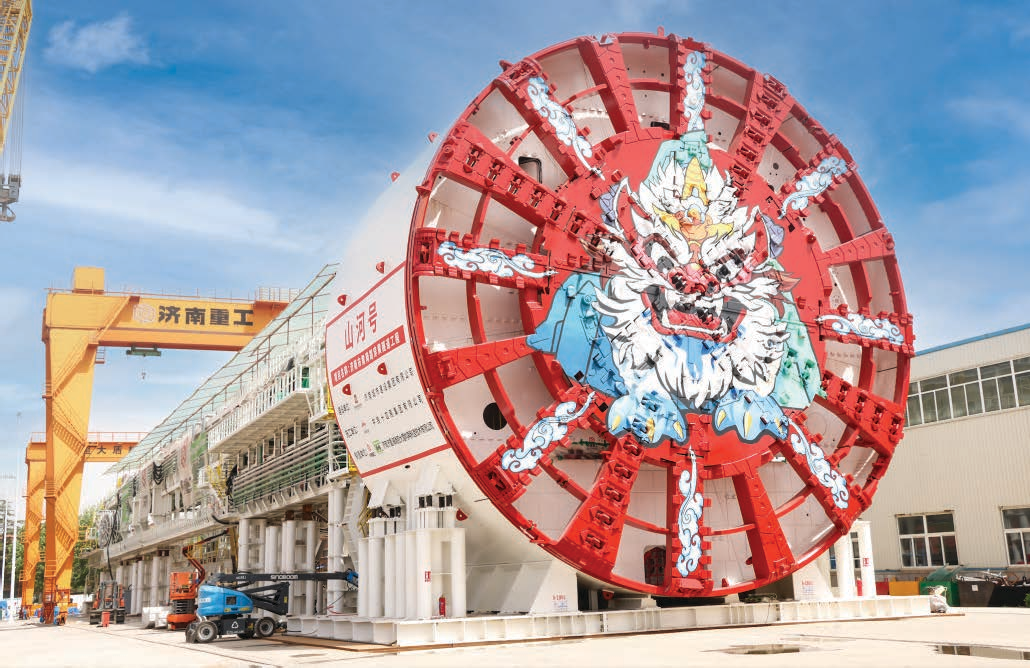
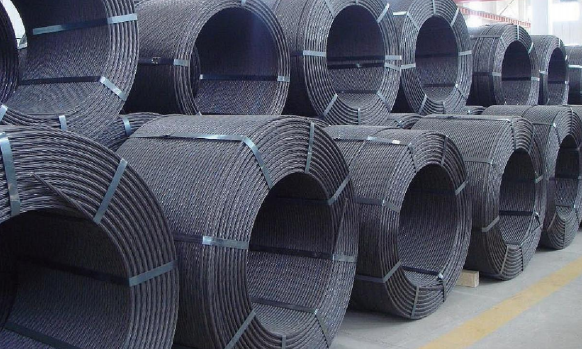

High-temperature Equal Wall Thickness High-power Screw Drilling Tool
Orient Energy & Technologies Co., Ltd.

Quick-Change Single-Seat Control Valve / Quick-Change High-Pressure Single-Seat Control Valve
Beijing Consen Automation Technology Co., Ltd.