Wedoany.com Report on Feb 9th, The design philosophy of the Milan Olympic Village differs from previous ones. Feargus O'Sullivan from Bloomberg CityLab notes that it is "a neat case study in how a host city can set priorities for Olympic construction—and learn from past mistakes." The construction of this Olympic Village particularly focuses on post-Games reuse, aiming to meet the city's housing needs after the Olympics conclude.
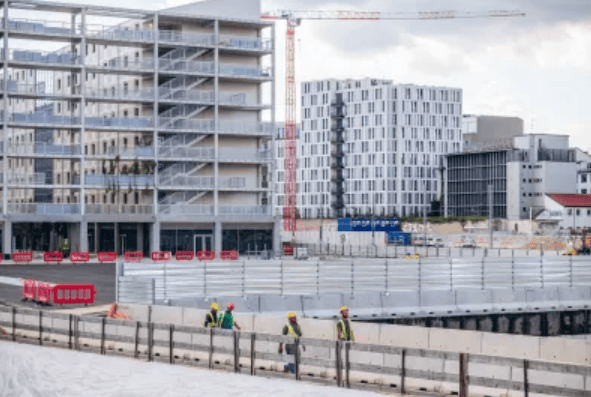
The units are designed as dormitory-like studio apartments, each equipped with a private bathroom and a small kitchenette. To reduce emissions, each floor features a large communal kitchen, photovoltaic panels are installed on the rooftops, and six of the buildings are constructed using off-site prefabrication methods. This post-Games reuse strategy aims to optimize resource usage and enhance sustainability.
Some of the dormitories will be offered at discounted prices to low-income students, but the majority of the units will become higher-priced options within Milan's official student accommodation. This has sparked dissatisfaction among some locals, who believe the public-private partnership between the city and the developer COIMA SGR might not be in Milan's best interest, especially since the developer was involved in an investigation last year.
Many locals feel this reflects a common issue with Olympic development: even if the construction process is more environmentally friendly, the final structures may end up being costly for most people. While the post-Games reuse design of the Milan Olympic Village emphasizes housing needs, it also faces challenges regarding price accessibility.