Composite Polymer Material Breaks Traditional Theory, Combines Plastic Strength with Glass Malleability
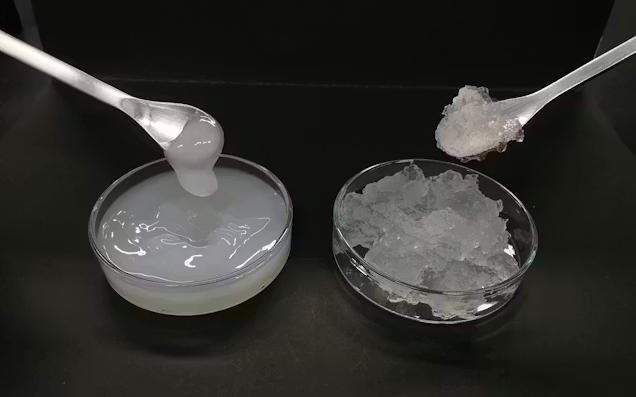
Wedoany.com Report on Feb 9th, A research team from Wageningen University & Research (WUR) has recently developed a new category of material called "composite polymer," a breakthrough that challenges traditional theories in materials science. This amber-colored substance achieves a combination of properties previously thought to be incompatible: it possesses the sturdy, impact-resistant strength of plastic while retaining the processing characteristics of glass, such as easy reshaping and blowing.
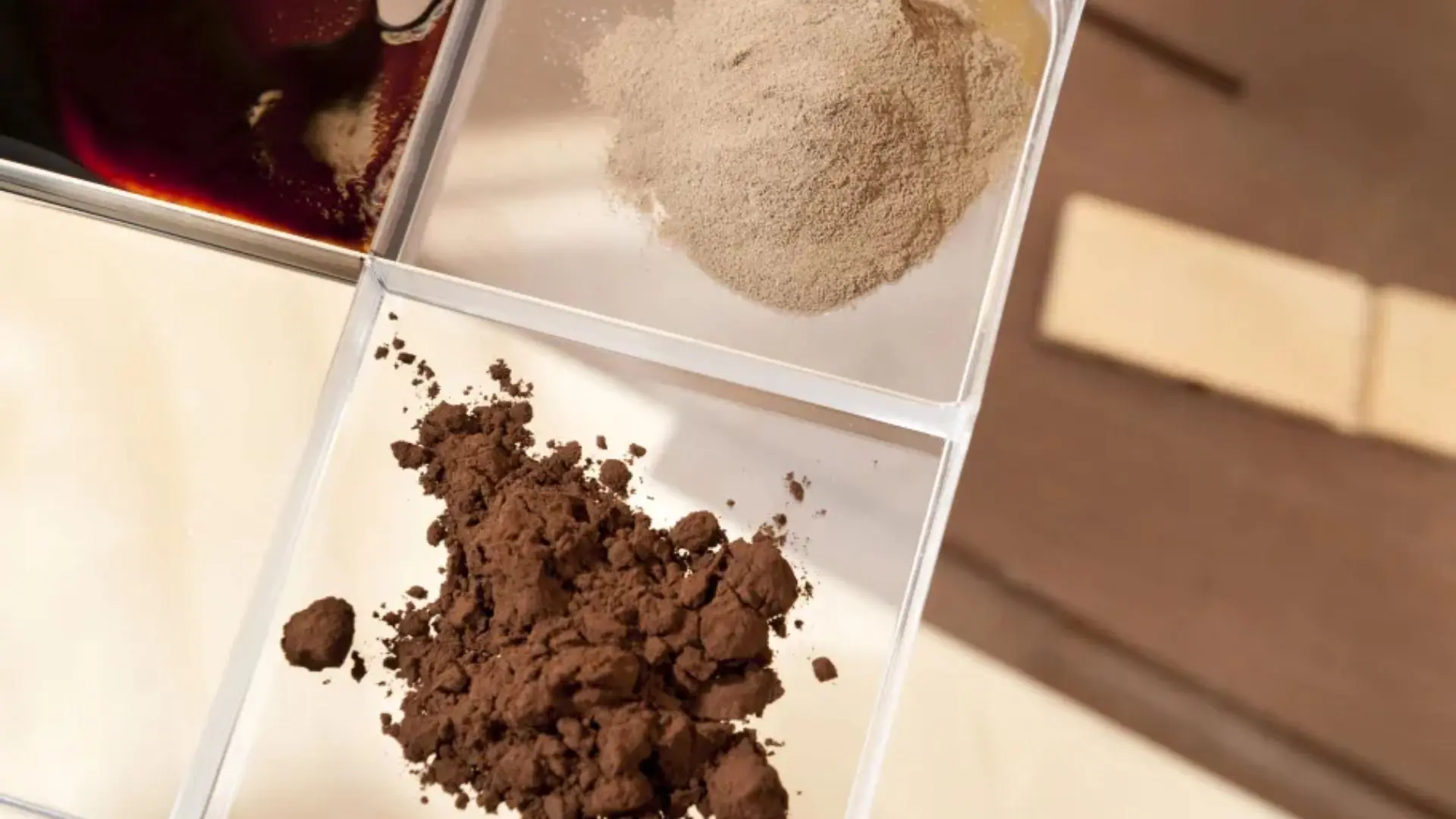
In materials science, "glassy" materials have long followed an empirical rule: materials that melt more slowly and are easier to process are typically more brittle. However, Professor Jasper van der Gucht and his research team have experimentally overturned this understanding. The composite polymer material they developed melts slowly enough to allow for fine shaping, yet is sufficiently tough to bounce off the ground without breaking.
The key to this breakthrough lies in the bonding mechanism at the molecular level. Traditional plastics rely on chemical cross-links as permanent adhesives to connect long molecular chains, whereas composite polymers utilize physical attractive forces for bonding. In this new structure, half of the molecular chains carry a positive charge, while the other half carry a negative charge. These opposite charges attract each other like magnets, keeping the molecular chains bonded without the need for chemical fixation.
Since these attractive forces act over longer distances than traditional chemical bonds, they create larger spaces between molecular chains. This "molecular breathing space" gives the material its unique properties, enabling it to be kneaded and blown at high temperatures while maintaining a structure capable of absorbing impacts. Compared to charged materials like ionic liquids, this discovery suggests that charged substances may exhibit new behavioral patterns not yet fully understood by scientists.
Professor van der Gucht stated, "Showing that charged materials can behave completely differently from what we expected is currently the most exciting aspect for me." The practical application prospects for this composite polymer material are broad, particularly in the consumer goods sector. Since the molecular chains are bonded by physical forces rather than permanent chemical bonds, the material inherently possesses self-healing properties. For example, if a roof tile or outdoor furniture made of composite polymer develops a crack, it might only require heating the cracked area with a hairdryer and applying pressure to allow the molecules to reconnect.
Although the current version of the composite polymer is still produced using fossil-based raw materials, the research team has already begun planning a more sustainable direction. Senior Researcher in Sustainable Plastic Technology, Wouter Post, pointed out that this work provides new ideas for developing plastics that are easier to repair or even biodegradable. Post concluded, "Most applied research focuses on improving recycling technologies, whereas this work opens a path for developing plastics that are easy to repair and can biodegrade quickly." Professor van der Gucht is currently prioritizing research on a bio-based version, hoping this scientific advancement will contribute to the global transition toward sustainable materials.
Related Products

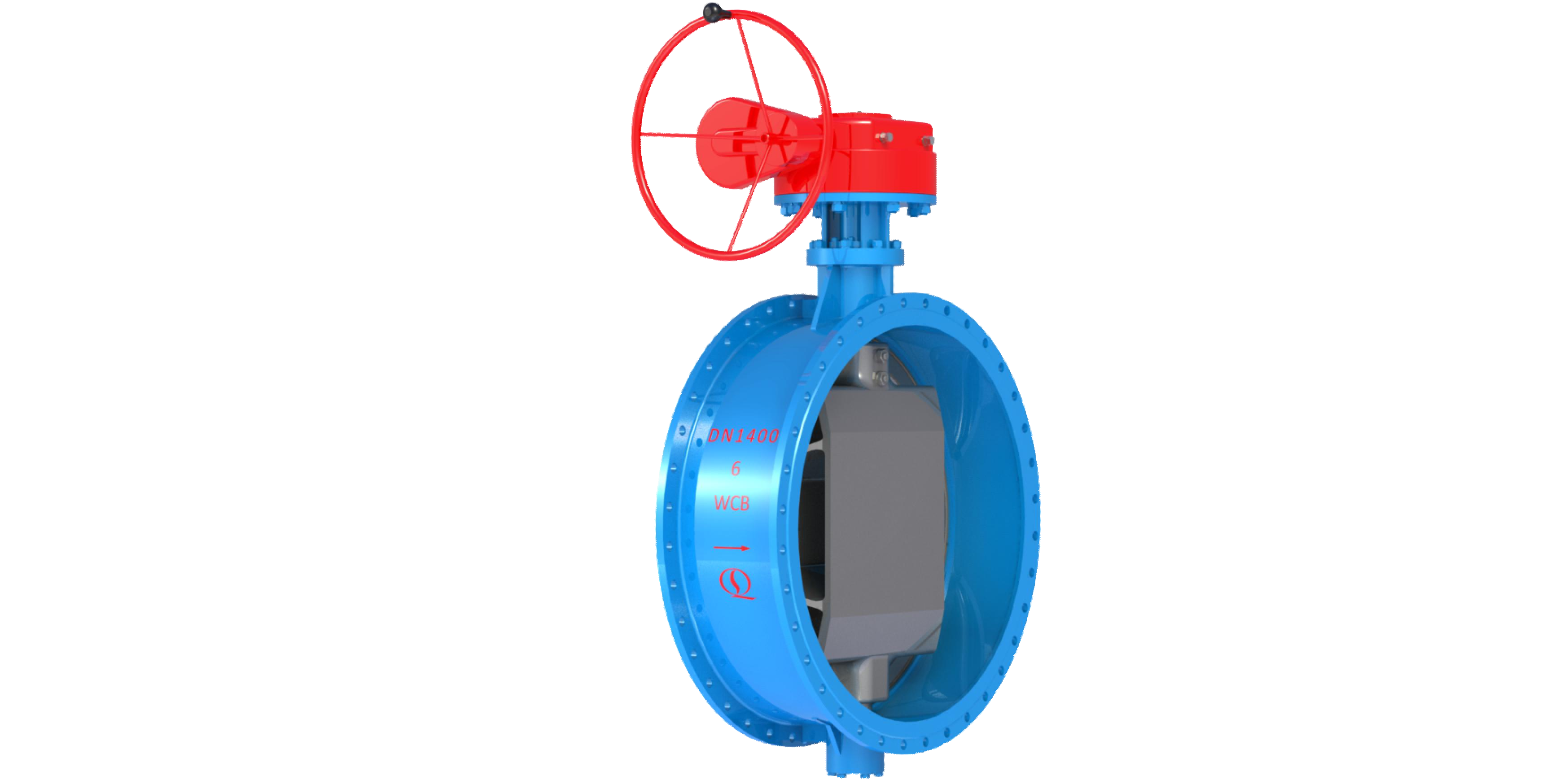
Bidirectional Metal Hard Sealed Seawater Butterfly Valve
Henan Quanshun Flow Control Science & Technology Co., Ltd.
CAP1400 main feedwater flow nozzle flowmeter.
Jiangsu Hongda Instrument Technology Co., LTD.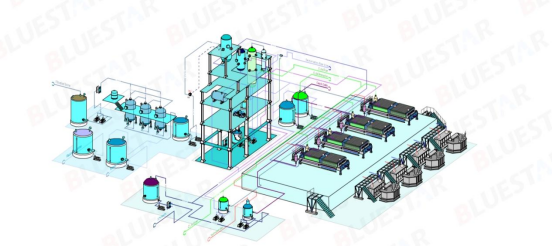
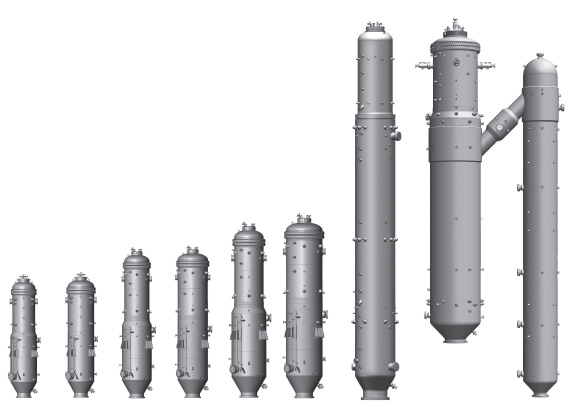
Gasification Furnace Series: Freely Combinable Aerospace Furnace
CHANGZHENG ENGLINEERING CO., LTD.