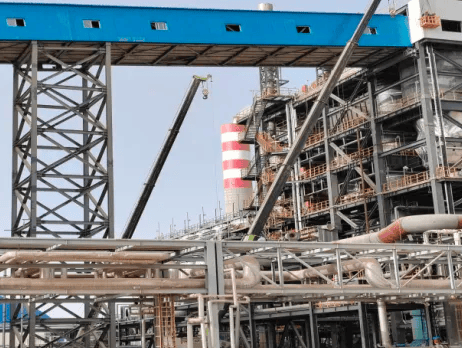
The Texas Attorney General's office recently filed a lawsuit against Dow Chemical Company, alleging hundreds of water pollution violations at its industrial complex in Seadrift. The lawsuit states that since 2020, Dow and its subsidiaries Union Carbide and Brazilian petrochemical manufacturer Braskem have repeatedly violated state regulations regarding wastewater discharge, including unauthorized waste discharges and solid waste disposal.
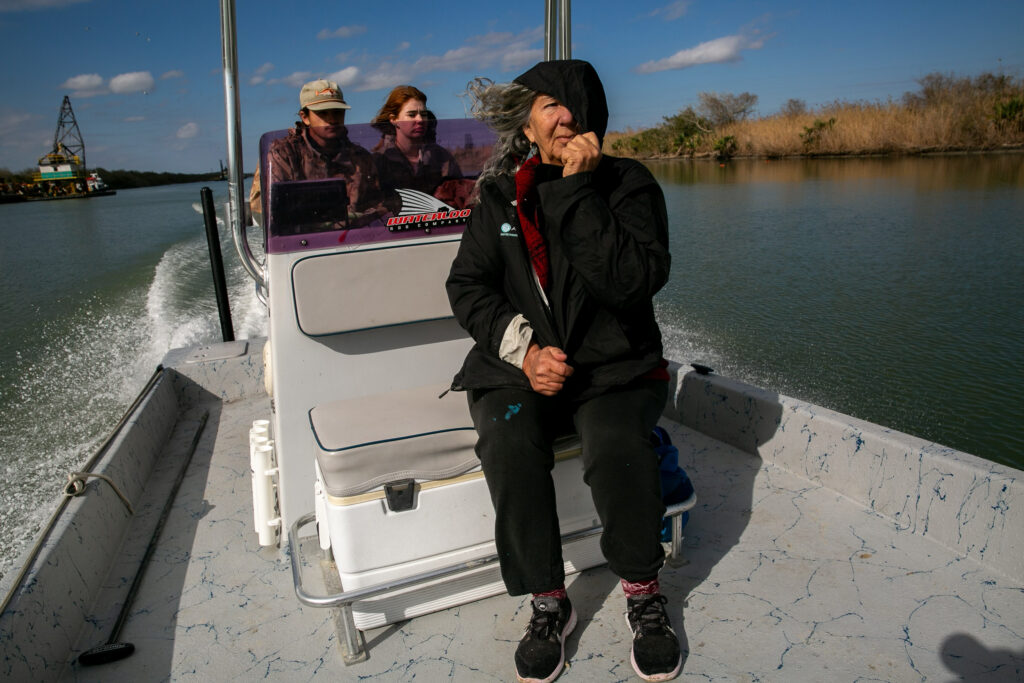
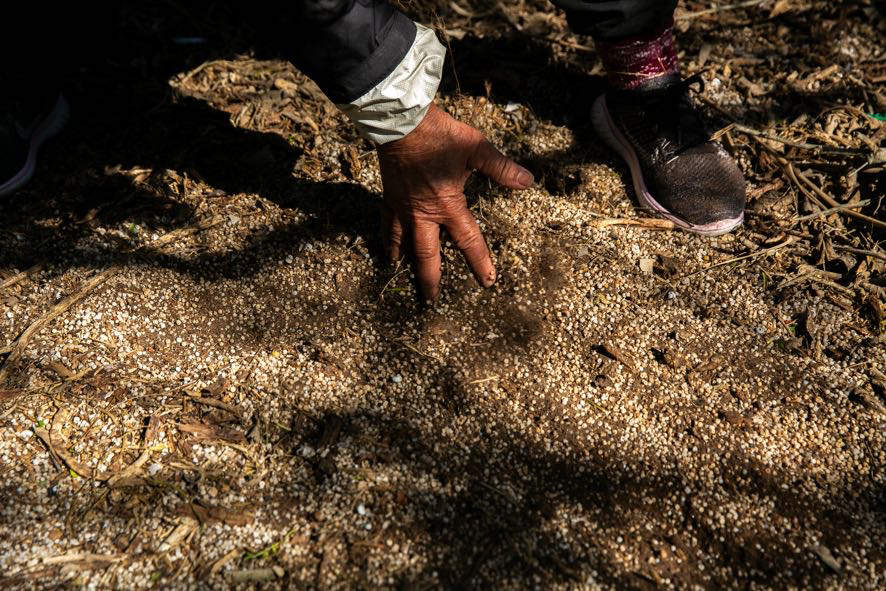
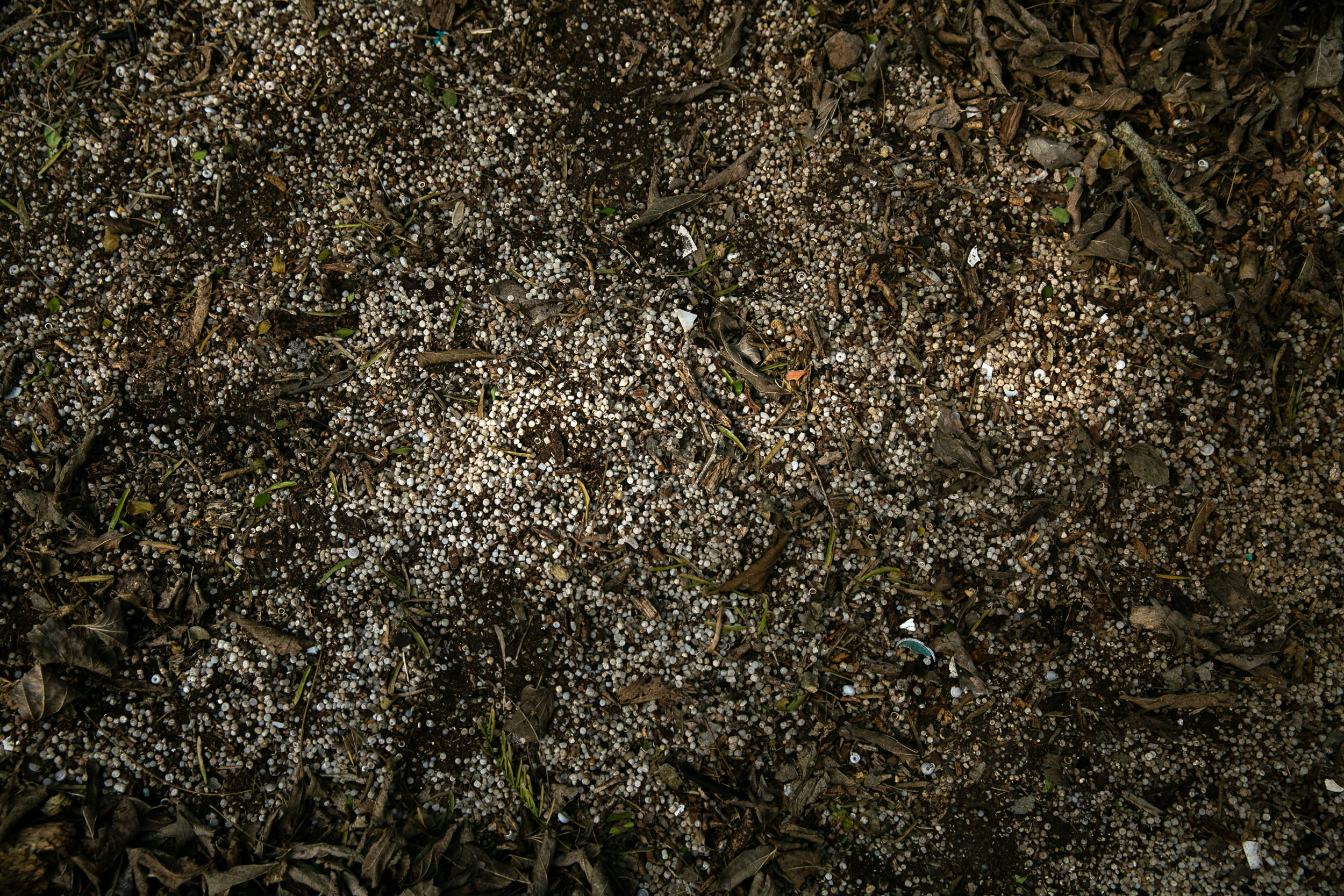
Local environmentalist Diane Wilson criticized the lawsuit as a "sweetheart deal with the industry," believing it is weaker than the lawsuit citizen groups plan to file under the Clean Water Act. Wilson said, "This is much weaker than the lawsuit we plan in terms of compliance and addressing decades of plastic pollution from this facility." Her organization collected evidence of Dow's long-term discharge of plastic pellets, which are found everywhere along the Victoria Barge Canal.
The Clean Water Act allows citizens to file lawsuits when regulators fail to act, but state government action may block citizen suits. Josh Kratka, an attorney with the National Environmental Law Center, pointed out, "If the state files its own lawsuit, citizens are legally barred from filing their own, unless the state fails to diligently prosecute." He called this a common strategy in Texas and elsewhere to limit citizen lawsuits.
Mary Greene, Enforcement Director of the Environmental Integrity Project, stated that her organization will "continue to actively participate in this case to ensure the Texas Commission on Environmental Quality fulfills its duties and demands real and substantial improvements from the plant to permanently stop the dumping of plastic waste." Previously, Wilson had sued Formosa Plastics over similar issues, reaching a settlement in 2019 involving over $100 million in fines and cleanup measures.
The Dow Seadrift complex covers 4,700 acres and produces plastics and chemicals. The state lawsuit alleges that the facility had 37 days of unauthorized plastic pellet discharges between 2020 and 2021, with investigators finding pellets floating or deposited in the canal in January 2026. The lawsuit also lists over 100 violations, including exceedances of bacterial levels, acidity, and chemical substances, such as the discharge of 3,600 gallons of waste into the Victoria Barge Canal in 2021.
The lawsuit demands that Dow immediately cease unauthorized discharges and clean up all solid waste, including plastic pellets, within 60 days. The company must also commission an independent audit of its wastewater management practices and submit a report to regulators. This case highlights Texas's legal action on wastewater violations and the interaction between citizen groups and the state government.