Bali is actively taking steps to strengthen climate action by transforming greenhouse gas emission data into practical planning for low-carbon development, marking a shift from mere reporting to evidence-based policymaking.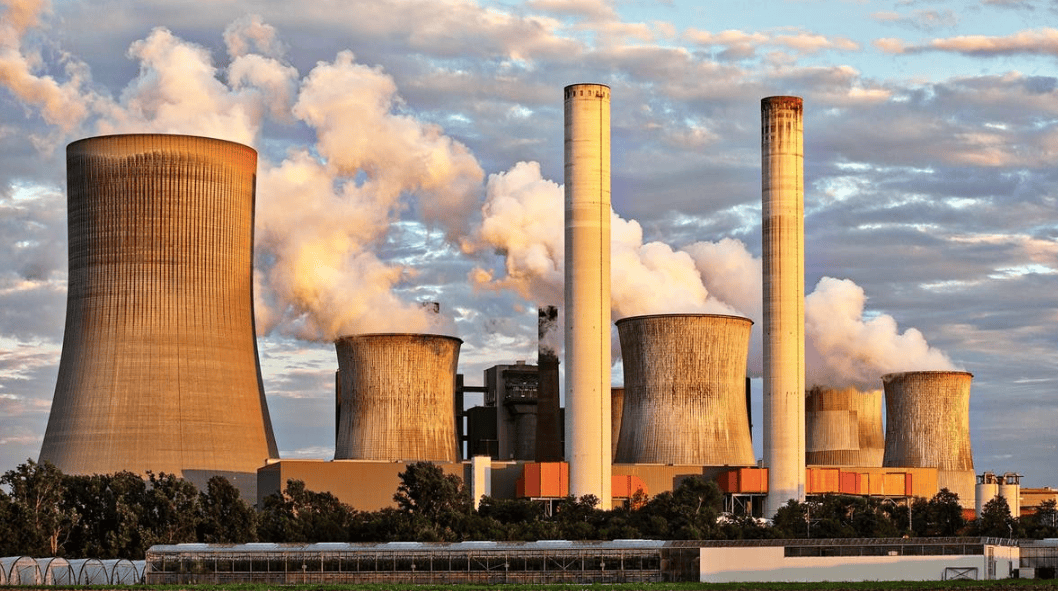
This initiative reflects Indonesia's broader commitment to reducing greenhouse gas emissions. Officials state that this relies on credible, accurate, and verifiable data. Mita Ratna Juwita, Director of Greenhouse Gas Inventory and Monitoring, Reporting, and Verification at Indonesia's Ministry of Environment and Forestry, noted, "Emission inventories are a crucial foundation for green development."
She added that greenhouse gas inventories are not only an administrative requirement but also a vital tool for assessing whether Indonesia is on a sustainable, low-emission path. Reliable data helps make more informed decisions at both provincial and national levels, ensuring climate mitigation policies are based on quantifiable evidence.
Beyond emission accounting, Bali also focuses on waste management as a core part of its emission reduction strategy. The expansion of tourism and urbanization has made landfill management a key challenge, particularly in curbing methane emissions, one of the major contributors to global warming.
Authorities have highlighted initiatives to shift from open dumping to controlled landfills, optimize leachate management, and utilize landfill gas as a potential renewable energy source. These methods are expected to effectively suppress methane emissions while promoting cleaner energy use.
Bali's climate action is enhanced through collaboration between the Provincial Forestry and Environment Office and the Bali-Nusa Tenggara Environmental Control Center under the KLH/BPLH. This collaboration aims to improve technical capacity, data collection systems, and reporting mechanisms to align with Indonesia's commitments under the Paris Agreement.
At the provincial level, the Bali Provincial Environment and Forestry Office has strengthened capacity building for its greenhouse gas inventory team and promoted the use of the SIGNSMART digital application to ensure data accuracy and consistency.
Ida Bagus Kadek Wirane Negara, Head of the Division for Waste, Hazardous Waste, Pollution Control, and Environmental Damage Management, explained that the annual inventory process runs from February to September, covering data input, monitoring, reporting, and evaluation stages.
In 2025, five out of Bali's nine regencies and cities—Denpasar City, Buleleng, Gianyar, Jembrana, and Tabanan—have completed their greenhouse gas inventory reports, with the remaining four still in progress.
With increased local government engagement and continuous improvements in waste management practices, Bali aims not only to help Indonesia achieve its climate goals but also to serve as a national model for data-driven climate action.