
A study from the University of Bristol has brought a new breakthrough to the field of soft robotics. The research findings were presented at the 2025 IEEE 8th International Conference on Soft Robotics (RoboSoft), showing that rice paper (edible rice wrappers) commonly used in Vietnamese spring rolls has material properties similar to the silicone materials most widely used in soft robotics. It is biodegradable, non-toxic, and suitable for soft robot prototyping, dissemination, and single-use applications.
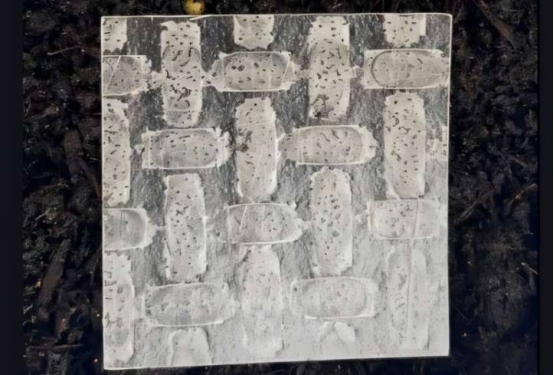
Lead author Christine Braganza from the University of Bristol's Faculty of Science and Engineering noted that soft robotics technology is developing rapidly, typically using soft materials like silicone elastomers to create more flexible and adaptable robots. However, silicone generates long-term waste and is not environmentally friendly.
To explore sustainable materials, the researchers conducted a series of experiments comparing rice paper sustainably extracted from rice (Oryza sativa L.) and cassava roots (Manihot esculenta) with silicone. They measured the rice paper's strength, flexibility, and ability to safely decompose without harming the environment. The experimental results indicated that rice paper has mechanical properties comparable to the silicone commonly used in soft robotics, while also offering the advantage of rapid decomposition without requiring high temperatures or humidity.
This discovery is significant, not only holding potential in culinary or agricultural applications but also creating new sustainable standards for soft robot prototyping. It also accelerates public engagement with soft robotics.
Currently, the team is working on developing soft robots made entirely from biodegradable materials for seeding in hard-to-reach areas. Next, they will research and produce compostable fuel systems and biodegradable control mechanisms, advancing robots from the lab to natural environments.
Braganza concluded that this study enables ordinary people to experiment, create, and innovate with soft robotics in a sustainable way at home. It also provides researchers with new prototyping methods, showing broad prospects in agriculture and reforestation applications, such as reseeding in inaccessible areas.