
On July 22, the Korea Institute of Civil Engineering and Building Technology (KICT) announced the development of an IoT-based cable monitoring system capable of self-diagnosing bridge safety.
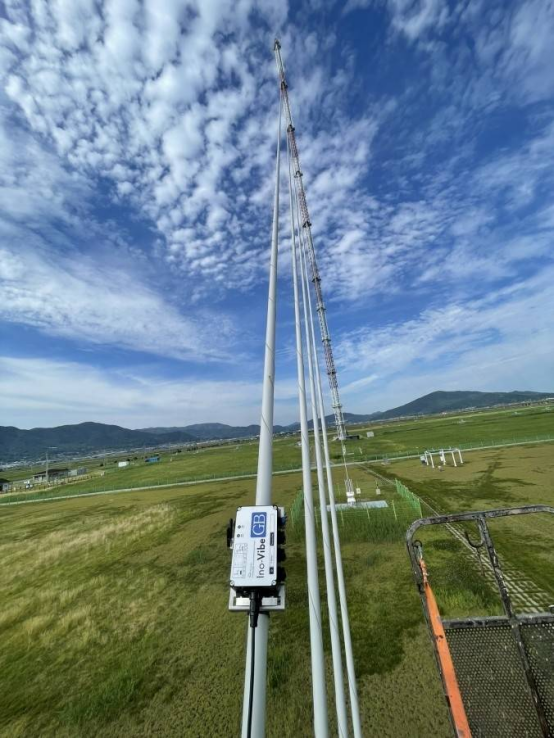
Cable-stayed bridges are typical cable-supported structures, where precise monitoring of cable tension is key to safety management. However, existing cable measurement systems have drawbacks: after connecting sensors and recorders (data acquisition devices), protective conduits must be installed for the cables. Although IoT sensors have emerged, most only offer basic data transmission and device control functions, processing large volumes of data in a centralized manner without fully leveraging the core distributed processing advantages of IoT.
To address this, the Institute of Architectural Science has developed an autonomous cable monitoring system. The system automatically detects abnormal signals in bridge cables and analyzes cable conditions to predict issues. By analyzing data collected from sensors, it wirelessly transmits only meaningful information, reducing power consumption while enabling communication without separate wireless infrastructure.
The Institute reported that the system was applied as a pilot project last year to cables on two Olympic Bridges managed by Seoul City, achieving an average error rate of 0.5%—higher precision compared to existing wired measurement systems.
KICT President Park Sun-kyu stated that this technology is an effective facility safety management method even in environments requiring real-time, large-scale data processing. The institute will continue research and development to ensure reliable safety management of various social infrastructure facilities.