Wedoany.com Report on Mar 4th, In the maintenance and assembly of vibration motors, bearings, as the core transmission components, have their installation quality directly impacting the operational stability and service life of the equipment. Many on-site failures stem from operational errors during the installation process, rather than issues with the bearing quality itself. This article will address two common misconceptions in vibration motor bearing installation and provide scientifically standardized coping strategies.
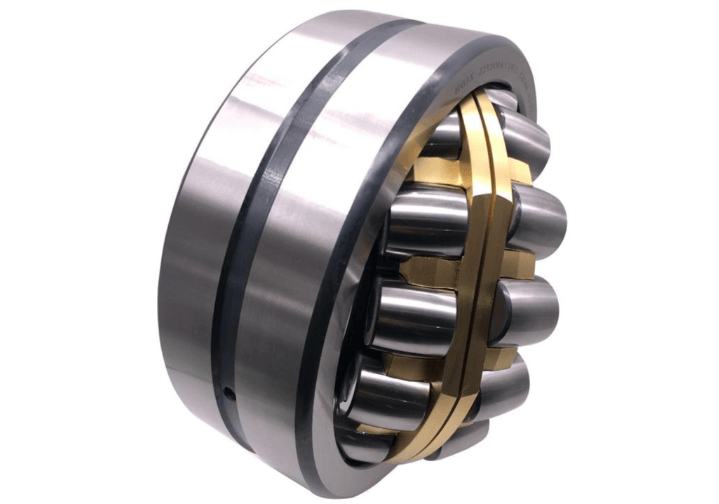
The first misconception is improper lubrication. The operating conditions of vibration motors are special, with frequent impacts and high loads placing higher demands on lubrication. Common mistakes include using ordinary lithium-based grease or grease containing molybdenum disulfide, as well as neglecting the accelerated consumption in vibration environments. The correct method is to select a specialized grease containing EP (Extreme Pressure) additives to enhance oil film strength and prevent direct metal-to-metal contact. It is essential to strictly follow the calculation formulas provided by the bearing manufacturer, considering speed, load, and ambient temperature to shorten the grease replenishment intervals. The use of molybdenum disulfide-based greases is strictly prohibited, especially under high-speed operating conditions, as such greases can easily cause a sharp temperature rise due to frictional heat, leading to premature bearing failure. For example, a fan at a cement plant experienced bearing overheating and seizing after only 3 months of operation due to the misuse of molybdenum disulfide grease, resulting in a production line shutdown loss exceeding one hundred thousand yuan.
The second misconception is improper fit. The fit relationship between the bearing and the shaft, as well as between the bearing and the housing, is a critical control point during installation. Common mistakes include using a clearance fit for convenience, leading to inner ring slippage and outer ring creep during operation; or blindly pursuing an "interference fit" without considering material expansion due to temperature rise, ultimately resulting in clearance loss or even jamming. Standardized operation requires that appropriate interference fits be applied between the shaft and the bearing inner ring, and between the housing and the bearing outer ring, to ensure stable torque transmission. Before installation, it is necessary to predict the thermal expansion based on the operating temperature range and reasonably reserve the initial clearance. It is recommended to use the heating method for installing the inner ring to avoid damaging the raceway by hammering; the outer ring should preferably be installed by pressing to maintain coaxiality. For example, a vibrating screen at a mineral processing plant experienced severe bearing housing wear within just two weeks due to an excessively loose fit of the bearing outer ring, which caused relative rotation during operation, forcing the replacement of the entire assembly.
The installation of vibration motor bearings requires a rigorous attitude and professional knowledge support. Correctly performing vibration motor bearing installation, including selecting specialized grease and ensuring proper fits, can effectively extend the equipment's service life. It is recommended that frontline maintenance personnel receive regular specialized training and establish standardized operating procedures to eliminate human-caused failures at the source.